The Ultimate Guide to Men's Health
January 1, 2026
Medically reviewed by Anthony Valiente, FNP-BC & Jose Moran, FNP-C
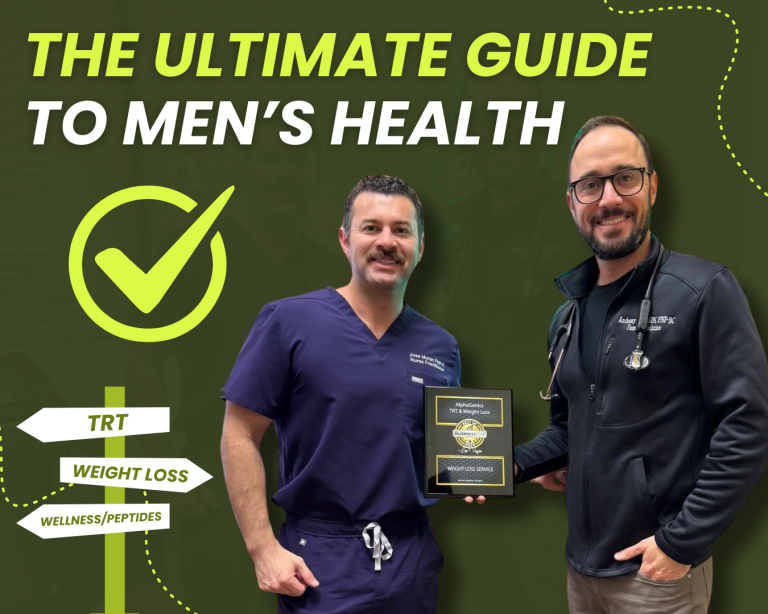
TRT and Weight Loss Las Vegas
Alphagenics in Las Vegas is a premier wellness clinic dedicated to helping men and women optimize their health, performance, and overall quality of life. Specializing in hormone replacement therapy in Las Vegas, Alphagenics provides patients with safe, customized treatment plans designed to restore balance and improve vitality. Whether you’re struggling with fatigue, low energy, weight gain, or decreased focus, their expert medical team takes the time to understand your needs and create a plan that delivers results.
One of the most popular services at Alphagenics is testosterone replacement therapy (TRT) in Las Vegas. Low testosterone can impact strength, energy, mood, and libido, but Alphagenics offers advanced treatment options to help men feel younger, stronger, and more confident. Their clinic uses cutting-edge testing and proven therapies to ensure each patient receives the right dosage and ongoing support for maximum results. By addressing hormone imbalances directly, Alphagenics helps patients reclaim their health and improve day-to-day performance.
In addition to TRT, Alphagenics also provides semaglutide weight loss treatments in Las Vegas, one of the most effective medical weight loss solutions available today. Semaglutide helps control appetite, regulate blood sugar, and support long-term weight management. Under the guidance of the Alphagenics team, patients are able to lose stubborn weight, boost their metabolism, and develop healthier lifestyle habits. This makes Alphagenics a top destination for individuals looking for safe and effective medical weight loss in Las Vegas.
Alphagenics doesn’t just stop at hormone therapy and weight loss. Their clinic also offers peptide therapy, vitamin injections, and IV therapy in Las Vegas to support recovery, enhance energy levels, and promote overall wellness. These treatments are ideal for athletes, busy professionals, or anyone looking to feel their best. With a holistic approach to wellness, Alphagenics focuses on restoring balance to the body so patients can thrive physically and mentally.
With a reputation for professionalism, personalized care, and proven results, Alphagenics is a trusted choice for hormone therapy, TRT, and medical weight loss in Las Vegas. Their experienced providers work closely with patients every step of the way, ensuring they feel supported and informed throughout their treatment. If you’re ready to take control of your health, boost your confidence, and experience life at your best, Alphagenics in Las Vegas has the solutions you’ve been looking for.
Alphagenics Services in Las Vegas
At Alphagenics in Las Vegas, we specialize in advanced wellness solutions designed to help you look, feel, and perform at your best. Our expert team provides personalized care with proven treatments that deliver real results.
What We Offer:
- Testosterone Replacement Therapy (TRT) in Las Vegas – Restore energy, strength, focus, and confidence with customized hormone therapy.
- Semaglutide Weight Loss in Las Vegas – Safe, effective medical weight loss programs to help you burn fat, control appetite, and improve metabolism.
- Hormone Replacement Therapy for Men & Women – Balance your hormones to fight fatigue, mood swings, weight gain, and more.
- Peptide Therapy – Support recovery, muscle growth, and anti-aging with advanced peptide treatments.
- Vitamin Injections & IV Therapy in Las Vegas – Boost immunity, hydration, and overall wellness with fast-acting nutrient support.
Why Choose Alphagenics?
- Experienced medical providers who care about your success
- Customized treatment plans based on your unique needs
- Safe, effective therapies with proven results
- Convenient Las Vegas location with professional support
When is the best time to work out during the day?
the “best” time to work out really depends on your goals, schedule, and body’s natural rhythm, but here’s how the different times of day affect performance:
Morning Workouts
Best for: Consistency, fat-burning, and energy for the day.
- Boosts metabolism early.
- Improves mood and focus throughout the day.
- Easier to stay consistent (fewer schedule conflicts).
- Some studies suggest slightly more fat is burned when training before breakfast (fasted cardio).
Downside: Muscles and joints may feel stiffer, strength levels can be lower.
Midday / Afternoon Workouts
Best for: Performance, strength, and muscle building.
- Body temperature is higher → muscles are looser, less injury risk.
- Reaction time, strength, and endurance tend to peak.
- Great way to break up the workday and reduce stress.
Downside: Harder to fit in if you work traditional hours.
Evening Workouts
Best for: Stress relief, endurance, and strength training.
- Strength and performance are often at their highest.
- Great for stress relief after work/school.
- Can help you sleep better (as long as it’s not right before bed — some people get too energized).
Downside: Gyms are often busiest in the evening.
Bottom line:
- If your goal is consistency & weight loss → mornings often work best.
- If your goal is strength, muscle, and performance → afternoons or evenings may give you an edge.
- The best time is ultimately the time you’ll stick with regularly.
Take Control of Your Weight!
What an amazing transformation in such a short amount of time and she’s not done yet! Whether you’ve tried everything and have no where else to turn or you’re just starting your weight loss journey, contact us today!
- Starting weight 267lbs
- Current weight 202lbs
- Started on Jan 24, 2025
If you’re struggling with your weight, it’s time to call AlphaGenics today!
Take your life back
(702) 912-0508
Ideal Heart Rate Based On Age
Your ideal workout heart rate depends on your age and the intensity level you’re aiming for. Exercise science usually refers to this as your Target Heart Rate (THR) Zone, which is based on a percentage of your maximum heart rate (MHR).
Maximum Heart Rate (MHR) ≈ 220 – age
- Moderate intensity = 50–70% of MHR
- Vigorous intensity = 70–85% of MHR
Target Heart Rate by Age (Beats Per Minute, bpm)
Target Workout Heart Rates by Age
- Age 20 → Max Heart Rate: 200 bpm
- Moderate intensity: 100–140 bpm
- Vigorous intensity: 140–170 bpm
- Age 30 → Max Heart Rate: 190 bpm
- Moderate intensity: 95–133 bpm
- Vigorous intensity: 133–162 bpm
- Age 40 → Max Heart Rate: 180 bpm
- Moderate intensity: 90–126 bpm
- Vigorous intensity: 126–153 bpm
- Age 50 → Max Heart Rate: 170 bpm
- Moderate intensity: 85–119 bpm
- Vigorous intensity: 119–145 bpm
- Age 60 → Max Heart Rate: 160 bpm
- Moderate intensity: 80–112 bpm
- Vigorous intensity: 112–136 bpm
- Age 70 → Max Heart Rate: 150 bpm
- Moderate intensity: 75–105 bpm
- Vigorous intensity: 105–128 bpm
How to Use This:
- Warm-up: Stay below 50% of MHR.
- Fat burning / endurance zone: Stick to the moderate zone (50–70%).
- Cardio fitness / performance: Train in the vigorous zone (70–85%).
- Maximum effort (advanced athletes only): 85–95% of MHR.
If you’re new to exercise, on medication (like beta-blockers), or have heart concerns, always check with a doctor before pushing into higher zones.
Disclaimer- Articles are for information purposes only and not intended to treat any medical conditions. Discuss health questions/concerns with your healthcare provider.
Do You Still Have To Workout While Taking TRT?
Yes — you definitely still need to work out while taking TRT (testosterone replacement therapy) if your goal is to see the best results. TRT helps restore testosterone to normal levels, but it’s not a magic fix on its own. Here’s why:
- Muscle growth & strength
- Testosterone supports protein synthesis, which helps muscles repair and grow.
- Without resistance training (weights, bodyweight, bands), you won’t fully take advantage of this benefit.
- Exercise + TRT = increased muscle mass and strength gains compared to TRT alone.
- Fat loss & metabolism
- Testosterone can improve fat distribution, but regular exercise (especially strength training + cardio) is what really burns calories and reduces body fat.
- People on TRT who don’t work out may not see much change in body composition.
- Heart & overall health
- Exercise keeps your heart, lungs, and metabolism healthy — areas where TRT alone doesn’t do much.
- Combining the two reduces risks of weight gain, insulin resistance, and cardiovascular issues.
- Mental health & energy
- TRT can boost mood and motivation, but physical activity further improves confidence, energy, and mental clarity.
In short: TRT gives you the hormonal support, but working out is what turns that support into real physical results.
Disclaimer- Articles are for information purposes only and not intended to treat any medical conditions. Discuss health questions/concerns with your healthcare provider.
Is Semaglutide Safe To Use For Weight Loss?
Is Semaglutide Safe To Use For Weight Loss?
Yes — semaglutide (Wegovy) is FDA-approved as a prescription weight-loss medication and is considered safe for most people when used under medical supervision. It’s one of the most effective anti-obesity drugs available right now.
That said, “safe” doesn’t mean free of risks. Here’s what’s important to know:
Why it’s safe for many people:
- It’s been through large clinical trials showing significant weight loss (around 15% of body weight on average over ~68 weeks).
- It also improves blood sugar, blood pressure, and cholesterol, which lowers overall health risks tied to obesity.
- It’s approved specifically for adults with obesity (BMI ≥30) or those who are overweight (BMI ≥27) with at least one weight-related condition (like diabetes, high blood pressure, or sleep apnea).
Potential side effects and risks:
- Common: nausea, vomiting, diarrhea, constipation, abdominal discomfort — usually worse at the beginning and improve with time/dose adjustment.
- Serious (less common): pancreatitis, gallbladder issues, kidney injury (from dehydration due to GI side effects).
- Warning: animal studies showed an increased risk of a specific type of thyroid tumor (medullary thyroid carcinoma), but this hasn’t been proven in humans. Still, it’s not recommended if you or close family have a history of that cancer or MEN2 syndrome.
Other considerations:
- You’ll usually need to keep taking it long term to maintain the weight loss; stopping often leads to regaining weight.
- It should be combined with diet and activity changes for best results.
- It’s not recommended during pregnancy or breastfeeding.
In short: yes, semaglutide is safe for weight loss in the right patients — but it does need monitoring by a healthcare provider to manage side effects and ensure it’s appropriate for your health history.
Disclaimer- Articles are for information purposes only and not intended to treat any medical conditions. Discuss health questions/concerns with your healthcare provider.
What is Tirzepatide?
Tirzepatide is now officially approved in the U.S. as a weight loss drug under the brand name Zepbound (approved by the FDA in late 2023).
It was originally developed and approved as Mounjaro for type 2 diabetes, but because so many patients experienced significant weight loss during trials, it went through additional studies focused specifically on obesity. In those studies, people without diabetes lost on average about 15–22% of their body weight over 72 weeks when paired with diet and exercise.
Doctors can prescribe it for:
- Adults with obesity (BMI ≥30)
- Adults who are overweight (BMI ≥27) and have at least one weight-related health condition, like high blood pressure, high cholesterol, or type 2 diabetes
- It works by slowing digestion, reducing hunger signals, and helping you feel full on less food — but it’s meant for long-term use. If you stop taking it, appetite and weight often rebound.
Here’s a clear side-by-side breakdown of tirzepatide (Zepbound/Mounjaro) vs. semaglutide (Wegovy/Ozempic) without putting it into a chart.
How they work:
- Tirzepatide activates two hormone receptors — GLP-1 and GIP — which together help control blood sugar, slow digestion, and strongly reduce appetite.
- Semaglutide activates only GLP-1 receptors, which also reduces appetite and slows digestion, but without the GIP component.
Weight loss results in studies:
- Tirzepatide typically shows slightly higher average weight loss than semaglutide in head-to-head trials. In some large studies, tirzepatide users lost around 20–22% of body weight over 72 weeks, while semaglutide users lost about 15% in a similar timeframe.
- Both are effective, but tirzepatide tends to act a bit faster in the first few months.
Side effects:
- Both can cause nausea, vomiting, diarrhea, constipation, and reduced appetite — especially when starting or increasing the dose.
- Tirzepatide sometimes causes slightly more mild GI discomfort early on, but semaglutide may be more likely to cause prolonged nausea in sensitive patients.
- Both have rare risks like pancreatitis, gallbladder problems, and potential thyroid C-cell tumors (seen in animal studies).
Other differences:
Approval: Semaglutide (Wegovy) has been FDA-approved for weight loss since 2021; tirzepatide (Zepbound) was approved in 2023.
Cost & availability: Both are expensive without insurance (often $1,000+ per month in the U.S.), and shortages have been common.
- Diabetes effect: Both help with blood sugar control, but tirzepatide may have a stronger impact in people with type 2 diabetes because of the added GIP action.
Disclaimer- Articles are for information purposes only and not intended to treat any medical conditions. Discuss health questions/concerns with your healthcare provider.
What is the difference between HGH and TRT?
What is the difference between HGH and TRT?
HGH (human growth hormone) and TRT (testosterone replacement therapy) are both hormone treatments, but they target very different hormones, work in different ways, and are usually prescribed for different reasons.
HGH (human growth hormone) is made by your pituitary gland and affects almost every tissue in your body. It plays a big role in growth during childhood, and in adults it helps regulate metabolism, repair tissues, maintain muscle and bone, and keep body fat in check. Medically, it’s prescribed for growth hormone deficiency or certain muscle-wasting conditions. When used without a medical reason, it’s usually for recovery, fat loss, or anti-aging purposes — though it comes with risks like joint pain, swelling, insulin resistance, and possibly increased cancer risk.
TRT (testosterone replacement therapy) is about replacing testosterone, the main male sex hormone, when your body isn’t making enough. Testosterone drives libido, energy, mood, muscle growth, bone strength, and certain aspects of mental sharpness. TRT is prescribed for men with low testosterone levels from aging or medical causes. Risks can include acne, increased red blood cell count, prostate growth, and potential cardiovascular effects.
The short version: HGH is a growth and repair hormone affecting the whole body, while TRT is a sex hormone therapy focused on restoring testosterone’s specific effects. They can both influence muscle and fat, but they work through completely different systems in the body.
Key takeaway:
- HGH works more broadly on growth, metabolism, and repair — it’s not a sex hormone.
- TRT is specifically about replacing testosterone to restore normal male hormone levels and related functions.
- They are not interchangeable — someone with low testosterone wouldn’t fix it by taking HGH, and vice versa.
Disclaimer- Articles are for information purposes only and not intended to treat any medical conditions. Discuss health questions/concerns with your healthcare provider.
Semaglutide Injections Las Vegas
If you’re interested in getting semaglutide for weight loss in Las Vegas, AlphaGenics TRT & Weight Loss is a notable option. Here’s what sets them apart:
AlphaGenics: Semaglutide & Tirzepatide Provider—Las Vegas
- Located at 5915 South Rainbow Blvd #105, Las Vegas, AlphaGenics is a clinic specializing in medical weight loss using GLP‑1 medications like semaglutide and tirzepatide, alongside testosterone replacement therapy (TRT) and wellness services.
- They work with licensed medical providers (licensed nurse practitioners) to create personalized treatment plans that include weekly injections, clinic follow-ups, and support. They offer both compounded and, when eligible, name-brand options (like Ozempic/Wegovy or Mounjaro/Zepbound) for an extra $150/month oversight fee.
- AlphaGenics uses local 503A compounding pharmacies (e.g. Quality Compounding Rx of America) for personalized GLP-1 or peptide formulas, while also offering guidance for potential name-brand prescriptions.
What Makes AlphaGenics a Strong Choice
Local, personalized care—the team includes experienced NPs who focus on individualized wellness and weight loss journeys. Their patient testimonials highlight clear communication, compassion, and consistent support.
Transparent pricing—no hidden fees; monthly medical weight loss programs include lab work, consultation, and supervision, though medication costs aren’t covered by insurance or the clinic itself.
Medical oversight, not med spa—they are a nurse-owned medical practice with lab monitoring and dose adjustment protocols, not a spa-only provider.
What to Know Before Going
- Medications may be compounded, which means not FDA-manufactured; while widely used, compounded semaglutide can vary in quality compared to branded versions. Be sure to ask about their pharmacy and quality controls (e.g., lab testing or COAs).
- Insurance is not accepted—you’ll pay out of pocket for medications and services. AlphaGenics charges an admin fee for overseeing name-brand prescriptions but doesn’t cover the drug itself.
Summary
AlphaGenics TRT & Weight Loss is a local, well-reviewed Las Vegas clinic that offers semaglutide and tirzepatide treatment for weight loss under medical supervision. They stand out for their personalized care, consistent patient support, and complementary services like TRT and peptides. If you’re seeking a provider who offers in-person consults, personalized dosing, and a wellness-centered approach, AlphaGenics is a strong option.
Would you like help comparing AlphaGenics with other Vegas providers, understanding compounding vs brand-name options, or preparing questions for your first visit?
(Note: This is not medical advice. Consult a licensed healthcare provider for personal medical guidance.)
What Can The Wrong Dosage of TRT Do To Your Body?
The wrong dosage of Testosterone Replacement Therapy (TRT) — whether too high or too low — can seriously affect your body and long-term health. Getting the dosage right is crucial and should only be done under medical supervision. Here’s what can happen when the dosage is off:
If Your TRT Dosage is Too High:
Increased Red Blood Cell Count (Polycythemia):
Can thicken your blood, raising the risk of blood clots, strokes, or heart attacks.
High Estrogen Levels:
The body may convert excess testosterone into estrogen, leading to:
- Gynecomastia (breast tissue growth)
- Mood swings
- Water retention
Liver Strain:
Especially with oral or improperly compounded testosterone — not as common with injections or gels, but still a risk.
Shrinkage of Testicles:
High levels suppress natural testosterone production, which leads to testicular atrophy.
Infertility:
Suppressed sperm production due to hormone imbalance — sometimes permanent without intervention.
Acne and Oily Skin:
Overproduction of sebum can lead to cystic acne, especially on the back and chest.
Hair Loss:
Accelerates male pattern baldness if you’re genetically prone.
Anger or Aggression (Roid Rage):
Elevated testosterone can lead to mood instability, irritability, or anxiety.
If Your TRT Dosage is Too Low:
No Relief of Low T Symptoms:
Fatigue, low libido, and brain fog may persist or worsen.
Inconsistent Hormone Levels:
Can cause emotional ups and downs, poor sleep, or depressive symptoms.
Muscle Wasting and Fat Gain:
Without adequate testosterone, muscle mass may drop and body fat may increase.
No Improvement in Bone Density:
Low testosterone is linked to osteoporosis if not properly treated.
Safe TRT Guidelines:
Always use doctor-prescribed testosterone.
Bloodwork (CBC, estradiol, PSA, testosterone) should be done every 3–6 months.
Never buy from non-medical sources or adjust your dose on your own.
Work with an endocrinologist or TRT-specialized provider.
Disclaimer- Articles are for information purposes only and not intended to treat any medical conditions. Discuss health questions/concerns with your healthcare provider.
Health Tips To Help You Trim Down
Here are some smart, sustainable health tips for trimming down—whether you’re trying to lose a few pounds or make a long-term lifestyle shift:
10 Top Health Tips for Trimming Down
1. Focus on Whole, Unprocessed Foods
- Prioritize lean proteins, vegetables, fruits, whole grains, and healthy fats
- Cut down on ultra-processed foods, added sugars, and refined carbs
2. Control Portion Sizes
- Use smaller plates
- Stick to one serving at a time
- Learn to recognize hunger vs. boredom or habit eating
3. Don’t Skip Meals (Especially Breakfast)
- Skipping meals can slow metabolism and lead to overeating later
- Aim for balanced meals every 4–5 hours to keep energy steady
4. Drink Plenty of Water
- Often, thirst is mistaken for hunger
- Drinking water before meals can help reduce calorie intake
5. Move Every Day
- Aim for at least 30 minutes of activity: walking, strength training, cycling, or swimming
- Strength training helps preserve lean muscle while burning fat
6. Track Your Progress
- Use a food journal, app (like MyFitnessPal or Cronometer), or simply take photos of your meals
- Tracking helps you stay aware and accountable
7. Limit Liquid Calories
- Avoid sugary drinks, soda, excessive juice, or high-calorie coffee drinks
- Stick to water, herbal teas, or black coffee
8. Get Enough Sleep
- Poor sleep disrupts hunger hormones and cravings
- Aim for 7–9 hours per night for optimal fat-burning and recovery
9. Reduce Stress
- Chronic stress leads to emotional eating and higher cortisol levels
- Try walking, journaling, meditation, or breathing exercises
10. Be Consistent, Not Perfect
- Progress > perfection
- Small, daily habits beat crash diets
- Focus on long-term changes instead of quick fixes
Bonus: Consider Professional Guidance
A nutritionist, trainer, or doctor can personalize your plan
- Tools like semaglutide or TRT (if prescribed) can help support your journey—but only under medical supervision
Disclaimer- Articles are for information purposes only and not intended to treat any medical conditions. Discuss health questions/concerns with your healthcare provider.
Does Semaglutide Help People Lose Weight?
Yes, many people do lose weight using semaglutide — and in many cases, quite significantly.
What Is Semaglutide?
Semaglutide is a medication originally developed for type 2 diabetes (brand names include Ozempic and Rybelsus), but it’s also approved for weight loss under names like Wegovy. It’s a GLP-1 receptor agonist, meaning it mimics a natural gut hormone that:
- Reduces appetite
- Slows digestion
- Increases feelings of fullness
How Much Weight Do People Lose?
Clinical trials and real-world use have shown:
- People taking Wegovy lost on average 15–20% of their body weight over 12–18 months
- Some lost even more with combined lifestyle changes (diet + exercise)
Why It Works
Semaglutide helps with weight loss by:
Reducing hunger
Delaying stomach emptying, so you feel full longer
Acting on brain centers involved in appetite regulation
Who It’s For
Semaglutide is typically prescribed for:
People with a BMI of 30 or higher, or
A BMI of 27+ with weight-related health issues (like high blood pressure, cholesterol, or type 2 diabetes)
Things to Know
- Common side effects: nausea, constipation, diarrhea, fatigue
- Not a magic pill: It’s most effective when paired with healthy eating and exercise
- Weight can return if the drug is stopped and lifestyle changes aren’t maintained
- It must be prescribed by a doctor and used under medical supervision
Bottom line:
Yes, semaglutide can help people lose a substantial amount of weight, and it’s currently one of the most effective prescription options available. But it works best when paired with long-term lifestyle changes and guided by a healthcare provider.
Disclaimer- Articles are for information purposes only and not intended to treat any medical conditions. Discuss health questions/concerns with your healthcare provider.
You should never take TRT from a friend!
You should never take TRT (testosterone replacement therapy) from a friend — and here’s exactly why:
1. You don’t know what your body actually needs
TRT is medical treatment, not a fitness shortcut.
- Without proper bloodwork, you might not even have low testosterone — taking it without a need can throw your hormones out of balance.
- Too much testosterone can cause serious issues: acne, aggression, infertility, heart strain, or stroke risk.
2. No medical oversight = dangerous health risks
Doctors monitor:
Hematocrit (blood thickness)
- Estrogen levels (which can increase on TRT)
- Liver function
- Prostate health (via PSA tests)
- Without this, you’re flying blind — and serious complications could sneak up on you.
3. It’s illegal and unsafe
- Taking someone else’s prescribed medication is a federal crime in the U.S.
- You could face legal trouble — and your friend could too for giving it to you.
- There’s also a risk of contamination or tampering if it’s not stored or handled correctly.
4. Dosing isn’t one-size-fits-all
- Your friend’s dose may be too high or too low for your body.
- Incorrect dosing leads to mood swings, hair loss, testicle shrinkage, or estrogen spikes.
- You might not even get the benefits you’re expecting — just side effects.
The Right Way:
If you think you might benefit from TRT:
See a qualified doctor or endocrinologist
- Get bloodwork done (multiple readings over time)
- Use a pharmacy-grade prescription, with regular monitoring
- Taking TRT the wrong way is like driving a race car with your eyes closed — fast, dangerous, and likely to crash.
Safe, legal, doctor-guided TRT can change lives — but DIY testosterone use can wreck yours.
Disclaimer- Articles are for information purposes only and not intended to treat any medical conditions. Discuss health questions/concerns with your healthcare provider.
Do you still have to workout while taking TRT?
Yes — you should absolutely still work out when you’re on TRT (Testosterone Replacement Therapy). In fact, exercise and TRT work best together. Here’s why:
1. TRT Enhances Results — It Doesn’t Replace the Work
TRT can improve your ability to build muscle, burn fat, and recover faster, but only if you’re exercising.
Without working out, you may not see the full benefits — and could even gain fat instead of muscle.
2. Testosterone Needs Stimulation
Resistance training and cardio help activate testosterone receptors in muscles, making TRT more effective.
Working out keeps your body metabolizing testosterone the way it’s supposed to.
3. Mood, Energy & Mental Health
Exercise boosts dopamine, serotonin, and endorphins, which improve mental clarity and mood — key areas TRT also targets.
When paired with a good workout routine, most men on TRT report better focus, motivation, and confidence.
4. Avoiding Side Effects
Without exercise, TRT can sometimes lead to:
- Increased fat storage, especially visceral fat
- Higher risk of cardiovascular strain
- Water retention or gynecomastia (man boobs)
Regular strength and cardio workouts help prevent these outcomes.
Bottom Line:
TRT can optimize your results, but it’s not a shortcut. You’ll get the best benefits — physically and mentally — when you combine it with:
Resistance training (3–5x/week)
Cardio (2–3x/week)
Smart nutrition
Sleep and stress management
Disclaimer- Articles are for information purposes only and not intended to treat any medical conditions. Discuss health questions/concerns with your healthcare provider.
Does TRT Shrink Your Testicles?
Yes — TRT (testosterone replacement therapy) can cause testicular shrinkage in many men. Here’s why:
*How TRT Affects the Testicles
When you take external testosterone, your brain (specifically the hypothalamus and pituitary gland) senses that your blood testosterone is already high. As a result, your body reduces its own testosterone production, which means the testicles stop getting the signal to make testosterone naturally.
Because the testicles aren’t working to produce testosterone anymore, they often shrink — this is called testicular atrophy. The degree of shrinkage varies from mild to moderate for most men, depending on how long they’re on TRT and the dosage.
*Key Points to Remember
Testicular shrinkage is a common and expected side effect of TRT
It does not generally affect penis size
It does not necessarily impact sexual performance while on TRT
Using hCG under medical supervision can help preserve testicular size
Does TRT affect penis size?
Testicles may shrink on TRT (called testicular atrophy), because your body stops signaling them to produce testosterone.
Penis size stays the same — TRT doesn’t change penis length or girth, because penile tissue does not rely on local testosterone production in the same way testicles do.
In most cases, men on TRT actually report improved erectile function, libido, and performance if they were experiencing low testosterone symptoms beforehand.
In short:
- TRT may reduce testicle size
- TRT does not shrink your penis
Disclaimer- Articles are for information purposes only and not intended to treat any medical conditions. Discuss health questions/concerns with your healthcare provider.
Why Am I Not Losing Weight?
Why don’t people lose weight, even when they think they should? Here are the most common reasons:
1. Consuming More Calories Than Realized
Portion sizes can creep up
High-calorie drinks (soda, alcohol, fancy coffee)
Mindless snacking
“Healthy” foods that are still calorie-dense (nuts, oils, protein bars)
2. Inconsistent Tracking
People may underestimate calories or forget to log things
Liquid calories are often missed
A handful here and there adds up
3. Slower Metabolism or Medical Factors
Hypothyroidism
Polycystic ovary syndrome (PCOS)
Insulin resistance
Medications (like antidepressants, steroids)
Age-related metabolic slowdown
4. Not Enough Activity (or Too Little Intensity)
NEAT (non-exercise activity thermogenesis, like walking) is low
Too much sitting
Workouts too easy or not consistent
5. Poor Sleep and High Stress
Sleep deprivation messes with hunger hormones (ghrelin and leptin)
Stress raises cortisol, which can increase fat storage and cravings
6. Overestimating Calories Burned
Fitness trackers can overestimate calories burned
People often reward themselves with more food after workouts, erasing their deficit
7. Unrealistic Timeline
Healthy weight loss is 1–2 pounds per week
People get frustrated too soon and give up before progress really shows
8. Emotional or Mindless Eating
Eating for comfort, boredom, or habit
Not truly hungry, but eating anyway
Bottom line:
Losing weight is a complex mix of diet, activity, stress, sleep, and medical factors. If someone is genuinely doing everything right but still can’t lose weight, a doctor or dietitian should check for underlying conditions.
Disclaimer- Articles are for information purposes only and not intended to treat any medical conditions. Discuss health questions/concerns with your healthcare provider.
Best Drinks For Working Out
The best drinks for working out help hydrate, fuel your performance, and aid recovery. The right drink depends on the type and intensity of your workout. Here’s a breakdown of the top options:
1. Water (Best Overall for Most Workouts)
Ideal for: Light to moderate exercise under 60 minutes
Why it’s great: Keeps you hydrated, helps regulate body temperature, and is calorie-free
Tip: Sip before, during, and after your workout
2. Electrolyte Drinks (e.g., Gatorade, Liquid I.V., LMNT)
Ideal for: Intense or long-duration workouts (especially in heat)
Benefits: Replaces lost sodium, potassium, magnesium, and other key minerals
Look for: Low sugar or zero-sugar versions for fewer calories
3. Chocolate Milk (Recovery Drink)
Ideal for: Post-workout recovery
Why it’s effective: Great carb-to-protein ratio (~3:1), helps replenish glycogen and repair muscle
Best for: Strength training or endurance sessions
4. Protein Shakes
Ideal for: Post-weight training or muscle-building workouts
Benefits: Delivers protein for muscle repair, can be customized with carbs, fruits, and greens
Choose: Whey, plant-based, or casein based on your preference
5. Smoothies (Homemade or Prepped)
Ideal for: Pre- or post-workout fuel
Why: You can include fruits, protein, healthy fats, and hydration in one drink
Best for: High-intensity or long workouts
6. Coffee or Pre-Workout Drinks
Ideal for: Pre-workout energy boost
Contains: Caffeine to enhance focus, endurance, and fat burning
Caution: Don’t overdo it—too much caffeine can cause jitters or crash
7. Coconut Water
Ideal for: Natural hydration with mild electrolytes
Benefits: Low calorie, contains potassium and magnesium
Not ideal for: Very intense or long workouts—electrolyte content is light
Drinks to Limit or Avoid:
Energy drinks (too much sugar/caffeine)
Soda (empty calories, dehydrating)
Alcohol (dehydrates and hinders recovery)
How Many Calories Should A Person Intake Per Day?
The number of calories a person should intake per day depends on several factors, including:
- Age
- Sex
- Height and weight
- Activity level
- Health goals (e.g., weight loss, maintenance, or gain)
Here are some general daily calorie intake estimates from the USDA for average, healthy adults:
Women:
Sedentary (little or no exercise): 1,600–2,000 calories
Moderately active (some exercise 3–5 days/week): 1,800–2,200 calories
Active (daily exercise or physically demanding job): 2,000–2,400 calories
Men:
Sedentary: 2,000–2,400 calories
Moderately active: 2,200–2,800 calories
Active: 2,600–3,000+ calories
For Weight Loss:
A general rule is to reduce intake by 500–750 calories per day for a slow, sustainable weight loss of 1–1.5 pounds per week.
Most people aim for 1,200–1,800 calories per day depending on their starting point and goals.
For Weight Gain:
Increase daily intake by 250–500 calories per day with a focus on protein, healthy fats, and strength training.
——————————————————————————————————————
Let’s break it down for a 41-year-old male, 5’10” (178 cm), 205 lbs (93 kg), who works out daily—this likely puts him in the “active” category.
Estimated Calorie Needs (for Maintenance):
Using standard formulas like the Mifflin-St Jeor Equation and adjusting for activity level:
Basal Metabolic Rate (BMR):
= 10 × weight (kg) + 6.25 × height (cm) – 5 × age (years) + 5
= 10 × 93 + 6.25 × 178 – 5 × 41 + 5
= 930 + 1,112.5 – 205 + 5 = 1,842.5 calories/day (BMR)
Total Daily Energy Expenditure (TDEE):
BMR × Activity Factor (for daily exercise, use 1.55–1.75)
= 1,842.5 × 1.6 (moderate to high activity)
= ~2,948 calories/day
Calorie Goals Based on Objective:
To Maintain Weight: ~2,900–3,000 calories/day
To Lose Weight (cutting): ~2,400–2,500 calories/day
To Gain Muscle (bulking): ~3,200–3,400 calories/day
Sample Daily Macronutrient Breakdown (Maintenance – 3,000 calories/day):
Protein: 1 gram per pound = 205g (820 calories)
Fats: ~25–30% of intake = 80–100g (720–900 calories)
Carbs: The rest = 320–350g (1,280–1,400 calories)
Summary:
A 41-year-old, 5’10”, 205 lb male who works out daily likely needs around 2,900–3,000 calories/day to maintain his current weight. From there, he can adjust calories depending on goals (cutting, bulking, or recomposition).
Disclaimer- Articles are for information purposes only and not intended to treat any medical conditions. Discuss health questions/concerns with your healthcare provider.
How Does Semaglutide Work?
Semaglutide is a medication that mimics a natural hormone in your body called GLP-1 (glucagon-like peptide-1). Here’s how it works, step by step:
1. Acts Like a Natural Hormone
Semaglutide works by mimicking GLP-1, a hormone your body releases after you eat. This hormone helps regulate blood sugar and appetite.
2. Reduces Appetite
It signals your brain that you’re full sooner, helping to reduce hunger and cravings. This is why semaglutide is effective for weight loss—people often eat less without feeling deprived.
3. Lowers Blood Sugar
Semaglutide stimulates your pancreas to release insulin when you eat and lowers the amount of sugar your liver produces. This helps control blood sugar levels, especially in people with type 2 diabetes.
4. Slows Digestion
It slows down the movement of food from your stomach into your intestines (called gastric emptying), which helps keep you feeling fuller longer and prevents spikes in blood sugar.
Summary of Benefits:
Controls blood sugar levels
Promotes weight loss
Reduces appetite and cravings
Slows digestion to increase satiety
Used under brand names like Ozempic, Wegovy, and Rybelsus
Disclaimer- Articles are for information purposes only and not intended to treat any medical conditions. Discuss health questions/concerns with your healthcare provider.
Is Low Testosterone Holding You Back?
Is Low Testosterone Holding You Back?
Brought to you by Alphagenics TRT & Weight Loss
June marks Men’s Health Month, a time to focus on wellness, prevention, and early intervention for men of all ages. One common, yet often overlooked condition that affects millions of men is low testosterone—and it could be silently sabotaging your energy, mood, and vitality.
At Alphagenics TRT & Weight Loss, we’re here to help you recognize the signs, get properly evaluated, and restore your health with a treatment plan tailored to your lifestyle.
⸻
What Is Testosterone and Why Is It Important?
Testosterone plays a vital role in:
- Sex drive and sexual performance
- Muscle growth and fat distribution
- Mood regulation and mental clarity
- Bone density and strength
- Energy levels and motivation
As men age, testosterone levels naturally decline, but in some cases, the drop is more dramatic and can lead to a condition known as Low T (low testosterone).
⸻
Common Signs of Low Testosterone
If you’re experiencing any of the following, it’s time to consider getting evaluated:
- Fatigue and low energy
- Decreased libido or sexual performance
- Increased belly fat or weight gain
- Mood swings, anxiety, or depression
- Trouble focusing or “brain fog”
- Difficulty gaining or keeping muscle
- Poor sleep quality
These symptoms are not just “normal aging”—they could be signs your body is running low on this vital hormone.
⸻
Why Get Evaluated at Alphagenics?
Our evaluation process is fast, discreet, and comprehensive. At Alphagenics TRT & Weight Loss, we look beyond the surface and test key hormone levels through advanced bloodwork and clinical assessment.
Early detection of low testosterone can help prevent long-term health problems like:
- Cardiovascular disease
- Type 2 diabetes
- Osteoporosis
- Metabolic dysfunction
Once diagnosed, we create a personalized testosterone replacement therapy (TRT) plan to get you back to feeling like yourself—maybe even better.
⸻
Benefits of Testosterone Replacement Therapy (TRT)
TRT can help you:
- Boost your energy and stamina
- Improve your sex drive and performance
- Burn fat and build lean muscle
- Sharpen your focus and improve mood
- Sleep better and feel more refreshed
- Regain your confidence and drive
Our treatments are carefully monitored by experienced professionals to ensure optimal results and long-term health.
⸻
Take Control of Your Health This Men’s Health Month
You don’t have to settle for low energy, poor sleep, or declining performance. Men’s Health Month is the perfect time to take charge of your well-being.
Call Alphagenics TRT & Weight Loss today at (702) 912-0508 to schedule your low testosterone evaluation.
We’re here to help you look better, feel better, and live stronger.
⸻
Alphagenics TRT & Weight Loss
5915 S. Rainbow Blvd ste 105, Las Vegas, NV 89018
(702) 912-0508
Alphagenicshealth.com
The History of TRT
The History of TRT
Testosterone Replacement Therapy (TRT) has been around for over 80 years. Here’s a quick breakdown of its history and development:
1930s – The Beginning
TRT dates back to the 1930s, when testosterone was first isolated and synthesized by scientists in Germany.
In 1935, testosterone was successfully used to treat men with symptoms of hypogonadism (low testosterone).
1940s–1970s – Early Forms of Treatment
During these decades, injectable forms of testosterone became more common.
The treatment was mostly limited to men with clinical hypogonadism, often caused by injury, disease, or congenital conditions.
1980s–1990s – Expanding Options
New delivery methods like transdermal patches and gels were developed.
TRT became more accessible and began to gain attention for improving libido, muscle mass, and energy in aging men.
2000s–Present – Mainstream Popularity
TRT grew significantly in popularity, especially for men with age-related testosterone decline (also known as andropause).
It became more commercialized, with clinics offering hormone optimization for men seeking improved vitality, mood, and performance.
Today
TRT is now available in many forms: injections, gels, patches, pellets, and oral tablets.
It remains a medically recognized and regulated treatment, with increasing research around its benefits, risks, and long-term safety.
Bottom Line
TRT has been around since the 1930s, evolving from early hormone research into a widely used and carefully monitored medical treatment today. While it’s not for everyone, under the right circumstances and supervision, TRT can be a powerful tool for managing low testosterone and improving quality of life.
Is Semaglutide safe?
Semaglutide (brand names include Ozempic, Wegovy, and Rybelsus) is an FDA-approved medication that is generally safe when prescribed and monitored by a healthcare professional. However, like all medications, it comes with potential risks and side effects, so it’s important to weigh the benefits against possible concerns.
What It’s Used For
Semaglutide is primarily used for:
Type 2 diabetes management (Ozempic, Rybelsus)
Weight loss in individuals with obesity or overweight with health conditions (Wegovy)
It works by mimicking a natural hormone (GLP-1) that regulates blood sugar, slows digestion, and helps reduce appetite.
Proven Benefits
Blood sugar control: Very effective in lowering A1C levels in people with type 2 diabetes.
Weight loss: Helps many patients lose 10–15% or more of their body weight.
Cardiovascular benefit: Shown to reduce risk of major heart events in people with type 2 diabetes and heart disease.
Common Side Effects
Most are gastrointestinal and can often be managed:
Nausea
Diarrhea or constipation
Vomiting
Stomach pain
These typically improve over time or with dose adjustment.
Warnings and Risks
Semaglutide is not safe for everyone:
Avoid in people with a personal/family history of medullary thyroid carcinoma or MEN 2 syndrome.
May increase risk of pancreatitis.
Can cause gallbladder issues (e.g., gallstones).
Should not be used in pregnancy.
It’s also not currently approved for type 1 diabetes or general, unmonitored weight loss.
Bottom Line
Semaglutide is considered safe when prescribed appropriately and taken under the supervision of a doctor. It’s powerful and effective, but not without risks. If you’re considering it, speak with your healthcare provider to see if it’s a good fit for your personal health profile.
Low testosterone and men’s health
Low testosterone and men’s health
Low testosterone, often referred to as low T, can significantly impact a man’s overall health and quality of life, especially when it comes to his role within the family. Testosterone is a vital hormone that affects everything from energy levels and mood to muscle mass and libido. When levels drop below normal, men may begin to feel less like themselves—tired, irritable, and emotionally distant. These changes don’t just affect the individual—they ripple outward and can strain relationships at home.
One of the most noticeable effects of low T is a decline in energy and motivation. A man who once played actively with his children or helped around the house might find himself too exhausted or disinterested to engage in daily family life. This shift can be confusing and frustrating for spouses and kids, especially when it feels like a sudden personality change. Fatigue, both physical and emotional, can lead to withdrawal and decreased participation in family activities, impacting the emotional connection within the household.
Low T also often leads to mood changes, including increased irritability, sadness, or even depression. These emotional fluctuations can create tension and conflict in relationships, making communication with a spouse or children more difficult. A father who feels out of control of his emotions might struggle with patience, making it harder to handle parenting challenges or maintain a nurturing home environment. This emotional instability can weaken the family bond over time if not addressed.
Sexual health is another area commonly affected by low testosterone. A reduced libido or erectile dysfunction can lead to intimacy issues with a partner, which may cause feelings of rejection, confusion, or inadequacy. These challenges can place a strain on romantic relationships, leading to emotional distance or even conflict if left untreated. Honest communication and medical support can make a big difference in restoring connection and understanding between partners.
Lastly, low T can impact self-esteem and confidence, which influences how a man shows up for his family. When he no longer feels strong, capable, or emotionally grounded, it’s easy for those feelings to spill over into how he views himself as a husband, father, and provider. Seeking help isn’t just about improving personal health—it’s about strengthening the entire family dynamic. Addressing low testosterone through medical evaluation and treatment can help men reclaim their vitality and rebuild stronger, more fulfilling relationships at home.
Disclaimer- Articles are for information purposes only and not intended to treat any medical conditions. Discuss health questions/concerns with your healthcare provider
The Link Between Low Testosterone and Disease in MenThe Link Between Low Testosterone and Disease in Men
Low testosterone (also known as hypogonadism) affects far more than energy levels and libido. As healthcare providers, we now understand that chronically low testosterone is closely linked to a range of serious health conditions that impact men’s long-term quality of life and longevity.
Low Testosterone Is More Than a Hormone Issue Testosterone plays a vital role in regulating metabolism, cardiovascular health, blood sugar, fat distribution, bone density, and inflammation. When levels drop, it doesn’t just affect how you feel—it affects how your body functions.
Health Conditions Associated with Low Testosterone:
- Type 2 Diabetes & Insulin Resistance
Men with low T are significantly more likely to develop insulin resistance, a key driver of type 2 diabetes.
- Obesity
Low testosterone contributes to fat accumulation, especially around the abdomen, which in turn lowers testosterone further—creating a vicious cycle.
- Cardiovascular Disease
Studies have linked low T to increased risk of heart attack, stroke, and high blood pressure, particularly when paired with other metabolic risk factors.
- Depression & Cognitive Decline
Low testosterone has been associated with higher rates of depression, anxiety, and even increased risk of Alzheimer’s disease.
- Osteoporosis & Fractures
Testosterone is essential for bone strength. Long-term deficiency increases the risk of weak bones and fractures—especially in older men.
Early Detection Matters
Many men live with low testosterone for years, unaware that it could be silently increasing their risk for chronic disease. A simple blood test can uncover the issue, and with the right treatment plan, men can restore their hormone levels and reduce their risk profile.
The Bottom Line
Low testosterone isn’t just about feeling tired or losing muscle—it’s a signal that your body’s internal systems may be under strain. Identifying and treating hormone deficiencies early is a proactive step toward preventing disease and protecting your long-term health.
⸻
Think your testosterone might be low? Let’s take a deeper look. Book a consultation and get a comprehensive hormone and health evaluation
The Hidden Impact of Hormone Deficiency in Men
The Hidden Impact of Hormone Deficiency in Men
Hormone health isn’t just about sex drive and muscle mass—it’s a cornerstone of
men’s overall well-being. Yet many men go years without realizing they’re living
with a hormone deficiency, particularly low testosterone (also known as
hypogonadism).
What Happens When Hormones Are Out of Balance?
When testosterone levels decline—whether due to aging, stress, chronic illness, or
other factors—men can experience a wide range of physical and mental symptoms
that often go unrecognized or misattributed.
Common Adverse Effects of Hormone Deficiency in Men:
- Low energy & fatigue
Even with enough sleep, men may feel constantly drained or sluggish.
- Decreased libido & sexual performance
A drop in sex drive, weaker erections, or difficulty maintaining arousal are
common signs.
- Loss of muscle mass & increased body fat
Testosterone supports lean muscle—its deficiency can lead to muscle loss and
belly fat gain.
- Mood changes & depression
Irritability, anxiety, and low mood are frequently overlooked symptoms tied to
hormonal imbalance.
- Brain fog & poor concentration
Difficulty focusing, forgetfulness, and reduced motivation can all stem from
low testosterone.
- Poor sleep & recovery
Hormones help regulate sleep patterns—many men report insomnia or nonrestorative
sleep when levels are low.
- Decreased bone density
Over time, low testosterone increases the risk of osteopenia and osteoporosis.
The Bottom Line
Hormone deficiency in men is more than just a “low T” problem—it can silently
erode physical, emotional, and mental health. The good news? It’s treatable. With
proper evaluation and individualized care, men can restore hormonal balance and
feel like themselves again.
Not feeling like yourself lately? Let’s take a look under the hood.
Schedule a
hormone evaluation and get answers
Disclaimer- Articles are for information purposes only and not intended to treat any medical conditions. Discuss health questions/concerns with your healthcare provider
Natural Ways to Boost Low Testosterone in Men
Natural Ways to Boost Low Testosterone in Men
Low testosterone (low T) is more common than many men realize—and while testosterone replacement therapy (TRT) is a powerful tool when medically indicated, there are also natural strategies that can help support your body’s hormone production.
As healthcare professionals, we always encourage starting with the foundations of health. Here are natural, evidence-backed ways to help improve testosterone levels:
- Prioritize Quality Sleep
Testosterone is primarily produced during deep sleep. Poor or inconsistent sleep can disrupt hormone production within just a few days.
- Aim for 7–9 hours of uninterrupted, high-quality sleep.
- Create a consistent sleep schedule and reduce screen time before bed.
- Reduce Chronic Stress
Cortisol, the stress hormone, competes with testosterone. When stress is high and constant, testosterone takes a back seat.
- Practice daily stress management techniques: breathwork, meditation, exercise, or simply unplugging.
- Strength Train Regularly
Resistance training—especially heavy, compound movements like squats, deadlifts, and presses—can stimulate testosterone production naturally.
- Aim for 3–4 sessions per week focusing on major muscle groups.
- Maintain a Healthy Weight
Excess body fat, particularly around the abdomen, increases aromatase activity—an enzyme that converts testosterone into estrogen.
- Focus on reducing visceral fat through a mix of strength training, cardio, and a nutrient-rich diet.
- Optimize Nutrition
Certain nutrients are critical for hormone production, including:
- Zinc (found in red meat, oysters, pumpkin seeds)
- Vitamin D (sunlight, fatty fish, or high-quality supplements)
- Magnesium (leafy greens, nuts, dark chocolate)
Eating a diet rich in whole, unprocessed foods and healthy fats (like olive oil, avocados, and eggs) supports hormone health.
- Limit Alcohol and Toxins
Alcohol, endocrine disruptors (found in plastics, fragrances, pesticides), and certain medications can interfere with testosterone production.
- Reduce alcohol intake and consider switching to glass or stainless steel containers.
- Get Regular Checkups
Sometimes, lifestyle changes aren’t enough. If you’re experiencing persistent low T symptoms—fatigue, low libido, poor focus—get your levels checked. Hormonal imbalances are treatable, especially when caught early.
⸻
The Bottom Line
Natural strategies can have a powerful impact on testosterone levels and overall vitality. In many cases, a combination of lifestyle change and medical evaluation is the best path forward.
⸻
Want to know where your testosterone levels stand? Schedule a full hormone and wellness evaluation—let’s take a personalized approach to your health.
Questions to Ask Your Provider About Semaglutide or Tirzepatide
Questions to Ask Your Provider About Semaglutide or Tirzepatide for Weight
Loss
About the Medication
- Which medication are you recommending for me — Semaglutide or
Tirzepatide? Why?
- Is this an FDA-approved medication or a compounded version?
- How does this medication work for weight loss?
- Is this treatment appropriate based on my medical history and
current health status?
⸻
About Dosage & Administration
- What is the starting dose and how is the dosage increased over
time?
- How do I administer the injection, and how often?
- Can you show me how to inject it or provide training?
- Should I take it at a specific time of day or with food?
- What should I do if I miss a dose?
⸻
About Expected Results
- How much weight loss can I realistically expect?
- How long will I need to stay on the medication?
- What happens when I stop the medication — will I regain the
weight?
- Do you incorporate lifestyle support (diet, exercise, behavior
coaching) with this medication?
⸻
About Safety & Side Effects
- What are the most common side effects I might experience?
- What are signs of more serious side effects or complications?
- How do you manage nausea, constipation, or other GI
symptoms if they occur?
- Is this medication safe for me if I have [diabetes/high blood
pressure/etc.]?
- Can this medication interact with anything else I’m taking?
- Do you monitor lab work (e.g., kidney function, A1C, lipase,
etc.) during treatment?
⸻
About Cost & Access
- How much does this treatment cost, including medication and
follow-up care?
- Do you offer compounded versions, and are they safe and
regulated?
- Is this covered by insurance? If not, do you offer discounts or
payment plans?
- Where will the medication be filled — through your office or a
pharmacy?
- Is there a cancellation or refill policy I should know about?
⸻
About Long-Term Strategy
- What is your plan for helping me maintain weight loss after
medication?
- Do you provide or recommend support for nutrition, fitness, or
lifestyle coaching?
- How often will we meet for follow-up and progress check-ins?
- What is your approach if the medication stops working or
weight loss plateaus?
Disclaimer- Articles are for information purposes only and not intended to treat any medical conditions. Discuss health questions/concerns with your healthcare provider
Guide to Finding the Right TRT Clinic For Men in Las Vegas
Guide to Finding the Right Testosterone Replacement Therapy (TRT) Clinic
for Men
Low testosterone (Low T) can impact energy levels, mood, libido, muscle mass,
and overall well-being. If you’re considering Testosterone Replacement Therapy,
here’s what you need to know to find the right clinic for your needs.
⸻
- Understand What TRT Is
Testosterone Replacement Therapy (TRT) is a medical treatment designed to
restore testosterone levels in men experiencing symptoms of low testosterone. It
can come in several forms:
- Injections (e.g., testosterone cypionate or enanthate)
- Gels or creams
- Pellets
- Patches
- Oral or buccal tablets (less common)
⸻
- Know the Symptoms of Low Testosterone
Before seeking treatment, recognize common symptoms:
- Low sex drive
- Fatigue or low energy
- Depression or mood changes
- Difficulty concentrating
- Loss of muscle mass
- Increased body fat
- Erectile dysfunction
Note: These symptoms can also be caused by other health issues, so proper
diagnosis is essential.
⸻
- Look for a Legitimate TRT Clinic
When choosing a TRT clinic, look for these key factors:
- Board-Certified Medical Providers
- Ensure the clinic is staffed with MDs, DOs, NPs, or PAs with experience
in hormone therapy.
- Comprehensive Initial Evaluation
- A good clinic will do more than just check testosterone levels. Look for:
- Complete blood work (Total T, Free T, SHBG, LH, FSH, E2, CBC,
PSA, TSH etc.)
- Symptom assessment and lifestyle evaluation
- Physical exam
- Ongoing Monitoring & Follow-Up
- TRT isn’t “set it and forget it.” Look for clinics that provide:
- Regular blood work (usually every 3-6 months)
- Dosage adjustments
- Management of side effects
- Monitoring of fertility (if relevant)
- Transparent Pricing
- Be wary of hidden fees. Ask about:
- Initial consultation cost
- Monthly service or membership fees
- Medication and lab testing costs
- Individualized Treatment Plans
- Avoid one-size-fits-all approaches. Treatment should be tailored to your
needs.
⸻
- Consider Telemedicine Clinics
Many TRT clinics now operate virtually and ship medications to your home.
Benefits include:
- Convenience
- Discretion
- Nationwide access to top providers
But: They generally charge exponentially for lab work orders, heavily utilize
protocols rather than individualized treatment, and unable to discuss new
symptoms/questions with a provider as needed.
⸻
- Ask the Right Questions
When speaking to a clinic, ask:
- What labs do you run before starting TRT?
- What forms of testosterone do you offer?
- How do you monitor progress?
- Do you offer support for fertility or other hormone imbalances?
- How quickly can I start treatment after labs?
⸻
- Know the Risks and Side Effects
TRT is generally safe under medical supervision but can include:
- Acne or oily skin
- Increased red blood cell count
- Testicular shrinkage
- Fertility reduction
- Mood changes
Important: Never start TRT without medical guidance. Over-the-counter or “black
market” testosterone is risky and illegal.
⸻
- Red Flags to Avoid
- No bloodwork required before starting treatment
- No follow-up care or lab monitoring
- Cash-only clinics with no transparency, generalized protocols, and treat
you like a number
- Promises of “miracle results”
- Clinics that try to upsell unnecessary supplements or services
⸻
- Bonus Tips
- Check reviews on Google, Yelp, and TRT forums like Reddit’s r/
Testosterone.
- Compare clinics: Online TRT vs local men’s health clinics.
- Consider lifestyle factors first: Sleep, exercise, diet, and stress all
impact hormone levels.
⸻
Conclusion
TRT can be life-changing when done right. The key is finding a clinic that
prioritizes safety, personalization, and medical integrity. Do your homework, ask
questions, and make sure you’re being treated like an individual—not just a
number.
Disclaimer- Articles are for information purposes only and not intended to treat any medical conditions. Discuss health questions/concerns with your healthcare provider
Can you have High Estrogen on TRT?
High Estrogen on TRT? Here’s Why It Can Feel Like Your Treatment Isn’t Working.
Testosterone Replacement Therapy (TRT) is designed to improve energy, mood, libido, and overall well-being in men with low testosterone. But sometimes, despite being on TRT, patients report feeling worse—or no different at all.One common reason? Elevated estrogen levels.Why Estrogen Increases on TRTWhen testosterone levels rise, a portion of that testosterone can be converted into estradiol (a form of estrogen) through a process called aromatization. This is completely normal and even necessary in small amounts—men need some estrogen for bone, brain, and sexual health.But when estrogen climbs too high, it can lead to symptoms that mimic low testosterone or treatment failure, such as:
- Fatigue
- Mood swings or irritability
- Brain fog
- Low libido
- Water retention or puffiness
- Sensitive nipples or early gynecomastia (breast tissue changes)
It’s Not the TRT Failing—It’s the Hormone Balance. Many men assume TRT “isn’t working” when in reality, the issue is hormonal imbalance—too much estrogen in relation to testosterone, rather than a lack of testosterone itself. That’s why monitoring estrogen (specifically estradiol) is a crucial part of any well-managed TRT protocol. What Can Be Done? If estrogen is elevated, your provider may:•Adjust your testosterone dose or frequency• Add an aromatase inhibitor (e.g., anastrozole) if clinically appropriate• Recommend dietary or lifestyle changes to reduce aromatization.
The Bottom Line
Feeling off while on TRT doesn’t always mean the treatment isn’t working—it often means your hormone levels need to be better balanced. With proper monitoring and expert guidance, these issues are usually easy to correct.
Disclaimer- Articles are for information purposes only and not intended to treat any medical conditions. Discuss health questions/concerns with your healthcare provider
Does Testosterone Replacement Therapy (TRT) Change Penis Size?
As a healthcare provider, one of the more common (yet often unspoken) questions
I hear from men considering Testosterone Replacement Therapy (TRT) is: “Will it
change my penis size?” It’s a valid concern, so let’s clear up the confusion.
The Short Answer: No, TRT will not increase penis size in adult men.
Testosterone plays a key role in genital development during puberty. If a man had
low testosterone during puberty, and it went untreated, he may have
underdeveloped genitalia. In those cases, TRT during adolescence might support
more typical development. However, in adult men who have already gone through
puberty, TRT does not increase penile length or girth.
What About Shrinkage from Low T?
Men with chronically low testosterone sometimes notice testicular atrophy
(shrinkage of the testicles) and even mild loss of penile fullness. This is typically
due to reduced blood flow, decreased nocturnal erections, and hormonal
imbalance. TRT may restore normal function and appearance, but this is more
of a return to baseline—not an actual increase in size.
And Testicles?
TRT can reduce testicular size over time. When your body receives external
testosterone, it may suppress natural production, causing the testes to shrink due
to reduced stimulation. This is a common and expected side effect, though it can
often be managed with medications like hCG if preserving testicular volume or
fertility is a goal.
Bottom Line
TRT won’t make your penis bigger—but it may improve sexual function, libido,
erection quality, and confidence. If you’re noticing any changes “down there,” it’s
worth talking to a provider who specializes in men’s hormone health to make sure
your treatment is optimized.
Disclaimer- Articles are for information purposes only and not intended to treat any medical conditions. Discuss health questions/concerns with your healthcare provider
FDA Removes Black Box Warning from Testosterone Products
FDA Removes Black Box Warning from Testosterone Products: What It Means
for You
If you’re considering or currently using Testosterone Replacement Therapy (TRT),
you may have heard recent news: the FDA has officially removed the black box
warning regarding cardiovascular risks from testosterone products. As a
healthcare provider specializing in hormone health, here’s what that means—and
why it matters.
What Was the Black Box Warning?
A black box warning is the FDA’s most serious alert, usually reserved for
medications that carry significant or life-threatening risks. In 2015, testosterone
therapies were given a black box warning suggesting an increased risk of heart
attacks and strokes—based on limited and conflicting evidence at the time.
Why Was It Removed?
The FDA’s decision to remove the warning in 2023 came after reviewing newer,
more robust clinical data. One pivotal study, the TRAVERSE trial, followed over
5,000 men using testosterone therapy and found no significant increase in major
cardiovascular events compared to placebo.
This doesn’t mean testosterone is risk-free—but it does show that when
prescribed and monitored appropriately, TRT is not inherently dangerous for
the heart in men with low testosterone.
What This Means for Patients
- Improved confidence in the safety of medically supervised TRT
- Less stigma around testosterone treatment as being “risky” or
“controversial”
- Reinforcement of the importance of working with a knowledgeable
provider who monitors labs, dosage, and overall health—not just symptoms
The Bottom Line
Testosterone therapy, when used responsibly under medical guidance, is a safe
and effective treatment for men with clinically low testosterone. The removal of
the black box warning reflects growing confidence in the safety profile of TRT,
especially in men without pre-existing cardiovascular disease.
As always, your health decisions should be based on a comprehensive evaluation—
not headlines
Can You Be Overweight and Still Be Healthy?
As healthcare professionals, we’re often asked: “Can someone be overweight and still be healthy?” The answer isn’t always black and white. Weight is just one piece of a much larger health puzzle—and it doesn’t always tell the full story.
When Being Overweight Can Be Considered Healthy
Some individuals classified as “overweight” by BMI (Body Mass Index) have normal blood pressure, cholesterol, blood sugar, and a strong cardiovascular profile. These individuals may also: • Exercise regularly • Eat a balanced, nutrient-dense diet • Have healthy sleep and stress management habits • Have good metabolic markers (sometimes referred to as “metabolically healthy overweight”) In these cases, weight alone isn’t a strong predictor of disease risk, and focusing solely on the scale may miss the bigger picture.
When It’s Not Considered Healthy
Being overweight becomes a concern when it’s accompanied by: • High blood pressure • Elevated blood sugar or insulin resistance • High LDL or triglycerides • Joint pain, sleep apnea, or low energy • Increased visceral fat (fat around organs) Even a small amount of excess weight can increase the risk of chronic conditions like type 2 diabetes, cardiovascular disease, and certain cancers— especially if it’s affecting internal organ systems or quality of life.
So What Really Matters? Rather than chasing a specific number on the scale, we encourage patients to focus on: • Body composition (fat vs. muscle) • Metabolic health • Physical fitness • Energy levels • Mental and emotional well-being
The Takeaway
Yes, it’s possible to be overweight and healthy—but it depends on what’s happening inside your body, not just how you look or what the BMI chart says. That’s why we take a full-picture approach to health—because you’re more than just a number.
Disclaimer- Articles are for information purposes only and not intended to treat any medical conditions. Discuss health questions/concerns with your healthcare provider
Eat This Not That
Here’s a list of “Eat This, Not That” food swaps — healthier or smarter alternatives to common but less healthy choices. These swaps are based on improving nutrition, reducing calories, sugar, sodium, or bad fats, while still being tasty and satisfying.
Breakfast Swaps
Eat This:
Greek yogurt with berries and honey
Not That:
Flavored yogurt with granola
Eat This:
Whole grain toast with almond butter
Not That:
Bagel with cream cheese
Eat This:
Scrambled eggs with spinach and tomatoes
Not That:
Breakfast sandwich with sausage and cheese
Lunch Swaps
Eat This:
Turkey sandwich on whole wheat with mustard and veggies
Not That:
Ham and cheese sub with mayo
Eat This:
Salad with grilled chicken, avocado, and vinaigrette
Not That:
Caesar salad with croutons and creamy dressing
Eat This:
Brown rice bowl with veggies and tofu or grilled chicken
Not That:
Orange chicken with white rice
Dinner Swaps
Eat This:
Grilled salmon with quinoa and steamed broccoli
Not That:
Fried fish with mashed potatoes
Eat This:
Veggie stir-fry with brown rice
Not That:
Lo mein noodles with sweet & sour chicken
Eat This:
Whole wheat pasta with marinara and turkey meatballs
Not That:
Fettuccine Alfredo
Snack Swaps
Eat This:
Hummus with carrots or cucumber
Not That:
Ranch dip with chips
Eat This:
Air-popped popcorn
Not That:
Microwave butter popcorn
Eat This:
Apple slices with peanut butter
Not That:
Fruit snacks or gummies
Dessert Swaps
Eat This:
Dark chocolate (70% cacao or higher)
Not That:
Milk chocolate candy bars
Eat This:
Frozen banana “nice cream”
Not That:
Ice cream
Eat This:
Baked apples with cinnamon
Not That:
Apple pie
Disclaimer- Articles are for information purposes only and not intended to treat any medical conditions. Discuss health questions/concerns with your healthcare provider
How Long Would You Need to Run to Burn Off Your Favorite Foods?
To estimate how long a person would need to run to burn off the calories consumed from various foods and drinks, we need to look at the average calorie content of each item and then use a rough estimate for the number of calories burned while running.
On average, running burns about 100 calories per mile for someone weighing around 155 pounds (70 kg). This number will vary depending on factors like weight, running speed, and intensity, but we can use it as a basic guideline.
Here’s an approximate breakdown of calories for each item:
1. Donut:
Calories: Around 250-300 calories
Run time: About 2.5 to 3 miles (roughly 25-30 minutes of running)
2. Bowl of Cereal (with milk):
Calories: Around 200-300 calories (depending on type and portion)
Run time: About 2 to 3 miles (20-30 minutes of running)
3. Hamburger:
Calories: Around 300-500 calories (depending on size and toppings)
Run time: About 3 to 5 miles (30-50 minutes of running)
4. Piece of Pizza (one slice, regular crust):
Calories: Around 200-300 calories
Run time: About 2 to 3 miles (20-30 minutes of running)
5. Can of Coke (12 oz):
Calories: Around 140-150 calories
Run time: About 1.5 miles (15 minutes of running)
6. Cookie (chocolate chip, average size):
Calories: Around 200-300 calories
Run time: About 2 to 3 miles (20-30 minutes of running)
Example for a 155-pound person:
If they ate a donut (300 calories), they’d need to run around 3 miles (about 30 minutes).
A hamburger (500 calories) would take around 5 miles (50 minutes) of running.
This is just an estimate and will vary based on personal factors. Let me know if you want to dive into how those estimates might change based on specific body weights or other exercises!
Disclaimer- Articles are for information purposes only and not intended to treat any medical conditions. Discuss health questions/concerns with your healthcare provider
What is the most effective form of Testosterone Replacement (TRT)
Testosterone Replacement Therapy (TRT) is commonly used to treat men with low testosterone levels, a condition known as hypogonadism. The most effective form of TRT depends on individual needs, preferences, and the advice of a healthcare professional. There are several methods available, each with its own benefits and drawbacks.
One of the most popular methods is testosterone injections. These are typically administered intramuscularly (in the muscle) or subcutaneously (under the skin) and can provide a steady, predictable release of testosterone. Injections are often done every 1-2 weeks, although some people may prefer more frequent injections for better control of testosterone levels. While this method can be very effective, it may cause fluctuations in blood testosterone levels, leading to potential side effects like mood swings or increased red blood cell count.
Testosterone pellets are another effective form of TRT. These small, rice-sized pellets are implanted under the skin, typically in the hip area. The pellets slowly release testosterone over the course of 3 to 6 months, providing a consistent and stable level of the hormone. This method requires fewer doctor visits compared to injections and is often favored by those looking for a “set it and forget it” solution. However, the implantation procedure requires a small incision and may cause discomfort or infection in some cases.
Topical testosterone, in the form of gels or creams, is another widely used option. These products are applied to the skin, where testosterone is absorbed into the bloodstream. They offer the convenience of daily application and are less invasive than injections or pellets. However, the testosterone can be transferred to others through skin-to-skin contact, so proper precautions must be taken. Additionally, it can take longer to see the effects of topical testosterone compared to other methods. Despite this, it remains a popular choice for many men who prefer a non-invasive, at-home treatment.
Foods that help you lose weight
When it comes to losing weight, the key is to focus on foods that are not only nutritious but also help to keep you full longer, reducing the temptation to snack or overeat. High-protein foods, such as lean meats, fish, eggs, and plant-based protein sources like beans and lentils, are great options. Protein boosts metabolism by increasing the thermic effect of food (the energy required to digest and metabolize food) and helps preserve muscle mass while you’re losing fat. It also keeps you feeling satisfied, which can reduce cravings and overall calorie intake.
Fiber-rich foods are another crucial element in a weight loss diet. Vegetables, fruits, whole grains, and legumes are excellent sources of fiber, which aids digestion and promotes a sense of fullness. High-fiber foods take longer to chew, making you eat more slowly and giving your body time to signal that you’re full. Fiber also helps regulate blood sugar levels and reduces fat storage, making it an essential part of any sustainable weight loss plan. Consider adding foods like broccoli, apples, quinoa, and chia seeds to your meals.
Healthy fats, when consumed in moderation, can also support weight loss by helping you feel fuller longer. Sources of healthy fats include avocados, olive oil, nuts, and seeds. These fats are not only good for your metabolism but also support hormone production, which can impact fat loss and muscle gain. Omega-3 fatty acids, found in fatty fish like salmon and mackerel, are particularly effective at reducing inflammation and promoting fat loss, especially around the abdominal area.
Finally, low-calorie, water-rich foods like cucumbers, watermelon, and leafy greens should be staples in a weight loss diet. These foods are high in volume but low in calories, meaning you can eat a satisfying portion without consuming too many calories. Hydrating foods also help with overall hydration, which is important for metabolism and fat-burning processes. These foods, when combined with the right balance of protein, fiber, and healthy fats, create a nutrient-dense diet that supports long-term weight loss goals.
Disclaimer- Articles are for information purposes only and not intended to treat any medical conditions. Discuss health questions/concerns with your healthcare provider
TRT & Weight Loss Las Vegas
Alpha Genics TRT (Testosterone Replacement Therapy) has gained significant attention in recent years for its potential benefits, including improved energy levels, muscle mass, and overall vitality. One of the standout benefits of Alpha Genics TRT is its positive impact on weight loss, especially for those living in areas like Las Vegas, where fitness and wellness are a part of the lifestyle. Testosterone plays a crucial role in regulating metabolism, fat distribution, and muscle growth, and optimizing levels can help individuals on their weight loss journey. In the vibrant Las Vegas valley, many individuals are turning to testosterone therapy as part of their overall weight loss program.
In Las Vegas, weight loss is often a top priority for residents and visitors alike. The fast-paced lifestyle and the emphasis on fitness in the city have led many people to seek effective solutions to losing weight. For those struggling with unexplained weight gain or difficulty shedding pounds despite exercise and a healthy diet, Alpha Genics TRT offers a promising alternative. By restoring testosterone levels to their optimal range, individuals can experience increased energy, improved workout performance, and better fat-burning potential—all of which contribute to a more efficient weight loss process.
Incorporating Alpha Genics TRT into a weight loss program can be a game-changer for many people in the Las Vegas area. As individuals age, testosterone levels naturally decline, which can lead to a decrease in lean muscle mass, slower metabolism, and an increase in fat storage. For those in the Las Vegas valley, TRT can help reverse these effects, making it easier to stay on track with a weight loss program. As a result, many people in Vegas are achieving their fitness goals faster and more effectively, whether it’s through improved energy for exercise or enhanced fat-burning capabilities.
Losing weight in Las Vegas doesn’t have to be a challenge, especially when using Alpha Genics TRT as part of a comprehensive approach to health and wellness. Alongside regular exercise and a balanced diet, testosterone therapy helps individuals break through weight loss plateaus and accelerate their progress. This makes it an appealing option for those who feel stuck or frustrated in their weight loss journey. By partnering with professionals who specialize in testosterone replacement therapy, people in Las Vegas can customize their weight loss program to address their unique needs and achieve sustainable results.
For residents of the Las Vegas valley, Alpha Genics TRT has become an essential tool in the battle against weight gain. Whether you’re looking to lose weight for health reasons or simply improve your physique, incorporating TRT into your weight loss strategy can help you see faster and more lasting results. With its focus on restoring hormonal balance, Alpha Genics TRT offers a unique and effective solution for those committed to losing weight and living a healthier, more energetic life. So, if you’re ready to transform your body and take control of your weight loss goals, Alpha Genics TRT in Las Vegas could be the answer you’ve been looking for.
Does Low Testosterone affect sex drive?
Low testosterone (low T) can significantly affect a man’s sex drive. Testosterone is a key hormone that influences libido, energy levels, and overall mood. When testosterone levels are lower than normal, many men experience a noticeable decrease in their sexual desire. This can result in less interest in sex and a reduction in the frequency of sexual thoughts or activity. Low T can also lead to other symptoms such as fatigue, depression, and difficulty concentrating, further impacting overall well-being and sexual health.
For men with low T, one common treatment option is testosterone replacement therapy (TRT). TRT involves supplementing the body with synthetic testosterone to bring hormone levels back to normal. This can help alleviate symptoms of low testosterone, including low sex drive. Many men who undergo TRT report a noticeable improvement in their libido and sexual function, alongside a boost in energy and mood. However, the effectiveness of TRT can vary, and not all men experience the same benefits.
It’s important to note that low testosterone can be a natural part of aging, but it can also be caused by medical conditions such as obesity, diabetes, or certain medications. Men’s health experts recommend getting a blood test to measure testosterone levels if there are concerns about low T. Identifying and treating low testosterone early can help prevent more serious complications and improve quality of life.
If you’re experiencing symptoms of low T, it’s crucial to consult with a healthcare provider to determine the best course of action. While TRT can be an effective solution for many, it’s not the right choice for everyone, and other lifestyle changes or treatments may be necessary. Maintaining a healthy lifestyle, including regular exercise, a balanced diet, and stress management, can also play an important role in managing low testosterone and supporting men’s health overall.
Disclaimer- Articles are for information purposes only and not intended to treat any medical conditions. Discuss health questions/concerns with your healthcare provider
10 simple steps to help lose weight
Here are 10 simple steps to help you lose weight:
- Eat a Balanced Diet: Focus on whole foods like fruits, vegetables, lean proteins, and whole grains. Limit processed foods, sugary drinks, and high-fat snacks.
- Portion Control: Pay attention to portion sizes. Even healthy foods can contribute to weight gain if you eat too much. Consider using smaller plates or measuring your portions.
- Drink Plenty of Water: Drinking water before meals can help control hunger and reduce overeating. Aim for 8 cups (2 liters) a day, or more depending on your activity level.
- Exercise Regularly: Aim for at least 150 minutes of moderate-intensity exercise per week, such as walking, cycling, or swimming. Strength training twice a week can also help build muscle and boost metabolism.
- Reduce Sugar Intake: Cut back on sugary drinks (sodas, sweetened coffees, etc.) and snacks. Instead, choose whole fruits and water-based beverages.
- Eat More Protein: Include lean proteins like chicken, fish, eggs, or plant-based proteins like beans and lentils in your meals. Protein helps with satiety and muscle maintenance.
- Get Enough Sleep: Poor sleep can lead to weight gain. Aim for 7-9 hours of quality sleep each night to support your metabolism and energy levels.
- Track Your Progress: Keep a food diary or use an app to track your calories and exercise. This helps raise awareness and make it easier to adjust your habits.
- Avoid Skipping Meals: Skipping meals can slow down your metabolism and lead to overeating later. Try to eat smaller, balanced meals throughout the day.
- Stay Consistent: Weight loss takes time and consistency. Stay patient, avoid quick-fix diets, and focus on making sustainable, healthy changes to your lifestyle.
If you can commit to making small, manageable changes, you’ll start seeing results over time. Stay motivated and be kind to yourself along the way!
Top 10 foods to avoid
1. Sugary Beverages
- Why: Sodas, energy drinks, and sweetened coffees are high in sugar and empty calories. They contribute to obesity, diabetes, and heart disease.
2. Processed Meats
- Why: Bacon, sausages, and hot dogs are linked to an increased risk of cancer, especially colorectal cancer, due to preservatives like nitrates and high levels of sodium.
3. Fried Foods
- Why: Fried foods like fries, fried chicken, and chips are high in unhealthy fats and calories, which can lead to weight gain and heart disease.
4. Refined Carbs
- Why: Foods like white bread, pastries, and pasta made from refined flour can spike blood sugar levels and contribute to insulin resistance, obesity, and diabetes.
5. Candy and Sweets
- Why: High sugar content can cause rapid spikes and crashes in blood sugar, leading to cravings and contributing to weight gain, cavities, and long-term metabolic issues.
6. Frozen Dinners
- Why: Many frozen meals are high in sodium, unhealthy fats, and preservatives. They may lack essential nutrients, leading to poor overall nutrition.
7. Margarine and Artificial Butters
- Why: These products contain trans fats, which are linked to heart disease, inflammation, and an increased risk of stroke.
8. High-Sugar Breakfast Cereals
- Why: Many cereals marketed as healthy are loaded with sugar, offering little nutritional value while causing blood sugar spikes.
9. Processed Cheese
- Why: Processed cheese contains additives, artificial colorings, and preservatives, and is often high in sodium and saturated fats.
10. Store-Bought Pastries and Baked Goods
- Why: These often contain large amounts of sugar, trans fats, and refined flour. They can lead to weight gain, increase inflammation, and increase the risk of heart disease.
Avoiding these foods can help improve overall health and reduce the risk of chronic diseases.
Thank you Battle Born Guardians
We had the opportunity to partner with the Battle Born Guardians, who do an amazing job honoring fallen law enforcement officers from Nevada’s Department of Public Safety (DPS). They ensure that our fallen heroes and their families receive full support from the DPS Honor Guard for the sacrifice they made.
What an awesome organization. Please go follow them, and if you can support them in any way, that would be huge!
Learn more about the Battle Born
Guardians by visiting www.battlebornguardians.com/
From all of us at AlphaGenics, thank you for all you do.
What ingredients are in TRT?
Testosterone Replacement Therapy (TRT) can come in various forms, such as injections, gels, patches, or pellets. The primary ingredient in all TRT formulations is synthetic testosterone, which is designed to supplement the body’s natural testosterone levels. However, depending on the delivery method, there are additional ingredients, which could include:
- Testosterone (active ingredient) – This is the synthetic form of the hormone testosterone.
For injections, the testosterone is typically in the form of testosterone enanthate, cypionate, or propionate.
For gels, it’s usually testosterone in a form like testosterone gel (e.g., Androgel or Testim).
For patches, a transdermal system allows the testosterone to be absorbed through the skin (e.g., Androderm).
For pellets, small implants that slowly release testosterone over time (e.g., Testopel).
- Carriers or Solvents (for injections):
Sesame oil or cottonseed oil often serve as the carrier for injectable testosterone.
- Preservatives (in injectable forms):
Benzyl alcohol or benzyl benzoate might be used to preserve the injectable solution and prevent bacterial growth.
- Other ingredients (for gels, patches, or other formulations):
Alcohol: Often included in gels to help dissolve the testosterone and allow for quicker absorption.
Water: Used as a solvent in certain gel formulations or injectable solutions.
Ethanol or Isopropyl alcohol: These can help with absorption in transdermal systems like gels or patches.
The specific formulation and ingredients can vary depending on the brand and delivery method of TRT. It’s best to consult a professional when using TRT.
Disclaimer- Articles are for information purposes only and not intended to treat any medical conditions. Discuss health questions/concerns with your healthcare provider
Which workout burns the most calories?
The best workout for burning calories typically involves a combination of high-intensity activities that engage multiple muscle groups. Here are some great options:
- HIIT (High-Intensity Interval Training):
Short bursts of intense exercise followed by brief periods of rest or low-intensity exercise.
Effective for burning calories in a short amount of time, and it keeps your metabolism elevated for hours after you finish.
Examples: Sprints, burpees, jump squats, mountain climbers.
- Running or Jogging:
Running at a steady pace (or intervals) burns a significant number of calories, especially if you increase the intensity with speed or incline (like uphill running).
Can be done outdoors or on a treadmill.
- Cycling:
Whether outdoors or on a stationary bike, cycling is a great cardiovascular workout that burns calories and tones the lower body.
High-intensity cycling (e.g., spin classes) can burn a lot of calories in a short period.
- Rowing:
Full-body workout that involves both upper and lower body muscles, making it an efficient calorie-burner.
It’s low-impact on the joints while still being intense enough to torch calories.
- Strength Training (with Compound Movements):
Lifting weights with exercises that target multiple muscle groups, like squats, deadlifts, and bench presses, increases muscle mass, which in turn increases your resting metabolic rate.
This doesn’t burn as many calories during the workout itself, but it has a lasting effect as your body continues to burn calories while repairing muscle.
- Jump Rope:
High-intensity and incredibly effective for calorie burning.
Works the whole body, improves coordination, and can be done almost anywhere.
- Swimming:
Full-body workout that burns a lot of calories while being low-impact.
Great for building endurance and improving cardiovascular health.
The key to maximizing calorie burn is combining intense effort, consistency, and variety. Mix up different workouts to keep your body challenged and prevent plateaus!
Best pre and post workout drinks
For both pre- and post-workout drinks, it’s important to focus on hydration, energy, and recovery. Here are some great options:
Pre-Workout Drinks
Pre-workout drinks should focus on providing energy and hydration for your workout, often with a little boost in focus and endurance.
- Water: The most essential. Staying hydrated before your workout is key.
- Coffee (Black): Contains caffeine, which can boost energy and improve focus. Just don’t overdo it, as too much can lead to dehydration.
- Coconut Water: Great for hydration, contains potassium and electrolytes to prepare your muscles for exercise.
- Beetroot Juice: A natural source of nitrates, which can help improve endurance by increasing blood flow to muscles.
- Pre-workout Supplements: These usually contain a mix of ingredients like caffeine, creatine, beta-alanine, and nitric oxide boosters to improve performance. Choose a reputable brand to avoid additives.
- Green Tea: A gentler alternative to coffee, it offers caffeine and antioxidants, which can support fat loss during workouts.
Post-Workout Drinks
Post-workout drinks are aimed at aiding recovery, muscle repair, and replenishing energy stores.
- Protein Shake: One of the best options. Whey or plant-based protein shakes help muscle recovery by providing essential amino acids. Many people blend it with water, milk, or almond milk, and sometimes add fruits or vegetables for extra nutrients.
- Chocolate Milk: It’s a great mix of carbs and protein, which helps replenish glycogen stores and promote muscle repair.
- Water + Electrolytes: Post-workout hydration is key. Drinks like Gatorade or homemade electrolyte drinks with water, salt, and a little honey can restore lost electrolytes.
- Tart Cherry Juice: Known for reducing muscle soreness and inflammation post-workout.
- Smoothies: Blend protein powder with fruits, vegetables, and a liquid like almond milk or water. Smoothies can provide a balanced source of carbs, protein, and healthy fats.
- Kefir or Yogurt Drinks: These probiotic-rich beverages support gut health and recovery, helping with digestion post-workout.
Disclaimer- Articles are for information purposes only and not intended to treat any medical conditions. Discuss health questions/concerns with your healthcare provider
How to reduce belly fat
Reducing belly fat typically involves a combination of healthy eating, regular exercise, and lifestyle changes. Here are some of the most effective strategies:
1. Create a Calorie Deficit
- Eat fewer calories than you burn. This can be achieved by cutting back on high-calorie, processed foods, and focusing on nutrient-dense options.
- Track your food intake using apps or just be mindful of portion sizes.
2. Prioritize Protein and Fiber
- Protein helps boost metabolism and reduces appetite. Incorporate lean sources like chicken, turkey, fish, tofu, beans, and eggs.
- Fiber promotes satiety, helping you eat less. Aim for high-fiber foods like vegetables, fruits, whole grains, and legumes.
3. Exercise Regularly
- Cardio: Activities like walking, jogging, cycling, or swimming can help burn calories.
- Strength Training: Building muscle with weightlifting or bodyweight exercises boosts your metabolism, which helps burn fat over time.
- Core Exercises: While spot-reduction isn’t possible, exercises like planks, crunches, and leg raises can strengthen and tone your abdominal muscles.
4. Limit Sugar and Refined Carbs
- Foods high in sugar and refined carbs (like sugary snacks, sodas, and white bread) contribute to belly fat. Opt for whole grains and natural sweeteners like fruit.
5. Get Enough Sleep
- Quality sleep (7-9 hours per night) is essential for regulating hormones that control hunger and fat storage. Poor sleep can lead to increased fat around the belly.
6. Reduce Stress
- Stress triggers the release of cortisol, a hormone that can lead to fat accumulation around the belly. Stress management techniques like meditation, yoga, and deep breathing exercises can help.
7. Drink Plenty of Water
- Staying hydrated is important for overall health and can also help curb unnecessary snacking.
8. Limit Alcohol
- Alcohol, especially beer and sugary cocktails, can contribute to weight gain, particularly around the abdominal area.
9. Stay Consistent
- Sustainable changes to your lifestyle will lead to lasting results. Consistency over time is key to reducing belly fat effectively.
Disclaimer- Articles are for information purposes only and not intended to treat any medical conditions. Discuss health questions/concerns with your healthcare provider
Is Semaglutide Effective?
Semaglutide is effective primarily due to its mechanism of action as a GLP-1 receptor agonist. GLP-1 (glucagon-like peptide-1) is a hormone that plays several key roles in regulating blood sugar and appetite. When semaglutide mimics the effects of GLP-1, it increases insulin secretion in response to meals, reduces glucagon production (a hormone that raises blood sugar), and slows gastric emptying. This combination of actions helps lower blood sugar levels and improves insulin sensitivity, making it particularly effective for managing type 2 diabetes.
In addition to its blood sugar-lowering effects, semaglutide is known for its ability to suppress appetite, which contributes significantly to its effectiveness in weight loss. By acting on the brain’s appetite centers, semaglutide helps individuals feel fuller for longer periods, reducing overall food intake. Clinical trials have demonstrated that people using semaglutide for weight management experience substantial weight loss, with some individuals losing 15-20% of their body weight over the course of treatment. This level of weight reduction is significant, as even a 5-10% weight loss can lead to improvements in health markers like blood pressure, cholesterol, and blood sugar levels.
Semaglutide’s effectiveness in weight loss is also supported by its ability to address multiple factors contributing to obesity. It not only reduces hunger but also improves satiety signals, making it easier for individuals to stick to healthier eating habits. This can be especially helpful for those who struggle with emotional eating or cravings, as semaglutide helps create a more balanced relationship with food. When used in conjunction with lifestyle changes such as diet and exercise, semaglutide enhances the body’s natural ability to lose weight and maintain it long-term.
For those with type 2 diabetes, semaglutide’s effectiveness extends beyond just blood sugar control. The medication has been shown to reduce the risk of cardiovascular events, such as heart attacks and strokes, which are common complications of diabetes. This makes it a beneficial treatment not only for controlling blood glucose but also for protecting heart health. Additionally, the improvement in glycemic control provided by semaglutide often leads to a reduction in the need for other diabetes medications, offering a more streamlined and effective approach to managing the condition.
Finally, semaglutide has gained widespread approval from health organizations due to its demonstrated safety and efficacy in clinical trials. It has been shown to have a well-tolerated profile, with common side effects being mild and temporary, such as nausea or gastrointestinal discomfort. With its proven benefits for both weight loss and blood sugar management, semaglutide has become a powerful tool in the treatment of obesity and type 2 diabetes. Its ability to improve both physical health and quality of life makes it a groundbreaking option for those seeking long-term solutions to these chronic conditions.
Disclaimer- Articles are for information purposes only and not intended to treat any medical conditions. Discuss health questions/concerns with your healthcare provider
Semaglutide/tirzepatide Weight loss maintenance treatment options
Semaglutide/tirzepatide Weight loss Patients (current patient or switching over to us from a competitor/new) that have achieved their weight loss goal with the meds and would like to continue medication to sustain. We offer “maintenance” treatment options.
Different pricing from the weight loss $400/$575 memberships. The maintenance program is a reduced fixed med dose, does not include labs, client doesn’t require as much provider oversight/follow ups.
Eligibility- client currently treated with med or recently finished. Can provide most recent lab results. No med contraindications.
Semaglutide 0.5mg/0.2ml weekly injection – $200/month.
Tirzepatide – 3.34mg/0.2mL weekly injection – $300/month
Oral testosterone boosting capsules
New: testosterone boosting capsules “Elevate-T”.
We offer an oral test booster/pill: elevate-T. 3 month treatment cycle and benefits lasts an average of 3-6months after treatment.
ELEVATE-T
- Elevate-T is a powerful supplement designed to support and boost healthy testosterone levels in males and optimize male vitality. This advanced formula combines four key ingredients known for their synergistic effects on hormone balance and overall well-being.
Benefits:
- Increases endogenous testosterone levels
- Elevates energy and libido
- Increases muscle mass and strength
- Maintenance of fertility function with rise in testosterone
- Boosts libido and sexual health
- Elevates mood and cognition
Elevate-T Monthly Cost – $200
Includes initial and post treatment labs, follow-up visits with a licensed provider, and medications.
How to have self control when it comes to eating
Having self-control when it comes to eating can be challenging, but there are several strategies that can help you build healthier eating habits. Here are some practical tips:
1. Understand Your Triggers
- Pay attention to emotional triggers that might drive you to overeat, like stress, boredom, or sadness. Once you identify these patterns, you can address the root cause rather than using food as a coping mechanism.
2. Practice Mindful Eating
- Focus on the experience of eating—pay attention to the taste, texture, and smells of your food. Eating slowly and without distractions (like phones or TV) helps you feel more satisfied with smaller portions.
3. Plan and Prepare Meals Ahead of Time
- Prepare healthy meals and snacks in advance. This reduces the likelihood of reaching for unhealthy options when you’re hungry or busy. Planning helps you stay in control of what you’re eating.
4. Use Smaller Plates and Bowls
- Eating from smaller dishes can trick your brain into thinking you are consuming more, which can help reduce portion sizes without feeling deprived.
5. Set Realistic Goals
- Focus on achievable changes. Instead of cutting out foods entirely, try to make small adjustments over time, such as eating a balanced meal or reducing sugar intake gradually.
6. Stay Hydrated
- Sometimes thirst is mistaken for hunger. Drinking water throughout the day can help reduce unnecessary cravings.
7. Avoid Keeping Temptations in the House
- Out of sight, out of mind. If you find it hard to resist unhealthy snacks, try not to have them readily available in your home.
8. Eat Balanced Meals
- Make sure your meals are well-balanced with protein, fiber, and healthy fats, as these help keep you fuller for longer and reduce cravings for sugary or junk food.
9. Get Enough Sleep
- Poor sleep can mess with your hunger hormones, leading to increased cravings for unhealthy foods. Aim for 7-9 hours of sleep each night to help regulate your appetite.
10. Allow Yourself Occasional Treats
- Being too restrictive can lead to bingeing. Allow yourself to indulge occasionally in small portions of your favorite foods without guilt.
11. Practice Self-Compassion
- Don’t be too hard on yourself if you slip up. Building self-control is a gradual process. Treat yourself with kindness and learn from any setbacks.
By focusing on these strategies and being patient with yourself, you can gradually develop better self-control over your eating habits.
Disclaimer- Articles are for information purposes only and not intended to treat any medical conditions. Discuss health questions/concerns with your healthcare provider
How New Year’s Goals Can Help Boost Testosterone Levels
How New Year’s Goals Can Help Boost Testosterone Levels
The start of a new year is an opportunity to set goals that promote health and well-being. For men, one key area often overlooked is testosterone—a hormone essential for energy, muscle mass, libido, mood, and overall vitality. While testosterone levels naturally decline with age, the right New Year’s resolutions can help optimize them, supporting better physical and mental health.
In this post, we’ll explore how specific lifestyle changes tied to common New Year’s goals can improve testosterone levels and enhance your quality of life.
Why Focus on Testosterone?
Testosterone plays a crucial role in:
- Building and maintaining muscle mass
- Regulating fat distribution and metabolism
- Supporting healthy libido and sexual function
- Enhancing mood and reducing the risk of depression
- Boosting energy and mental focus
Unfortunately, factors like stress, poor diet, lack of exercise, and insufficient sleep can suppress testosterone production. Setting and sticking to New Year’s goals can create a foundation for improving hormonal health.
New Year’s Goals to Boost Testosterone
- Commit to Regular Exercise
Physical activity is one of the most effective ways to naturally increase testosterone. Strength training, in particular, has been shown to boost testosterone levels both short-term and long-term.
What to Do:
- Incorporate weightlifting into your routine 2–3 times per week, focusing on compound movements like squats, deadlifts, and bench presses.
- Add high-intensity interval training (HIIT) sessions, as they’ve been linked to increased testosterone levels.
- Stay consistent with moderate cardiovascular exercise to improve overall fitness and reduce stress, but avoid excessive endurance training, which may lower testosterone.
- Prioritize Quality Sleep
Testosterone production occurs primarily during deep sleep. Chronic sleep deprivation can significantly lower testosterone levels, even in younger men.
New Year’s Goal:
- Aim for 7–9 hours of high-quality sleep each night.
- Create a relaxing bedtime routine, limit screen time before bed, and keep your sleep environment cool, dark, and quiet.
- Focus on Nutrition
Your diet plays a significant role in testosterone production. A nutrient-dense diet provides the building blocks your body needs for hormone synthesis.
What to Eat:
- Healthy Fats: Include sources like avocados, nuts, seeds, olive oil, and fatty fish to support hormone production.
- Lean Proteins: Incorporate high-quality protein from sources like chicken, eggs, and plant-based options to preserve muscle and support metabolism.
- Zinc and Magnesium: Found in shellfish, nuts, seeds, and leafy greens, these minerals are critical for testosterone production.
- Vitamin D: Ensure adequate intake through sunlight exposure or supplements, as low levels are linked to low testosterone.
What to Avoid:
- Highly processed foods, added sugars, and excessive alcohol can negatively impact testosterone levels.
- Manage Stress Effectively
Chronic stress elevates cortisol, a hormone that suppresses testosterone production. Learning to manage stress is essential for maintaining healthy hormone levels.
New Year’s Goal:
- Practice mindfulness techniques like meditation, yoga, or deep breathing exercises.
- Take breaks throughout the day, engage in hobbies you enjoy, and maintain a healthy work-life balance.
- Reduce Excess Body Fat
Carrying excess weight, particularly around the abdomen, is associated with lower testosterone levels. Fat cells convert testosterone into estrogen, further suppressing hormonal balance.
New Year’s Goal:
- Combine regular exercise with a balanced diet to reduce body fat.
- Avoid crash diets; aim for sustainable weight loss of 1–2 pounds per week.
- Limit Alcohol and Toxins
Excessive alcohol consumption and exposure to environmental toxins can disrupt endocrine function and reduce testosterone.
New Year’s Goal:
- Limit alcohol to moderate levels (1–2 drinks per day or less).
- Avoid tobacco and minimize exposure to environmental toxins like BPA (found in plastics) and certain chemicals in cleaning products.
- Stay Consistent with Your Goals
Consistency is key to seeing long-term benefits. Testosterone levels won’t improve overnight, but sustained changes to your lifestyle will yield results over time.
New Year’s Goal:
- Break larger goals into smaller, manageable milestones.
- Track your progress and celebrate small wins to stay motivated.
Additional Tips for Testosterone Optimization
- Regular Health Check-Ups: If you suspect low testosterone, consult a healthcare professional. Hormone testing can identify deficiencies and guide personalized treatment plans.
- Consider Supplements or Therapies: For men with clinically low testosterone, treatments like testosterone replacement therapy (TRT) or peptide therapies (e.g., sermorelin) may be recommended.
Final Thoughts
New Year’s goals are a powerful way to take charge of your health—and improving testosterone levels can lead to better energy, focus, and overall quality of life. By incorporating regular exercise, prioritizing sleep, managing stress, and eating a balanced diet, you can naturally support your body’s ability to optimize hormone production.
Remember, sustainable changes are key. With patience and consistency, you’ll not only improve your testosterone levels but also set yourself up for lasting health and vitality in the years to come.
Here’s to a stronger, healthier you in the New Year!
— Alphagenics TRT & Weight Loss
How Does TRT Work?
Testosterone Replacement Therapy (TRT) is a medical treatment designed to restore normal testosterone levels in individuals with low testosterone, often referred to as hypogonadism. Testosterone is a key hormone in the body that affects various aspects of health, including muscle mass, bone density, energy levels, mood, and sexual function. As men age, testosterone levels typically decrease, but some individuals experience a more significant decline that can cause various symptoms.
How TRT Works:
Restores Testosterone Levels: TRT aims to restore testosterone levels to a normal range in the blood. Normal testosterone levels vary by age, but generally, levels range from 300 ng/dL to 1,000 ng/dL for men. TRT involves administering testosterone through various forms, including injections, topical gels, patches, or pellets, depending on the patient’s preference and doctor’s recommendation.
Methods of Administration: There are several ways to administer testosterone in TRT, each with its advantages and considerations:
- Injectable Testosterone: Often given every 1-2 weeks through an intramuscular or subcutaneous injection. This is one of the most common and cost-effective methods.
- Topical Gels or Creams: Applied directly to the skin, usually on the shoulders, upper arms, or abdomen. The gel provides a steady absorption of testosterone throughout the day.
- Patches: These are applied to the skin and deliver testosterone slowly over time, similar to gels.
- Pellets: Small pellets are implanted under the skin, typically in the hip or buttock area, releasing testosterone over 3-6 months.
- Oral Medications: While less common due to potential liver side effects, some oral testosterone treatments are available.
Effects on the Body: Once testosterone is administered and absorbed, it helps regulate various functions:
- Increased Muscle Mass and Strength: Testosterone is crucial for muscle growth and maintenance. Low levels of testosterone can lead to muscle loss and weakness, while TRT helps in building and maintaining muscle mass.
- Improved Bone Density: Testosterone plays a role in maintaining bone health, and TRT can help reduce the risk of osteoporosis (bone thinning).
- Boosted Libido and Sexual Function: Low testosterone is linked to reduced sexual desire and performance. TRT can often restore libido and improve erectile function.
- Enhanced Mood and Energy: Individuals with low testosterone may experience fatigue, irritability, and depression. TRT may improve mood, energy levels, and overall quality of life.
- Better Cognitive Function: Some studies suggest testosterone levels influence memory, concentration, and mental clarity, so TRT may help cognitive function in individuals with low testosterone.
Potential Risks and Side Effects: While TRT can be effective, it’s not without risks. Possible side effects include:
- Sleep Apnea: TRT can worsen sleep apnea in individuals already prone to the condition.
- Prostate Health: Elevated testosterone levels can stimulate the growth of prostate tissue, leading to benign prostate enlargement or, in rare cases, increasing the risk of prostate cancer.
- Blood Clots: TRT can increase red blood cell production, which might lead to blood clots or an increased risk of stroke or heart attack in some individuals.
- Infertility: TRT can suppress sperm production, leading to reduced fertility, particularly in younger men.
- Mood Changes: Some people report irritability, aggression, or mood swings.
Monitoring and Adjustment: TRT requires regular monitoring to ensure that testosterone levels stay within the optimal range and that potential side effects are managed. Blood tests are typically done to check testosterone levels, hematocrit (red blood cell count), and prostate health. The dose of testosterone may need to be adjusted over time based on these results.
Who Needs TRT?
TRT is generally recommended for men who have clinically low testosterone levels and are experiencing symptoms such as:
- Fatigue
- Decreased libido
- Erectile dysfunction
- Depression or mood swings
- Reduced muscle mass
- Increased body fat
It’s important to note that not all men with low testosterone require TRT, especially if they are not experiencing symptoms. Additionally, TRT is not typically recommended for men with normal testosterone levels or certain medical conditions (e.g., prostate cancer, untreated sleep apnea).
Conclusion:
Testosterone Replacement Therapy (TRT) works by restoring normal testosterone levels in men with low testosterone, helping to alleviate symptoms such as fatigue, low libido, and muscle loss. While effective, it carries potential risks that must be carefully managed under the guidance of a healthcare professional. Regular monitoring and adjustments are essential to ensure the therapy is both safe and effective.
Disclaimer- Articles are for information purposes only and not intended to treat any medical conditions. Discuss health questions/concerns with your healthcare provider
Fitness vs. Overweight and Lifespan
The average lifespan of someone who is fit compared to someone who is overweight can vary depending on multiple factors, but studies have shown that fitness plays a significant role in improving longevity, while excess weight can shorten life expectancy.
Fitness vs. Overweight and Lifespan:
Fitness and Lifespan:
- Being physically fit can increase your life expectancy by up to 3-7 years, according to research.
- Regular exercise, such as aerobic activity, strength training, and flexibility exercises, has been linked to a lower risk of developing chronic diseases like heart disease, diabetes, and certain cancers.
- Fit individuals tend to have better cardiovascular health, a stronger immune system, and more robust metabolic function.
Overweight and Lifespan:
- Being overweight or obese is associated with a higher risk of premature death. Excess weight can lead to conditions like heart disease, stroke, type 2 diabetes, and certain cancers, all of which can reduce life expectancy.
- Studies have shown that obesity can reduce life expectancy by about 6-10 years. This is especially true when the individual is not active, as the combination of excess weight and lack of exercise increases the risk of health problems.
Impact of Fitness for Overweight Individuals:
Interestingly, some studies show that overweight individuals who are physically fit may have a similar life expectancy to those of normal weight who are unfit. This suggests that maintaining good fitness levels, even if overweight, can mitigate some of the negative effects of excess weight on lifespan.
Key Takeaways:
- Fit individuals: Can expect a longer life (3-7 years longer on average).
- Overweight individuals: May have a reduced lifespan (6-10 years shorter on average).
- Fit overweight individuals: May experience health benefits similar to normal-weight individuals, possibly maintaining a longer life than inactive individuals of the same weight.
In conclusion, fitness has a more significant impact on lifespan than weight alone, with regular physical activity playing a crucial role in promoting longer, healthier lives.
Disclaimer- Articles are for information purposes only and not intended to treat any medical conditions. Discuss health questions/concerns with your healthcare provider
Las Vegas Weight Loss and Low Testosterone Treatment
Alpha Genics TRT and Weight Loss in Las Vegas
Alpha Genics TRT, a clinic based in Las Vegas, has been gaining attention for its comprehensive approach to weight loss and hormone replacement therapy (HRT). Testosterone Replacement Therapy (TRT) is becoming a widely recognized treatment for individuals suffering from low testosterone (low T), a condition that can significantly impact both physical and mental health. One of the key benefits of TRT at Alpha Genics is its ability to help with weight loss, particularly for individuals who have struggled to lose weight despite traditional methods. With the right balance of hormone therapy and lifestyle changes, Alpha Genics aims to assist clients in achieving healthier body composition and improved energy levels.
Low testosterone, or low T, is a common issue for men as they age, with many experiencing a gradual decline in testosterone production starting in their late 20s or early 30s. This hormone imbalance can contribute to a variety of symptoms, including weight gain, fatigue, and reduced muscle mass. At Alpha Genics TRT, the clinic offers personalized treatment plans that address these concerns. By restoring testosterone levels to optimal ranges, the clinic helps its clients regain their metabolism, improve fat loss, and build muscle mass. These benefits can significantly aid in the process of losing weight, especially for those who feel that age or hormonal imbalances are hindering their weight loss efforts.
Las Vegas is home to some of the best places to lose weight, with a growing number of clinics that specialize in weight loss and hormone therapy. Among these, Alpha Genics TRT stands out as a top choice for individuals looking to combine TRT with weight loss services. The clinic offers a holistic approach that integrates TRT with tailored nutrition plans, fitness programs, and lifestyle coaching. This multifaceted approach ensures that clients not only experience improvements in their hormone levels but also receive the tools necessary to maintain sustainable weight loss in the long term. The combination of expert care and personalized services makes Alpha Genics one of the best weight loss clinics in the city.
For many individuals struggling with obesity or being overweight, losing weight can feel like an insurmountable challenge. TRT provides a solution by addressing the underlying hormonal factors that can hinder weight loss. For men dealing with low T, even the best weight loss clinics may not yield the desired results if the hormonal imbalance is not corrected. By working with Alpha Genics TRT, patients can experience a more effective weight loss journey. The clinic’s focus on restoring testosterone levels enhances metabolism, energy levels, and overall well-being, making it easier to stick to a weight loss regimen and achieve lasting results.
The connection between TRT and weight loss is not just theoretical. Research has shown that restoring testosterone levels can help improve fat distribution, increase lean muscle mass, and accelerate fat burning, which are all crucial elements of successful weight loss. At Alpha Genics TRT, clients often report improved muscle tone and a reduction in body fat percentage after starting their TRT treatments. This can lead to a significant transformation, especially when combined with a customized exercise plan designed to target areas of fat accumulation. Clients who may have struggled with losing weight in the past often find that TRT provides the extra boost they need to break through their weight loss plateaus.
While many people seek out the best places to lose weight in Las Vegas, it’s important to choose a clinic that not only focuses on the external aspects of weight loss but also considers the internal factors, such as hormone imbalances. Alpha Genics TRT recognizes the vital role that hormones like testosterone play in weight management and overall health. By focusing on both TRT and lifestyle changes, clients are more likely to see sustainable results. The clinic’s holistic approach ensures that clients not only lose weight but also feel energized, balanced, and healthier overall. This approach has earned Alpha Genics a reputation as one of the best weight loss clinics in the Las Vegas area.
In conclusion, Alpha Genics TRT offers a transformative approach to weight loss in Las Vegas by combining testosterone replacement therapy with a holistic focus on fitness, nutrition, and overall well-being. For individuals dealing with low T, TRT can be the missing link that makes weight loss more attainable and effective. By partnering with one of the best weight loss clinics in the area, clients can experience a rejuvenated metabolism, enhanced muscle mass, and a greater sense of vitality. Whether struggling with obesity or simply looking to lose a few pounds, Alpha Genics provides a comprehensive solution to help individuals achieve their weight loss goals in a sustainable and healthy way.
How can obesity affect breathing?
Obesity can significantly affect breathing in various ways. Here are some key ways it impacts respiratory function:
- Reduced Lung Volume: Excess body fat, particularly around the abdomen, can push against the diaphragm, reducing the amount of space the lungs have to expand. This can make it harder to take deep breaths and can decrease overall lung volume.
- Sleep Apnea: Obesity is a major risk factor for obstructive sleep apnea (OSA), a condition where the airway becomes partially or completely blocked during sleep. Excess fat around the neck and throat can contribute to airway narrowing or collapse, leading to pauses in breathing during sleep. This can lead to disturbed sleep, decreased oxygen levels, and overall poor respiratory health.
- Increased Work of Breathing: Carrying extra weight requires more energy for breathing. The body needs to work harder to move air in and out of the lungs, which can lead to increased strain on the respiratory muscles and reduced efficiency of breathing.
- Asthma: Obesity is associated with an increased risk of asthma and can make existing asthma symptoms worse. Fat cells can release inflammatory substances that may contribute to airway inflammation and narrowing.
- Reduced Respiratory Reserve: Obesity can reduce the body’s ability to handle physical exertion, making it more difficult to breathe during physical activity or exertion. This can lead to quicker fatigue and shortness of breath during exercise or daily tasks.
- Increased Risk of Chronic Obstructive Pulmonary Disease (COPD): Obesity is linked to a higher risk of developing chronic conditions like COPD, which can further impair lung function and breathing over time.
In summary, obesity negatively affects breathing by reducing lung capacity, increasing the work of breathing, contributing to sleep apnea, and being associated with respiratory diseases like asthma and COPD. Managing weight can improve overall lung function and ease breathing.
Disclaimer- Articles are for information purposes only and not intended to treat any medical conditions. Discuss health questions/concerns with your healthcare provider
How much sleep should you get?
The amount of sleep a person needs varies by age, lifestyle, and individual health, but here are general guidelines from sleep experts:
- Newborns (0–3 months): 14–17 hours per day
- Infants (4–11 months): 12–15 hours per day
- Toddlers (1–2 years): 11–14 hours per day
- Preschoolers (3–5 years): 10–13 hours per day
- School-age children (6–13 years): 9–11 hours per day
- Teenagers (14–17 years): 8–10 hours per day
- Young adults (18–25 years): 7–9 hours per night
- Adults (26–64 years): 7–9 hours per night
- Older adults (65+ years): 7–8 hours per night
These recommendations are general, and some people might need more or less sleep depending on their health, activity level, and lifestyle. It’s also important to consider sleep quality, as restorative sleep is crucial for overall well-being.
Disclaimer- Articles are for information purposes only and not intended to treat any medical conditions. Discuss health questions/concerns with your healthcare provider
Semaglutide vs. Ozempic
Semaglutide and Ozempic are essentially the same medication. The difference lies in the branding and the specific approved uses.
- Semaglutide:
- This is the generic name for a medication that belongs to a class of drugs known as GLP-1 (glucagon-like peptide-1) receptor agonists.
- It is used to improve blood sugar control in people with type 2 diabetes and to aid in weight loss for individuals with obesity or overweight (in specific doses).
- Ozempic:
- Ozempic is the brand name for semaglutide when it is specifically used to treat type 2 diabetes.
- Ozempic helps lower blood sugar and reduces the risk of major cardiovascular events (like heart attack or stroke) in people with type 2 diabetes.
Other Brands of Semaglutide:
- Wegovy: This is another brand name for semaglutide but is specifically approved for weight loss in people without diabetes (for those who are overweight or obese).
- Rybelsus: This is an oral version of semaglutide, whereas Ozempic is injected.
Key Differences:
- Ozempic is approved for type 2 diabetes management.
- Wegovy is approved for weight management.
- The dosing and frequency may vary slightly between Ozempic and Wegovy, as they are used for different indications.
Both Ozempic and Wegovy contain semaglutide, but the primary difference is their marketed use (diabetes vs. weight loss). The medication works by mimicking a hormone that helps regulate blood sugar levels and promotes satiety (feeling of fullness), which is why it’s used for both diabetes control and weight loss.
If you’re using semaglutide for diabetes management, it would be in the form of Ozempic, while for weight loss, it would be Wegovy. Always follow your healthcare provider’s recommendations regarding dosage and which medication is best for your condition.
Disclaimer- Articles are for information purposes only and not intended to treat any medical conditions. Discuss health questions/concerns with your healthcare provider.
Does TRT reduce penis size?
Testosterone replacement therapy (TRT) generally does not reduce penis size. In fact, it may improve erectile function and libido in men who have low testosterone levels. However, there are some factors to consider:
- Erectile Function: TRT can help men with low testosterone experience better erectile function, which may enhance the appearance of the penis when erect.
- Penile Shrinkage Due to Low Testosterone: If a man has low testosterone levels, it can sometimes lead to reduced penis size or less frequent erections, as testosterone is important for erectile health and overall sexual function. TRT can help reverse these effects in many cases, improving penile size and function over time.
- Testosterone and the Scrotum: TRT can cause the testicles to shrink in some men, particularly if the body stops producing its own testosterone due to the external supplementation. This is because the body’s natural testosterone production decreases when it’s being supplemented externally. However, this does not directly impact the penis size.
- Aromatization and Estrogen: Some men on TRT may experience an increase in estrogen levels due to the aromatization of excess testosterone. High estrogen levels can lead to side effects like gynecomastia (development of breast tissue) and, in rare cases, may indirectly affect the genitalia, though this is not typically associated with noticeable shrinkage of the penis.
If you’re concerned about potential effects on your body, it’s best to discuss them with your doctor, who can provide personalized guidance and monitor any changes while you’re on TRT.
Disclaimer- Articles are for information purposes only and not intended to treat any medical conditions. Discuss health questions/concerns with your healthcare provider.
The history of Testosterone Replacement Therapy (TRT)
Testosterone Replacement Therapy (TRT) has a long history, evolving significantly over the decades to become a widely used treatment for men with low testosterone levels. The concept of using testosterone as a treatment dates back to the early 20th century, but its widespread use began in the 1930s.
The first significant development in the history of TRT came in 1935 when testosterone was isolated and synthesized. This breakthrough allowed scientists to understand the hormonal role testosterone plays in the body. Prior to this, testosterone was primarily extracted from animal testes, a process that was both cumbersome and inefficient. In 1937, scientists developed the first injectable form of testosterone, marking the beginning of its medical application. These early treatments were aimed at addressing conditions such as erectile dysfunction, reduced libido, and other symptoms of testosterone deficiency, though the broader use of TRT didn’t become common until much later.
In the mid-20th century, TRT became a more standardized treatment for men with low testosterone levels, particularly those suffering from hypogonadism, a condition where the body fails to produce adequate amounts of testosterone. Over time, TRT was used in a variety of medical contexts, including for men with age-related testosterone decline, though it wasn’t until the 1990s that TRT gained significant attention for its potential to counteract the effects of aging. During this period, scientific research began to demonstrate the positive effects of testosterone therapy on muscle mass, bone density, mood, and even cognitive function, leading to a greater understanding of its potential benefits.
By the early 2000s, TRT’s popularity surged, particularly among aging men seeking to combat the physical and emotional challenges of low testosterone. This was fueled in part by direct-to-consumer advertising, which promoted TRT as a solution to a variety of age-related issues such as fatigue, reduced libido, and weight gain. Additionally, the rise of low testosterone awareness campaigns helped normalize the treatment, encouraging many men to seek medical advice about their testosterone levels. As a result, TRT became more widely prescribed and more accessible, including in forms such as gels, patches, and pellets, in addition to the traditional injectable form.
Today, Testosterone Replacement Therapy is a well-established treatment used to improve the health and quality of life for men suffering from low testosterone levels, whether due to aging, injury, or medical conditions like hypogonadism. While its use remains controversial for some, particularly in relation to age-related testosterone decline, TRT continues to be an essential part of modern healthcare, helping millions of men manage symptoms of low testosterone and regain their vitality. With ongoing research and development, the future of TRT looks promising, with improved methods of administration and a deeper understanding of its effects on health and wellness.
Las Vegas TRT and Weight Loss
Testosterone Replacement Therapy (TRT) has become an increasingly popular treatment in Las Vegas, particularly among men experiencing the effects of low testosterone levels. Testosterone is a vital hormone that plays a crucial role in maintaining various functions in the body, such as muscle mass, energy levels, libido, and overall well-being. As men age, their testosterone levels naturally decline, often leading to a series of symptoms such as fatigue, irritability, and difficulty losing weight. In Las Vegas, where a focus on physical appearance and well-being is common, many individuals turn to services like AlphaGenics TRT and weight loss to restore their vitality and improve their quality of life.
One of the key benefits of Testosterone Replacement Therapy is its impact on weight loss. Low testosterone levels are linked to an increase in body fat, particularly in the abdominal area, and a decrease in lean muscle mass. This makes it harder for individuals to shed excess weight. By undergoing Alphagenics TRT and weight loss, many patients experience a significant improvement in their metabolism and fat distribution. With restored testosterone levels, the body is able to burn fat more efficiently, and muscle mass can increase, which in turn leads to improved calorie burn and weight loss. This makes TRT a valuable tool for individuals in Las Vegas who are focused on achieving a leaner, healthier physique.
Alphagenics TRT and weight loss in Las Vegas offers a personalized approach to managing low testosterone. Unlike over-the-counter supplements or generalized treatments, Alphagenics focuses on individualized care to ensure that each patient receives the right dosage and treatment plan based on their unique health profile. This tailored approach maximizes the effectiveness of the therapy, allowing patients to experience the full range of benefits, including weight loss, increased energy, and improved mental clarity. With the help of trained healthcare providers in Las Vegas, Alphagenics TRT and weight loss becomes a trusted and reliable solution for many individuals seeking to regain their youthful vigor and manage the effects of aging.
The relationship between TRT and health goes beyond just weight loss. Testosterone plays a critical role in regulating several bodily functions, including mood, bone density, and cardiovascular health. As testosterone levels decrease with age, men may begin to experience mood swings, depression, and even a decrease in bone density, making them more susceptible to fractures and other health issues. By restoring testosterone through Alphagenics TRT and weight loss, many patients report improvements in mental health, a more stable mood, and an overall sense of well-being. In Las Vegas, where active lifestyles are highly valued, these benefits are particularly important for those who want to maintain their physical and mental health as they age.
Las Vegas, known for its vibrant nightlife, entertainment, and fitness culture, is an ideal location for individuals seeking TRT and weight loss treatments. The city’s healthcare professionals and wellness clinics provide state-of-the-art services, such as Alphagenics TRT and weight loss, which are designed to help men address the specific challenges of aging. The convenience of access to these services in Las Vegas makes it easier for individuals to integrate TRT into their health and fitness routine, further enhancing their ability to lose weight, increase muscle mass, and boost energy levels.
For those looking to improve their health, regain lost energy, and lose weight, Alphagenics TRT and weight loss offers an effective solution that complements a healthy lifestyle. In a city like Las Vegas, where wellness is a significant aspect of daily life, Testosterone Replacement Therapy can be a game-changer. By choosing Alphagenics, patients can optimize their testosterone levels and unlock the potential for improved physical performance, better weight management, and an overall enhanced quality of life. Whether through weight loss or simply regaining a sense of vitality, Alphagenics TRT and weight loss is a trusted treatment option for many individuals in Las Vegas seeking to take control of their health and well-being.
High Intensity vs. Longer Duration Workouts
Whether it’s better to work out quickly or for a longer duration depends on your fitness goals, current fitness level, and the type of exercise you’re doing. Here’s a breakdown of each approach:
Quick Workouts (High-Intensity, Short Duration)
- Time-efficient: These workouts typically focus on intensity rather than duration, making them great for people with busy schedules.
- HIIT (High-Intensity Interval Training): HIIT is a prime example of a quick workout that combines short bursts of intense activity followed by rest periods. It is effective for fat loss, improving cardiovascular health, and building endurance in a shorter amount of time.
- Calorie Burn: High-intensity workouts can burn a significant number of calories in a short period. They can also boost your metabolism for hours after the workout (known as the afterburn effect).
- Muscle Building: You can use intense, shorter workouts for strength and hypertrophy (muscle growth) if you’re lifting heavy weights.
Best for: People with time constraints, those looking to increase overall fitness, or those aiming for fat loss and endurance.
Longer Workouts (Moderate-Intensity, Longer Duration)
- Endurance and Stamina: Longer workouts are typically associated with building cardiovascular endurance (e.g., long-distance running or cycling). This is helpful for athletes or individuals training for an event.
- Fat Loss: While shorter intense workouts can burn calories fast, longer, steady-state workouts (like jogging or cycling) can also help burn fat over time.
- Mental and Physical Benefits: Longer workouts might offer more time to improve technique, form, and overall physical endurance. They can also provide a calming mental escape, especially in low-intensity activities like yoga, walking, or swimming.
Best for: Endurance athletes, those aiming for long-term fat loss, or those who enjoy slower, lower-intensity exercises for relaxation.
Key Considerations:
- Fitness Level: Beginners might benefit from longer, moderate-intensity workouts to build a fitness base, while more advanced individuals may see better results from short, intense sessions.
- Goals: If you’re looking to build strength or muscle, a combination of both longer strength training sessions and short, intense cardio might be ideal.
- Recovery: Shorter, intense workouts may demand more recovery time between sessions, while moderate-intensity, longer sessions might be easier to recover from depending on your conditioning.
Conclusion:
- For fat loss: Both approaches can be effective, but high-intensity short workouts (like HIIT) might give quicker results.
- For building muscle: Strength training with moderate to long duration is generally more effective.
- For cardiovascular endurance: Longer, moderate-intensity workouts are better.
A mix of both (short intense workouts and longer moderate ones) often works best for most people.
Top 10 Worst Drinks
Certain drinks can be particularly harmful to your health due to their high sugar content, unhealthy fats, excessive calories, or artificial additives. Here are some of the worst drinks for you:
1. Sugary Sodas
- Why it’s bad: High in added sugars and calories, which can contribute to weight gain, type 2 diabetes, heart disease, and tooth decay.
- Example: Coca-Cola, Pepsi, Sprite.
- Health risks: Increased risk of obesity, metabolic syndrome, insulin resistance, and high blood pressure.
2. Energy Drinks
- Why it’s bad: Packed with high levels of caffeine and sugar. These can lead to dehydration, nervousness, anxiety, and heart problems, especially when consumed in large quantities.
- Example: Red Bull, Monster, Rockstar.
- Health risks: Increased risk of heart palpitations, hypertension, dehydration, and sleep disturbances.
3. Sweetened Coffee Drinks (like frappuccinos or flavored lattes)
- Why it’s bad: These often contain a high amount of added sugars, syrups, and full-fat milk or cream.
- Example: Starbucks Caramel Frappuccino, flavored lattes with syrup.
- Health risks: Can lead to significant calorie intake, weight gain, insulin resistance, and contribute to the risk of heart disease.
4. Artificially Sweetened Beverages (Diet Sodas)
- Why it’s bad: While they contain fewer calories, artificial sweeteners like aspartame or sucralose may still have negative effects on metabolism and appetite regulation.
- Example: Diet Coke, Diet Pepsi.
- Health risks: Disruption of gut bacteria, cravings for sweet foods, and a potential link to metabolic problems.
5. Alcoholic Beverages (when overconsumed)
- Why it’s bad: Alcoholic drinks, especially cocktails with mixers like soda or juice, can be high in sugar and calories. Excessive alcohol consumption can lead to liver disease, high blood pressure, and increased cancer risk.
- Example: Margaritas, Long Island Iced Tea.
- Health risks: Increased risk of liver disease, high blood pressure, weight gain, and digestive issues.
6. Milkshakes
- Why it’s bad: High in sugar, fat, and calories, milkshakes are often packed with unnecessary additives and can lead to unhealthy weight gain and digestive issues.
- Example: Chocolate or vanilla milkshakes from fast food chains.
- Health risks: Can contribute to obesity, heart disease, and insulin resistance due to high saturated fats and sugar.
7. Pre-Packaged Smoothies
- Why it’s bad: Many store-bought smoothies, especially those from fast food chains, can contain added sugars, syrups, or artificial flavors, making them unhealthy despite the perception of being nutritious.
- Example: Bottled fruit smoothies or smoothies from places like Jamba Juice or Starbucks.
- Health risks: Excessive sugar content leading to weight gain and blood sugar imbalances.
8. Flavored Waters and Sports Drinks
- Why it’s bad: While marketed as healthy, many flavored waters and sports drinks contain high amounts of added sugar or artificial sweeteners.
- Example: Gatorade, Vitaminwater.
- Health risks: Elevated blood sugar, weight gain, and metabolic issues.
9. Fruit Juices (with added sugars)
- Why it’s bad: Even though fruit juice can provide vitamins, it’s often high in sugar and lacks the fiber that whole fruits provide.
- Example: Orange juice with added sugar, apple juice, or other processed fruit juices.
- Health risks: Blood sugar spikes, obesity, and metabolic disorders from high sugar content.
10. Sweetened Tea or Iced Tea
- Why it’s bad: Pre-sweetened tea contains high levels of sugar and calories.
- Example: Sweetened iced tea or store-bought bottled tea.
- Health risks: Increased risk of obesity, diabetes, and metabolic syndrome.
Conclusion:
To maintain a healthy lifestyle, it’s best to limit or avoid drinks high in sugar, unhealthy fats, and artificial ingredients. Opting for water, herbal teas, black coffee, or homemade smoothies without added sugar can be better choices.
Worst foods to eat during the holidays
The holidays are often a time of indulgence, but some foods, while delicious, can be particularly hard on your health if consumed in excess. Here’s a list of some of the worst foods to eat during the holidays, especially if you’re trying to maintain good physical and mental well-being:
1. Sugary Desserts (Cakes, Pies, Cookies)
- Why they’re bad: Holiday desserts like pies, cakes, and cookies are typically packed with refined sugars, unhealthy fats (like trans fats), and empty calories. These can lead to weight gain, blood sugar spikes, and energy crashes. Excess sugar consumption is also linked to inflammation, increased risk of chronic diseases (like heart disease), and can negatively impact mood.
- Examples: Fruitcake, pecan pie, gingerbread cookies, chocolate cake, and candy canes.
2. Fried Foods (Fried Chicken, Fried Appetizers)
- Why they’re bad: Fried foods are high in unhealthy fats, particularly trans fats and saturated fats, which can raise LDL (“bad”) cholesterol and contribute to heart disease. These foods also tend to be very calorie-dense, which can easily lead to overeating.
- Examples: Fried appetizers like mozzarella sticks, fried shrimp, or deep-fried turkey.
3. Stuffing and Mashed Potatoes with Lots of Butter
- Why they’re bad: Traditional holiday sides like stuffing and mashed potatoes are often loaded with butter, cream, and other high-fat ingredients. While they may taste delicious, they can be high in calories and saturated fats, which aren’t good for heart health. Additionally, stuffing often contains refined white bread, which provides little nutritional value.
- Examples: Mashed potatoes with butter and cream, sausage-stuffed dressing, and gravy.
4. Processed Meats (Ham, Sausages, Bacon)
- Why they’re bad: Many holiday meals feature processed meats like ham, bacon, sausages, and deli meats, which are often high in sodium, preservatives (like nitrates and nitrites), and unhealthy fats. These can contribute to high blood pressure, increased risk of cancer, and cardiovascular disease.
- Examples: Christmas ham, sausages, and bacon-wrapped appetizers.
5. Alcoholic Drinks (Eggnog, Sugary Cocktails, Wine)
- Why they’re bad: Alcoholic drinks like eggnog and sugary cocktails can add a lot of empty calories to your holiday meals. Alcohol can also impair judgment and make it harder to resist unhealthy food choices. Plus, excessive alcohol consumption can lead to dehydration, mood swings, and disrupted sleep.
- Examples: Eggnog, mulled wine, sugar-laden cocktails (like margaritas or cosmopolitans).
6. Canned or Jarred Foods (Canned Cranberry Sauce, Pickles)
- Why they’re bad: Canned foods, especially those that are pickled or processed, are often loaded with added sugars, artificial flavorings, and high levels of sodium. Consuming too much sodium can contribute to high blood pressure, kidney damage, and dehydration.
- Examples: Canned cranberry sauce, pickles, and pre-made gravies.
7. White Bread and Rolls
- Why they’re bad: Many holiday dinners feature white bread or rolls, which are made from refined flour. This means they lack essential nutrients like fiber, vitamins, and minerals. They also cause rapid spikes in blood sugar, leading to crashes in energy levels.
- Examples: Dinner rolls, white bread, and pastries.
8. Candy and Chocolates
- Why they’re bad: Holiday candies, chocolates, and other sweets are high in sugar and unhealthy fats. Eating them in large amounts can cause blood sugar spikes and crashes, leading to irritability and fatigue. Additionally, excess sugar consumption has long-term negative effects on metabolic health.
- Examples: Holiday-themed chocolates, candy canes, and peppermint bark.
9. Cheese Platters and Rich Dips
- Why they’re bad: Cheese is often served in abundance during the holidays in the form of cheese platters and creamy dips. While cheese is a good source of calcium, it’s also very high in fat and calories, which can contribute to weight gain and cardiovascular issues when consumed in excess. Many dips are also loaded with added calories from sour cream or mayo.
- Examples: Cheese platters, creamy spinach dip, artichoke dip.
10. Store-Bought or Pre-Packaged Foods
- Why they’re bad: Many pre-packaged or store-bought holiday foods, such as frozen appetizers or pre-made casseroles, are high in preservatives, sodium, and artificial ingredients. They also tend to be highly processed and lack the nutrients of homemade dishes.
- Examples: Frozen appetizers like mini quiches, store-bought stuffing, or canned casseroles.
Tips for Healthier Holiday Eating:
- Balance indulgence: It’s okay to indulge occasionally, but aim to balance richer foods with healthier options like roasted vegetables, lean meats, or fresh fruit.
- Control portions: Keep portions moderate to avoid overeating, and try not to go back for seconds.
- Hydrate: Drink plenty of water, especially if you’re consuming salty or sugary foods, to help with digestion and prevent bloating.
- Choose healthier alternatives: Consider making healthier versions of holiday favorites, like using Greek yogurt instead of sour cream, or choosing whole-grain bread for stuffing.
While these holiday foods can be indulgent and delicious, it’s important to enjoy them in moderation to avoid negative impacts on your health.
Disclaimer- Articles are for information purposes only and not intended to treat any medical conditions. Discuss health questions/concerns with your healthcare provider.
Does TRT help improve mental health?
Testosterone Replacement Therapy (TRT) can potentially have positive effects on mental health, particularly for individuals who have low testosterone levels. Testosterone plays a role in mood regulation, energy levels, cognitive function, and overall well-being, so addressing a deficiency may improve these aspects.
Here are some ways in which TRT might help with mental health:
1. Mood Improvement
- Depression and Anxiety: Low testosterone has been associated with symptoms of depression, anxiety, and irritability. Some studies suggest that restoring testosterone to normal levels with TRT may help alleviate these symptoms, leading to improvements in mood and a reduction in feelings of sadness or irritability.
2. Improved Energy and Motivation
- Low testosterone can lead to fatigue and a lack of motivation, which can worsen mental health. TRT may increase energy levels, which could improve the ability to engage in activities and increase motivation, potentially leading to better mental well-being.
3. Better Cognitive Function
- Testosterone plays a role in cognitive processes, such as memory and concentration. TRT might help improve focus, memory, and mental clarity, which could enhance overall mental functioning.
4. Reduction in Irritability and Aggression
- Some men with low testosterone experience heightened irritability or even aggression. TRT may help stabilize mood, reducing these symptoms.
5. Enhanced Overall Sense of Well-being
- Restoring testosterone to normal levels often leads to a general improvement in how individuals feel, both physically and mentally. This could contribute to a more positive outlook and a sense of vitality.
Potential Risks or Side Effects:
While TRT may improve mental health for some, it’s not a guaranteed solution for everyone. In some cases, it can lead to side effects such as:
- Increased risk of mood swings, irritability, or even aggression in some individuals.
- Possible sleep disturbances, such as sleep apnea, which could negatively impact mental health.
- Overuse of testosterone can lead to adverse effects like infertility, heart problems, or liver toxicity.
When to Consider TRT for Mental Health:
TRT may be particularly beneficial if low testosterone levels are confirmed through blood tests and are associated with symptoms of low mood, fatigue, or cognitive decline. It’s important to consult a healthcare provider before starting TRT to ensure it’s appropriate for your individual situation and that any mental health concerns are fully evaluated.
Conclusion:
TRT can help with mental health, especially for individuals with low testosterone levels, but its effectiveness can vary. It can improve mood, energy, cognitive function, and overall well-being, though it’s not a cure-all and should be used under medical supervision.
Disclaimer- Articles are for information purposes only and not intended to treat any medical conditions. Discuss health questions/concerns with your healthcare provider.
Best workouts for people with bad joints
you have bad joints, it’s important to focus on exercises that are low-impact and gentle on the body while still helping you build strength, flexibility, and overall fitness. Here are some of the best workouts for people with joint pain:
1. Swimming or Water Aerobics
- Why it works: Water provides buoyancy, which reduces stress on the joints while still providing resistance for a great full-body workout.
- What to do: Swim laps, try water walking or water aerobics classes to work on cardiovascular fitness, strength, and flexibility.
2. Cycling (Stationary or Outdoor)
- Why it works: Cycling is a low-impact exercise that strengthens the legs and improves cardiovascular fitness without putting stress on the knees, hips, or lower back.
- What to do: Use a stationary bike or bike outdoors on smooth, level ground. Start at a low intensity and gradually increase the resistance or duration.
3. Walking
- Why it works: Walking is one of the most accessible low-impact activities, and it can help maintain joint mobility and improve cardiovascular health.
- What to do: Walk at a steady pace, focusing on posture. Consider walking on softer surfaces (like grass or dirt trails) to reduce impact.
4. Chair Yoga
- Why it works: Chair yoga allows you to practice yoga without having to kneel or put weight on your joints, making it ideal for those with limited mobility or joint pain.
- What to do: Use a sturdy chair to perform gentle stretches, twists, and poses while seated or standing with the support of the chair. Focus on improving flexibility and relaxation.
5. Pilates (Mat or Reformer)
- Why it works: Pilates focuses on core strength, stability, and flexibility, and it can be adapted to reduce impact on the joints.
- What to do: Start with mat Pilates or consider trying reformer Pilates, which provides gentle resistance. Work with a trainer to modify exercises if needed.
6. Strength Training with Light Weights or Resistance Bands
- Why it works: Strength training builds muscle mass and supports joint health, but it’s important to use light weights or resistance bands to avoid straining the joints.
- What to do: Perform exercises like squats, lunges, bicep curls, and shoulder presses using light weights or resistance bands. Focus on proper form and control.
7. Tai Chi
- Why it works: Tai Chi is a low-impact, slow-motion martial art that improves balance, flexibility, and joint mobility without causing stress to the joints.
- What to do: Follow along with Tai Chi classes or videos to practice gentle, flowing movements that emphasize deep breathing and relaxation.
8. Elliptical Trainer
- Why it works: The elliptical machine offers a low-impact cardio workout that simulates running or walking but without the harsh impact on the joints.
- What to do: Use the elliptical with low resistance to start, gradually increasing intensity as your fitness improves. Focus on using smooth, controlled movements.
9. Stretching and Mobility Exercises
- Why it works: Gentle stretching and mobility work help keep the joints flexible and reduce stiffness.
- What to do: Incorporate stretches for major muscle groups, focusing on hips, knees, shoulders, and back. Mobility exercises like gentle joint rotations and foam rolling can help reduce tightness.
10. Low-Impact Dance (Zumba Gold, Dance Fitness Classes)
- Why it works: Dance fitness classes like Zumba Gold or other low-impact dance styles provide cardiovascular benefits while being gentle on the joints.
- What to do: Look for dance classes specifically designed for people with joint issues, which offer modified movements to reduce impact.
Tips for Joint Health:
- Warm up and cool down properly before and after exercising.
- Avoid high-impact activities like running or jumping, which can aggravate joint pain.
- Focus on form and technique to reduce the risk of injury.
- Listen to your body: If any exercise causes pain, stop and consult with a healthcare provider or physical therapist.
If you’re new to exercise or have significant joint pain, it’s a good idea to consult with a doctor or physical therapist to create a safe and personalized workout plan.
Disclaimer- Articles are for information purposes only and not intended to treat any medical conditions. Discuss health questions/concerns with your healthcare provider.
The amount of exercise needed to burn off certain foods
The amount of exercise needed to burn off certain foods depends on the specific food, its calorie content, and the type of exercise you’re doing. To give you a general idea, here’s a breakdown of some common foods and the amount of exercise (in terms of time) required to burn off those calories for a person weighing around 155-160 pounds (70-72 kg) who engages in moderate exercise:
1. Chocolate Bar (200 calories)
- Running (5 mph, 12-minute mile): ~20-25 minutes
- Walking (3.5 mph): ~40-45 minutes
- Cycling (12-14 mph): ~20 minutes
2. Slice of Pizza (285 calories)
- Running (5 mph): ~30 minutes
- Walking (3.5 mph): ~50 minutes
- Cycling (12-14 mph): ~25 minutes
3. Hamburger (350 calories)
- Running (5 mph): ~35 minutes
- Walking (3.5 mph): ~60 minutes
- Cycling (12-14 mph): ~30 minutes
4. Bag of Potato Chips (150 calories)
- Running (5 mph): ~15-20 minutes
- Walking (3.5 mph): ~30 minutes
- Cycling (12-14 mph): ~15 minutes
5. Sugary Drink (250 calories)
- Running (5 mph): ~25-30 minutes
- Walking (3.5 mph): ~45 minutes
- Cycling (12-14 mph): ~20-25 minutes
6. Ice Cream Cone (200 calories)
- Running (5 mph): ~20-25 minutes
- Walking (3.5 mph): ~40 minutes
- Cycling (12-14 mph): ~20 minutes
7. Coffee with Whole Milk & Sugar (100 calories)
- Running (5 mph): ~10-15 minutes
- Walking (3.5 mph): ~25-30 minutes
- Cycling (12-14 mph): ~10-15 minutes
8. Cup of White Rice (200 calories)
- Running (5 mph): ~20-25 minutes
- Walking (3.5 mph): ~40 minutes
- Cycling (12-14 mph): ~20 minutes
9. Medium-Sized Banana (100 calories)
- Running (5 mph): ~10-15 minutes
- Walking (3.5 mph): ~25 minutes
- Cycling (12-14 mph): ~10 minutes
10. Granola Bar (200 calories)
- Running (5 mph): ~20-25 minutes
- Walking (3.5 mph): ~40 minutes
- Cycling (12-14 mph): ~20 minutes
Notes:
- Running: Typically burns more calories per minute than walking or cycling due to the higher intensity.
- Walking: A moderate pace (3.5 mph) burns about 280-300 calories per hour for a person weighing around 155 pounds.
- Cycling: Moderate intensity (12-14 mph) can burn roughly 400-500 calories per hour, depending on factors like terrain and effort.
These are just rough estimates and can vary based on individual metabolism, exercise intensity, and body composition.
Best places to hike near Las Vegas
Get out and enjoy the beautiful scenery that surrounds Las Vegas!
Las Vegas, while known for its vibrant entertainment scene, is also surrounded by stunning natural landscapes that offer excellent hiking opportunities. Here are some of the best places to hike near Las Vegas:
1. Red Rock Canyon National Conservation Area
- Distance from Las Vegas: 15 miles (about 20-30 minutes)
- Difficulty: Easy to moderate
- Description: This is one of the most popular hiking destinations near Las Vegas, offering over 30 miles of trails with varying levels of difficulty. The striking red rock formations, desert landscapes, and scenic views make it a favorite. Popular hikes include the Calico Tanks Trail (moderate, 2.5 miles) and the Ice Box Canyon Trail (moderate, 2 miles).
2. Valley of Fire State Park
- Distance from Las Vegas: 55 miles (about 1 hour)
- Difficulty: Easy to moderate
- Description: Known for its fiery red sandstone formations, Valley of Fire offers a variety of hikes through ancient rock formations, petroglyphs, and unique desert scenery. The Fire Wave Trail (1.5 miles) is particularly popular for its vibrant, wave-like rock formations. Another great option is the Atlatl Rock Trail (0.3 miles), where you can view ancient petroglyphs.
3. Mount Charleston
- Distance from Las Vegas: 35 miles (about 45 minutes)
- Difficulty: Moderate to challenging
- Description: Located in the Spring Mountains, Mount Charleston offers cooler temperatures and a variety of hikes, especially in the summer months. The Mary Jane Falls Trail (3.5 miles) is a popular choice, offering beautiful views of waterfalls and lush greenery. For a more challenging hike, try the Charleston Peak Trail (14 miles), which is the highest point in southern Nevada.
4. Lake Mead National Recreation Area
- Distance from Las Vegas: 30-45 miles (about 40-50 minutes)
- Difficulty: Easy to moderate
- Description: This vast area offers multiple trails with scenic views of Lake Mead and the surrounding desert landscapes. The Hemenway Harbor Trail (2.5 miles) is an easy hike with lake views, while the Gold Strike Canyon Trail (6.5 miles) is a more challenging, adventurous route that leads to hot springs and views of the Colorado River.
5. Bootleg Canyon
- Distance from Las Vegas: 20 miles (about 30 minutes)
- Difficulty: Moderate to challenging
- Description: Located near Boulder City, Bootleg Canyon offers a network of trails for both hikers and mountain bikers. The Bootleg Canyon Trail (3.5 miles) offers a scenic climb with views of the surrounding mountains and valleys, while the Red Tail Trail (5.5 miles) is a bit more challenging and provides panoramic views of the area.
6. Turtlehead Peak Trail (Red Rock Canyon)
- Distance from Las Vegas: 15 miles (about 30 minutes)
- Difficulty: Challenging
- Description: For a more strenuous hike, the Turtlehead Peak Trail offers a 5-mile round trip with steep sections that lead to a summit offering spectacular panoramic views of the Red Rock Canyon and Las Vegas Valley. It’s a rewarding but tough hike.
7. Desert National Wildlife Refuge
- Distance from Las Vegas: 20-30 miles (about 30 minutes)
- Difficulty: Easy to moderate
- Description: This lesser-known gem is a peaceful alternative to the busier parks near Las Vegas. The Mormon Well Road area offers several short hikes, with opportunities to spot desert wildlife like bighorn sheep and wild burros, and enjoy scenic vistas.
8. Fire Canyon and Pink Canyon (Valley of Fire State Park)
- Distance from Las Vegas: 55 miles (about 1 hour)
- Difficulty: Easy
- Description: These two colorful canyons in Valley of Fire are beautiful, especially at sunrise and sunset when the light brings out the bright colors in the rocks. The Fire Canyon Trail is a short hike but offers breathtaking views, especially the view of the “Pink Canyon” rocks.
9. Sloan Canyon National Conservation Area
- Distance from Las Vegas: 20 miles (about 30 minutes)
- Difficulty: Moderate to challenging
- Description: Sloan Canyon offers a mix of history and natural beauty, with numerous petroglyphs scattered along the trails. The Petroglyph Canyon Trail (2.5 miles) is the most popular and easy-to-moderate hike, showcasing rock art and stunning views of the valley.
10. Pahrump Valley (Indian Springs)
- Distance from Las Vegas: 45-50 miles (about 1 hour)
- Difficulty: Easy to moderate
- Description: For those looking to explore more remote areas, Pahrump offers various desert trails that are less crowded but still provide incredible desert scenery. Hikes like the Pahrump Valley View Trail provide a quiet desert experience with views of the surrounding mountains.
Tips for Hiking in the Las Vegas Area:
- Stay Hydrated: The desert heat can be extreme, especially during the summer, so make sure to carry plenty of water.
- Prepare for the Weather: Temperatures can vary greatly between seasons, so be prepared for either extreme heat or cooler mountain conditions.
- Trail Maps and Navigation: Make sure to carry a map or a GPS device, as some trails may be less marked or remote.
- Respect Nature: Leave no trace by cleaning up after yourself and staying on marked trails.
Whether you’re looking for a short, scenic walk or a challenging summit, Las Vegas has an abundance of outdoor hiking options to explore!
Don’t take our word for it, check out these reviews!
Don’t just take our word for it, see what real men who use TRT are saying about their experience.
1. John, 42 – Fatigue and Low Energy
“I was feeling extremely fatigued, like no matter how much I slept, I was always tired. I had trouble focusing at work and was feeling pretty down overall. After getting my testosterone levels tested, my doctor suggested TRT. After starting treatment, I noticed my energy levels improved within a few weeks. I felt more motivated to hit the gym, and my mental clarity also got better. It was a game-changer for me.”
2. Mark, 55 – Decreased Libido and Depression
“I started noticing a lack of interest in sex and a general feeling of sadness, which was affecting my relationship with my wife. After blood tests confirmed low testosterone levels, I began TRT. The first few months were incredible — my libido came back, and my mood lifted significantly. I also felt more confident and less irritable. My relationship improved, and I started feeling like myself again.”
3. David, 38 – Loss of Muscle Mass
“I’ve always been active, but in my late 30s, I noticed I was losing muscle mass despite hitting the gym regularly. I thought it was just aging, but after blood work revealed low testosterone, I started TRT. Over the course of several months, I began to notice significant improvements in muscle growth and strength. TRT helped me get back on track and feel more like I did in my 20s.”
4. James, 46 – Sleep Issues and Irritability
“I had been dealing with poor sleep for years, and it was really affecting my mood and productivity at work. I was also constantly irritable and anxious. My doctor recommended I try TRT, and within the first few weeks, my sleep improved. I felt more rested, and my overall mood was better. It also seemed to help my anxiety, and I wasn’t as easily frustrated.”
5. Alex, 50 – Reduced Motivation and Mental Fog
“At 50, I started to feel like I had lost all motivation. I felt mentally foggy, and even simple tasks seemed overwhelming. After discussing it with my doctor and having my testosterone levels checked, I started TRT. It wasn’t an instant transformation, but after a couple of months, I felt sharper mentally, had more drive, and noticed an overall improvement in my productivity.”
These testimonies reflect common benefits of testosterone replacement therapy, including improved energy, mood, libido, mental clarity, and physical performance. However, individual experiences can vary, and TRT should be considered under the guidance of a healthcare professional.
What are the worst foods to eat?
When it comes to unhealthy foods, it’s generally those that are highly processed, nutrient-poor, and high in unhealthy fats, sugars, and sodium. These foods can contribute to weight gain, chronic health conditions, and long-term health issues. Here are some of the worst foods people can regularly eat:
1. Sugary Beverages (Sodas, Sweetened Juices, Energy Drinks)
- Why they’re bad: These drinks are packed with added sugars and offer little to no nutritional value. They can cause blood sugar spikes, contribute to weight gain, and increase the risk of diabetes and heart disease.
- Examples: Soda, sweetened iced tea, energy drinks, sugary coffee drinks (e.g., flavored lattes).
2. Fast Food and Fried Foods
- Why they’re bad: Fast food is often high in trans fats, refined carbohydrates, sodium, and calories. Regular consumption of fried foods can lead to weight gain, high cholesterol, and an increased risk of heart disease.
- Examples: French fries, fried chicken, burgers, deep-fried snacks.
3. Processed Meats
- Why they’re bad: Processed meats like bacon, sausages, hot dogs, and deli meats are high in sodium, saturated fats, and often contain preservatives (e.g., nitrates), which can be linked to higher risks of cancer, heart disease, and high blood pressure.
- Examples: Bacon, sausages, pepperoni, hot dogs, salami, deli meats.
4. Pastries, Doughnuts, and Sweets
- Why they’re bad: These are typically high in added sugars, unhealthy fats (like trans fats), and refined carbohydrates. They can lead to blood sugar imbalances, obesity, and increase the risk of metabolic diseases.
- Examples: Doughnuts, pastries, cakes, cookies, cupcakes.
5. Chips and Snack Foods
- Why they’re bad: Snack foods like chips, pretzels, and crackers are often made with refined grains and unhealthy oils, which are calorie-dense and nutrient-poor. They’re also high in sodium and artificial additives, contributing to high blood pressure and poor heart health.
- Examples: Potato chips, cheese puffs, pretzels, and sugary granola bars.
6. White Bread and Refined Grains
- Why they’re bad: White bread and other products made with refined grains have been stripped of most of their nutrients, such as fiber and vitamins. These foods cause rapid spikes in blood sugar and are associated with an increased risk of diabetes and heart disease.
- Examples: White bread, white pasta, white rice, most commercial baked goods.
7. Candy and Chocolate Bars (Especially with High Sugar)
- Why they’re bad: Most candy and chocolate bars are loaded with sugar, unhealthy fats, and artificial flavors. Consuming too much sugar can lead to weight gain, tooth decay, and metabolic problems like insulin resistance.
- Examples: Gummy candies, chocolate bars with added sugar and unhealthy fats.
8. Ice Cream and Other Sugary Desserts
- Why they’re bad: These treats are often high in sugars, unhealthy fats, and calories, with very little nutritional benefit. Overconsumption can contribute to weight gain and increase the risk of type 2 diabetes and cardiovascular disease.
- Examples: Ice cream, milkshakes, frozen yogurt with added sugar, sugary pudding.
9. Store-bought “Low-Fat” or “Diet” Foods
- Why they’re bad: Many “low-fat” or “diet” foods replace the fat with sugar or artificial sweeteners, which can have their own negative effects on metabolism, leading to cravings and overeating.
- Examples: Low-fat yogurt with added sugar, diet soda, sugar-free candies.
10. Artificially Sweetened Foods and Drinks
- Why they’re bad: While they contain fewer calories than sugar, artificial sweeteners like aspartame and sucralose have been linked to metabolic changes, digestive issues, and even an increased desire for sweet foods, which could lead to overeating.
- Examples: Sugar-free sodas, sugar substitutes in processed foods.
11. Pizza (Especially Commercial or Frozen)
- Why it’s bad: Commercial or frozen pizzas are often loaded with processed meats, refined flour crusts, and unhealthy fats. They can be high in sodium, calories, and additives, contributing to poor health if eaten regularly.
- Examples: Frozen pizza, pizza with extra cheese or processed meats (like pepperoni).
12. Margarine and Other Trans Fats
- Why it’s bad: Margarine (especially the kind with partially hydrogenated oils) contains trans fats, which increase the risk of heart disease by raising bad cholesterol levels and lowering good cholesterol.
- Examples: Stick margarine, baked goods made with hydrogenated oils.
13. High-Calorie, Low-Nutrient “Energy” Bars
- Why they’re bad: Many commercial “energy” or protein bars are loaded with sugars, artificial additives, and unhealthy oils. They often have more calories than a meal but don’t provide lasting energy or nutrition.
- Examples: Granola bars with high sugar content, protein bars with processed ingredients.
Tips to Avoid These Foods:
- Cook at home: Preparing meals from scratch allows you to control ingredients and avoid unhealthy additives.
- Read labels: Watch for high amounts of added sugars, unhealthy fats, and sodium in packaged foods.
- Choose whole foods: Focus on fruits, vegetables, whole grains, lean proteins, and healthy fats.
The occasional indulgence is fine, but regularly eating these foods can significantly harm your long-term health. If you’re aiming for better nutrition, try to minimize your intake of processed, high-sugar, and high-fat foods, and prioritize whole, minimally processed options instead.
Disclaimer- Articles are for information purposes only and not intended to treat any medical conditions. Discuss health questions/concerns with your healthcare provider.
How many calories should I intake per day?
The number of calories you should consume per day depends on several factors, including your age, gender, activity level, and personal goals (e.g., weight maintenance, weight loss, or muscle gain). Here’s a general breakdown based on different activity levels:
1. For Weight Maintenance:
- Women:
- Sedentary (little or no exercise): ~1,800-2,000 calories/day
- Moderately active (moderate exercise 3-5 days/week): ~2,000-2,200 calories/day
- Very active (hard exercise or physical job daily): ~2,200-2,400 calories/day
- Men:
- Sedentary: ~2,200-2,400 calories/day
- Moderately active: ~2,400-2,800 calories/day
- Very active: ~2,800-3,000 calories/day
2. For Weight Loss:
A calorie deficit is necessary to lose weight. A common recommendation is to reduce your daily intake by 500–750 calories from your maintenance level, which typically leads to a loss of about 1–1.5 pounds per week.
- Women: 1,200–1,500 calories/day (for moderate weight loss)
- Men: 1,500–1,800 calories/day (for moderate weight loss)
3. For Muscle Gain:
To build muscle, you’ll need to be in a slight calorie surplus, typically around 250-500 extra calories per day, depending on your training intensity and body type. Protein intake is also crucial for muscle growth.
To Calculate Your Specific Needs:
The easiest way to determine your exact caloric needs is to use a Total Daily Energy Expenditure (TDEE) calculator. These take into account your Basal Metabolic Rate (BMR) and activity level.
Disclaimer- Articles are for information purposes only and not intended to treat any medical conditions. Discuss health questions/concerns with your healthcare provider.
How to lose weight during the holidays!
Losing weight during the holidays can be tricky, given the abundance of festive foods and social gatherings. However, with some planning and mindful choices, it’s absolutely possible to stay on track. Here are some of the best ways to manage your weight while still enjoying the holiday season:
1. Set Realistic Goals
- Rather than focusing on losing a large amount of weight during the holidays, aim to maintain your current weight. This can help you avoid the typical holiday weight gain, which can often be 5–10 pounds.
2. Stay Active
- Exercise regularly: Continue your regular workout routine or increase your activity level. Try walking, yoga, or even fun activities like ice skating or a winter hike to stay active while enjoying the season.
- Walk after meals: A brisk 10-15 minute walk after meals can help with digestion and prevent overeating.
3. Practice Mindful Eating
- Portion control: Be mindful of your portion sizes, especially with calorie-dense foods. Use smaller plates and avoid going back for seconds.
- Slow down: Take your time to eat and savor each bite. Eating more slowly allows your body to signal when it’s full before you’ve overeaten.
- Don’t skip meals: Skipping meals to “save up” for a holiday feast often leads to overeating later. Eat regular, balanced meals to prevent hunger-driven indulgence.
4. Healthy Substitutions
- When making or choosing food, look for lighter alternatives. For example, swap heavy cream for low-fat milk, use natural sweeteners like stevia instead of sugar, or serve vegetables instead of higher-calorie appetizers.
- If you’re bringing a dish to a holiday party, consider making a healthier version of a classic holiday recipe—think cauliflower mash instead of mashed potatoes, or a fruit salad instead of a creamy dessert.
5. Balance Indulgence with Healthier Options
- Allow yourself to enjoy some holiday treats, but try to balance them with healthier options. For example, if you have a piece of pie, pair it with some fruit or a small portion of lean protein like turkey.
- Eat more vegetables: Fill your plate with non-starchy vegetables first. They’re low in calories but high in fiber, helping you feel full and satisfied.
6. Stay Hydrated
- Sometimes thirst is mistaken for hunger. Drink plenty of water throughout the day, and try drinking a glass of water before meals. This can help curb overeating.
- If you’re drinking alcohol, try to limit it to a few drinks and alternate with water to avoid the extra calories and dehydration.
7. Sleep Well
- Getting adequate sleep (7-8 hours per night) is essential for weight management. Lack of sleep can lead to increased hunger, cravings for high-calorie foods, and poor decision-making.
8. Reduce Stress
- The holidays can be stressful, which can sometimes lead to emotional eating. Find ways to manage stress, like meditating, journaling, or spending time with loved ones, instead of turning to food for comfort.
9. Be Mindful of Snacking
- Holiday parties often come with abundant snacks and appetizers. Opt for healthier choices like nuts, vegetables, or fruit, and try to avoid mindlessly munching while socializing.
10. Account for Special Occasions
- If you have a big holiday meal or party coming up, plan ahead. Eat lighter and healthier earlier in the day, and then savor the special foods at the event without guilt.
11. Focus on Socializing, Not Just Food
- Instead of focusing all your energy on food at holiday gatherings, try to focus on the social aspect. Play games, take walks with friends or family, and spend time connecting with others.
12. Track Your Progress
- Keep a food journal or use an app to track what you’re eating, your exercise, and your water intake. This can help you stay accountable during the busy holiday season.
Bonus Tip: Use the 80/20 Rule
- Allow yourself to indulge 20% of the time (during special meals or events), but focus on healthy choices the other 80% of the time. This balance helps you enjoy the holidays without derailing your weight loss goals.
By incorporating some of these strategies, you can stay on track with your weight loss or maintenance goals while still enjoying the festivities!
Disclaimer- Articles are for information purposes only and not intended to treat any medical conditions. Discuss health questions/concerns with your healthcare provider.
How much should a person workout?
The amount of exercise you should do each day depends on your fitness goals, current fitness level, and overall health. However, there are some general guidelines from health organizations to consider:
1. General Health
- Moderate-intensity aerobic activity: At least 150 minutes per week (about 30 minutes, 5 days a week).
- Vigorous-intensity aerobic activity: At least 75 minutes per week (about 15 minutes, 5 days a week).
- Strength training: 2 or more days per week, targeting major muscle groups.
2. If Your Goal is Weight Loss or Improved Fitness:
- You might aim for more than the minimum. For example, 300 minutes per week of moderate-intensity exercise (or 150 minutes of vigorous-intensity) may help with weight loss and further fitness improvements. This could mean around 45-60 minutes a day of moderate exercise, 5 days a week.
- Combine cardio (running, cycling, swimming, etc.) with strength training (weights, bodyweight exercises) to build muscle, boost metabolism, and improve endurance.
3. If Your Goal is Strength or Muscle Gain:
- You can focus on strength training 3-5 days per week, depending on your split (e.g., upper/lower body, push/pull). It’s important to give muscles time to recover, so you don’t necessarily need to train every day.
- Cardiovascular exercise can be done 2-3 times a week, but strength should be your focus if muscle growth is your priority.
4. If You’re a Beginner:
- Start with 3-4 days per week of moderate exercise, gradually increasing intensity and duration as your body adapts.
- Make sure to include rest days or active recovery days to allow your body time to recover.
Key Factors:
- Recovery: Adequate rest is essential to avoid overtraining and allow your body to recover. Overtraining without enough rest can lead to injuries or burnout.
- Progressive overload: Gradually increase the intensity, duration, or load of your workouts to continue making progress.
- Variety: Mixing in different types of exercise (cardio, strength, flexibility, etc.) will keep things balanced and prevent boredom or overuse injuries.
Ultimately, the right amount of exercise is about balancing effort and recovery based on your goals. What are you aiming for with your workouts?
Disclaimer- Articles are for information purposes only and not intended to treat any medical conditions. Discuss health questions/concerns with your healthcare provider.
Understanding Operator Syndrome and Its Link to Low Testosterone
Understanding Operator Syndrome and Its Link to Low Testosterone
“Operator Syndrome” is a term increasingly recognized among special operations veterans, law enforcement officers, and others exposed to high-stress, high-demand environments. It refers to a collection of physical, psychological, and emotional health issues that often develop in these individuals due to the extreme demands of their careers. This condition affects many who operate in high-stakes fields, including military special forces, police SWAT teams, and firefighters, all of whom face unique challenges over the course of their careers.
What is Operator Syndrome?
Operator Syndrome isn’t an official medical diagnosis but rather a term coined to describe the common health issues many in these fields face. It encompasses a variety of symptoms such as sleep disturbances, chronic pain, anxiety, depression, cognitive issues, and hormone imbalances, particularly low testosterone levels. These symptoms are believed to result from the cumulative effects of prolonged stress, trauma exposure, and intense physical and mental demands.
The Link Between Operator Syndrome and Low Testosterone
One significant component of Operator Syndrome is low testosterone levels. Testosterone is a hormone critical for maintaining muscle mass, energy levels, mental focus, and mood stability. Chronic stress and intense physical demands often associated with high-stakes professions can cause hormone disruption, leading to lower testosterone levels. For example, prolonged exposure to stress triggers a hormonal cascade that increases cortisol levels, which can inhibit testosterone production. Over time, this can lead to fatigue, decreased muscle strength, mood swings, and reduced motivation — all of which compound the difficulties individuals may already be experiencing.
How Low Testosterone Impacts Those with Operator Syndrome
Low testosterone can intensify many of the core issues of Operator Syndrome, including fatigue, irritability, and difficulty recovering from physical exertion. Individuals with low testosterone may find it harder to maintain physical fitness, which is often essential for their roles. Furthermore, low testosterone is also associated with mental health concerns, as it can lead to increased irritability, anxiety, and depression. These symptoms can contribute to the emotional strain already present from the psychological impact of high-stakes work, creating a cycle that is difficult to break.
Seeking Help
Addressing low testosterone as part of Operator Syndrome often requires a multi-faceted approach. Treatment options may include testosterone replacement therapy (TRT), which can help regulate hormone levels. Additionally, practices like cognitive-behavioral therapy (CBT), physical rehabilitation, and lifestyle adjustments focusing on sleep, nutrition, and exercise can contribute to overall improvement. Regular check-ups with healthcare providers familiar with the unique demands faced by special operators can ensure early intervention.
Final Thoughts
Operator Syndrome sheds light on the complex, cumulative effects of high-stress careers and the toll they can take on mental and physical health. Low testosterone is just one aspect but can significantly impact quality of life. By recognizing and addressing these symptoms, individuals affected by Operator Syndrome can find ways to manage and, hopefully, improve their health, resilience, and overall well-being.
Disclaimer- Articles are for information purposes only and not intended to treat any medical conditions. Discuss health questions/concerns with your healthcare provider.
How does Tirzepatide help you lose weight?
Tirzepatide (brand name Mounjaro) is a medication primarily used for managing type 2 diabetes and weight loss. It is an injectable medication that works by mimicking the action of two key hormones involved in regulating blood sugar and appetite: GLP-1 (glucagon-like peptide-1) and GIP (gastric inhibitory peptide). These hormones are naturally produced in the gut and help control blood sugar levels, hunger, and insulin secretion.
Mechanism of Action
Tirzepatide is a dual GLP-1 and GIP receptor agonist, meaning it binds to and activates both GLP-1 and GIP receptors. These effects work together to help regulate blood sugar levels and promote weight loss in several ways:
Improved Insulin Sensitivity:
- GLP-1 stimulates insulin release in response to meals and helps regulate glucose metabolism. By mimicking GLP-1, tirzepatide helps lower blood sugar by increasing insulin production when glucose levels are high.
- It also reduces glucagon secretion, a hormone that raises blood sugar, helping prevent excessive glucose release from the liver.
Reduced Appetite:
- Both GLP-1 and GIP are involved in controlling appetite. GLP-1 helps you feel full by slowing gastric emptying and increasing feelings of satiety (fullness). This means that tirzepatide can help reduce food intake, making it easier for people to stick to a calorie-restricted diet, leading to weight loss.
- The effect on appetite can also help people with obesity or overweight conditions who are looking to lose weight more effectively.
Weight Loss:
- Weight loss is a significant benefit of tirzepatide. Studies have shown that tirzepatide can lead to substantial reductions in body weight, especially when combined with a healthy diet and exercise plan. It achieves this by reducing hunger, increasing feelings of fullness, and helping the body utilize insulin more efficiently.
- In clinical trials for weight loss (including those for patients without diabetes), participants saw significant reductions in body weight, with some losing 15-20% of their body weight in a year.
Improved Blood Sugar Control:
- Tirzepatide helps people with type 2 diabetes achieve better blood sugar control by lowering HbA1c (a long-term measure of blood sugar levels) through its insulin-enhancing effects and its ability to reduce glucose production from the liver.
- For people with type 2 diabetes, tirzepatide has been shown to be more effective than some other GLP-1 agonists and diabetes medications in lowering blood sugar and promoting weight loss.
Possible Cardiovascular Benefits:
- Some studies suggest that tirzepatide may have positive effects on heart health. By helping with weight loss, improving insulin sensitivity, and reducing blood sugar levels, tirzepatide could potentially lower the risk of cardiovascular issues in people with type 2 diabetes or metabolic syndrome.
How Tirzepatide is Used
- Administration: Tirzepatide is administered once a week as a subcutaneous injection, usually in the abdomen, thigh, or upper arm.
- Starting Dosage: The typical starting dose for tirzepatide is 2.5 mg per week. This can be gradually increased (typically every 4 weeks) based on the patient’s response and tolerance, with the maximum dose being 15 mg per week.
Who Can Benefit from Tirzepatide?
- Type 2 Diabetes Patients: Tirzepatide is approved for use in people with type 2 diabetes to help manage blood sugar levels.
- Weight Loss: Tirzepatide is also approved for weight loss in people with obesity or those who are overweight with at least one weight-related health condition (like high blood pressure, cholesterol, or type 2 diabetes). In clinical studies, it has been shown to help with significant weight loss, even for people without diabetes.
- Metabolic Syndrome: People with metabolic syndrome (which includes conditions like high blood pressure, high blood sugar, excess body fat around the waist, and abnormal cholesterol levels) may also benefit from tirzepatide’s effects on weight loss and metabolic health.
Side Effects and Considerations
Like any medication, tirzepatide can have side effects. Common side effects include:
- Gastrointestinal issues such as nausea, diarrhea, vomiting, and constipation.
- Decreased appetite (which is often a desired effect for those trying to lose weight but could be problematic in some individuals).
- Headache and fatigue.
Rare but serious side effects include:
- Pancreatitis (inflammation of the pancreas).
- Thyroid tumors, including thyroid cancer (this has been observed in animal studies but has not been definitively proven in humans).
- Kidney issues: Some people may experience dehydration or kidney problems, particularly if they experience severe vomiting or diarrhea.
In Summary:
Tirzepatide works by mimicking the actions of two hormones, GLP-1 and GIP, to help manage blood sugar and promote weight loss. For people with type 2 diabetes, it helps improve blood sugar control and insulin sensitivity. For those who are overweight or obese, it can promote significant weight loss by reducing appetite and increasing satiety. It is administered once a week via injection, and while it offers powerful benefits, it does come with potential side effects that should be managed with the guidance of a healthcare provider.
Disclaimer- Articles are for information purposes only and not intended to treat any medical conditions. Discuss health questions/concerns with your healthcare provider.
Does TRT make men stronger?
Testosterone Replacement Therapy (TRT) can help men regain normal testosterone levels if they have low testosterone (hypogonadism). Testosterone plays a key role in muscle mass, strength, energy, and overall physical performance, so TRT can lead to some improvement in muscle strength and physical fitness in men with low testosterone. However, the effects depend on the individual’s age, baseline testosterone levels, and overall health.
How TRT can influence strength:
- Increased Muscle Mass: Testosterone is anabolic, meaning it helps build muscle tissue. With higher testosterone levels, men may experience an increase in lean muscle mass, which can contribute to greater strength.
- Improved Recovery: Testosterone also plays a role in recovery. Men on TRT may recover from workouts more quickly and experience less muscle soreness, allowing them to train harder and more frequently, which can improve strength over time.
- Enhanced Motivation & Energy: Low testosterone can lead to fatigue, depression, and lack of motivation. Restoring testosterone levels to a normal range through TRT can help boost energy, mood, and motivation, which can translate into better performance in the gym and an increased ability to push through physical challenges.
- Bone Density: Testosterone also plays a role in bone health. Higher testosterone levels can improve bone density, reducing the risk of fractures and potentially supporting strength during weight-bearing exercises.
Important Considerations:
- Pre-existing Testosterone Levels: Men who have clinically low testosterone levels (hypogonadism) may experience more noticeable improvements in strength and muscle mass after starting TRT, as they are correcting a deficiency. Men with normal testosterone levels may not see significant benefits.
- Exercise & Nutrition: TRT alone isn’t a magic bullet. To gain muscle and strength, exercise (particularly resistance training) and proper nutrition are still necessary. Without a good training and nutrition regimen, the benefits of TRT may not be fully realized.
- Side Effects & Risks: TRT is not without risks. Potential side effects include acne, sleep apnea, cardiovascular issues, and changes in fertility. It’s important that TRT be prescribed and monitored by a healthcare professional to avoid complications.
In summary, TRT can help men with low testosterone levels become stronger by improving muscle mass, recovery, and energy levels. However, it’s important to manage expectations and understand that TRT works best when combined with a healthy lifestyle and a structured fitness routine.
Disclaimer- Articles are for information purposes only and not intended to treat any medical conditions. Discuss health questions/concerns with your healthcare provider.
What are normal testosterone levels?
Normal testosterone levels can vary widely among individuals, but generally, for adult men, normal ranges are typically between 300 and 1,000 ng/dL (nanograms per deciliter). Understanding these levels is crucial for men’s health, especially in places like Las Vegas, where lifestyle factors can significantly influence hormone levels. Low testosterone, or hypogonadism, can lead to various health issues, including fatigue, reduced libido, and decreased muscle mass, making awareness of these levels essential for men seeking to maintain their vitality and overall well-being.
In Las Vegas, a city known for its fast-paced lifestyle and vibrant social scene, men may find themselves grappling with the effects of low testosterone. Factors such as stress, poor diet, and lack of exercise can contribute to hormonal imbalances. As awareness of men’s health issues increases, many are turning to testosterone replacement therapy (TRT) as a solution. TRT aims to restore testosterone levels to a normal range, helping men regain energy, improve mood, and enhance their overall quality of life.
TRT can be administered in various forms, including injections, gels, and patches, providing flexibility for individuals based on their preferences and lifestyles. For men in Las Vegas, the option to receive TRT can be particularly appealing due to the high-energy environment and the desire to remain active and engaged. Proper monitoring and consultation with healthcare providers are essential to ensure that treatment is tailored to individual needs, maximizing benefits while minimizing potential side effects.
The conversation surrounding TRT in the context of men’s health is increasingly important, as more men recognize the signs of low testosterone and seek out treatment options. It’s not just about physical health; emotional and mental well-being plays a critical role as well. Many men report improvements in mood and cognitive function after starting TRT, highlighting the holistic benefits of addressing low testosterone levels. In a city that thrives on excitement and social interaction, feeling one’s best is paramount.
Ultimately, understanding normal testosterone levels and the potential need for TRT is vital for men in Las Vegas. As part of a comprehensive approach to men’s health, regular screenings and consultations with healthcare providers can help identify hormonal imbalances early on. With the right support and treatment options, men can take proactive steps toward reclaiming their health, vitality, and quality of life, ensuring they are ready to engage fully in the dynamic environment that Las Vegas offers.
Disclaimer- Articles are for information purposes only and not intended to treat any medical conditions. Discuss health questions/concerns with your healthcare provider.
How much weight do you lose with semaglutide?
The amount of weight loss with semaglutide can vary significantly among individuals. In clinical trials, participants lost an average of about 15% to 20% of their body weight over a period of 68 weeks. However, results can depend on factors like starting weight, diet, exercise, and individual metabolism. It’s important to discuss expectations and any concerns with a healthcare provider.
Semaglutide has emerged as a significant option for weight loss, particularly for women who are looking to improve their health and manage obesity. In recent years, discussions around women’s health have emphasized the importance of maintaining a healthy weight, as excess weight can lead to various health issues, including diabetes, heart disease, and certain cancers. For women in Las Vegas, where lifestyle factors and access to healthcare play critical roles, semaglutide offers a viable solution to support their weight loss journey.
In clinical trials, semaglutide has shown impressive results, with many participants experiencing substantial weight loss. For women specifically, this can translate to not just physical benefits but also improvements in mental well-being and self-esteem. Losing weight can significantly impact quality of life, especially for those who have struggled with weight management for years. With the support of healthcare providers, women in Las Vegas can access this medication and incorporate it into a comprehensive weight loss plan that includes diet and exercise.
The lifestyle in Las Vegas often involves social events and dining out, which can complicate efforts in losing weight. However, semaglutide helps curb appetite and reduce cravings, making it easier for women to make healthier choices even in a vibrant culinary landscape. This medication empowers women to take control of their weight loss journey, offering a tool that can complement their efforts in maintaining a balanced lifestyle.
Ultimately, the integration of semaglutide into women’s health initiatives in Las Vegas signifies a broader commitment to promoting healthier lives. As more women explore effective weight loss strategies, semaglutide stands out as a promising option. By focusing on a holistic approach that includes medical support, lifestyle changes, and community engagement, women can achieve sustainable weight loss and enhance their overall well-being.
Disclaimer- Articles are for information purposes only and not intended to treat any medical conditions. Discuss health questions/concerns with your healthcare provider.
What diseases can obesity cause?
Obesity can contribute to a variety of diseases and health conditions, including:
- Type 2 Diabetes: Insulin resistance is often linked to obesity, increasing the risk of developing this chronic condition.
- Heart Disease: Obesity can lead to high blood pressure, high cholesterol, and other risk factors for cardiovascular disease.
- Stroke: The risk of stroke is elevated due to the cardiovascular issues associated with obesity.
- Certain Cancers: Obesity is linked to an increased risk of several types of cancer, including breast, colon, endometrial, and kidney cancer.
- Osteoarthritis: Excess weight puts additional stress on joints, especially weight-bearing ones, leading to degenerative joint disease.
- Sleep Apnea: Obesity can contribute to sleep apnea, a condition where breathing stops and starts during sleep.
- Fatty Liver Disease: Non-alcoholic fatty liver disease is more common in people with obesity, which can lead to liver inflammation and damage.
- Gastroesophageal Reflux Disease (GERD): Increased pressure on the stomach can lead to acid reflux and heartburn.
- Kidney Disease: Obesity can contribute to chronic kidney disease due to its effects on blood pressure and diabetes.
- Mental Health Issues: Conditions like depression and anxiety can be exacerbated by obesity, partly due to stigma and discrimination.
Addressing obesity through lifestyle changes can help mitigate these risks and improve overall health.
Disclaimer- Articles are for information purposes only and not intended to treat any medical conditions. Discuss health questions/concerns with your healthcare provider.
Tirzepatide aids in weight loss through several mechanisms
Tirzepatide aids in weight loss through several mechanisms:
- Appetite Regulation: By mimicking GLP-1 and GIP, tirzepatide enhances feelings of satiety, which can lead to reduced calorie intake. This helps individuals feel fuller sooner and for longer after meals.
- Slowed Gastric Emptying: Tirzepatide slows down the rate at which food leaves the stomach. This prolonged gastric emptying can help control hunger and reduce the urge to snack.
- Increased Insulin Sensitivity: Improved insulin sensitivity can help the body utilize glucose more effectively, which may contribute to weight loss.
- Reduced Fat Storage: There’s evidence that tirzepatide may influence how the body stores fat and utilizes energy, further supporting weight loss.
Overall, these combined effects make tirzepatide a valuable option for those looking to lose weight, especially in the context of type 2 diabetes.
Disclaimer- Articles are for information purposes only and not intended to treat any medical conditions. Discuss health questions/concerns with your healthcare provider.
How Does Semaglutide Work For Diabetes And Obesity?
Semaglutide is a medication primarily used for the treatment of type 2 diabetes and obesity. It belongs to a class of drugs known as GLP-1 receptor agonists. Here’s how it works:
Mechanism of Action
- Enhances Insulin Secretion: Semaglutide stimulates the pancreas to release more insulin when blood sugar levels are high. Insulin helps lower blood glucose levels by facilitating the uptake of glucose into cells.
- Suppresses Glucagon Secretion: Glucagon is a hormone that typically raises blood sugar levels by promoting the release of glucose from the liver. Semaglutide decreases glucagon secretion, which helps prevent an increase in blood sugar.
- Delays Gastric Emptying: By slowing down the rate at which food leaves the stomach, semaglutide helps you feel fuller for a more extended period. This can reduce appetite and caloric intake, which is beneficial for weight management.
- Promotes Satiety: Semaglutide acts on the brain’s appetite regulation centers, helping to increase feelings of fullness and satisfaction after meals, thus reducing overall food intake.
Clinical Use
- Type 2 Diabetes: Semaglutide is used to improve glycemic control in adults with type 2 diabetes. It is often prescribed in conjunction with diet and exercise.
- Weight Management: Semaglutide is also approved for weight management in individuals with obesity or overweight concerns. It helps with weight loss by reducing appetite and promoting feelings of fullness.
Administration
Semaglutide is typically administered via subcutaneous injection, usually in the abdomen, thigh, or upper arm. Depending on the formulation, it can be injected once a week.
Side Effects
While many individuals tolerate semaglutide well, some potential side effects may include:
- Nausea
- Vomiting
- Diarrhea
- Constipation
- Abdominal pain
These side effects tend to decrease over time as the body adjusts to the medication.
Semaglutide is an effective treatment option for managing blood sugar levels in type 2 diabetes and aiding in weight loss for those who are overweight or obese. Its multifaceted approach in regulating insulin and glucagon levels, along with its effects on appetite and gastric emptying, helps individuals achieve better glycemic control and maintain a healthy weight. Always consult with a healthcare provider for personalized recommendations and to understand if semaglutide is suitable for you.
Disclaimer- Articles are for information purposes only and not intended to treat any medical conditions. Discuss health questions/concerns with your healthcare provider.
How Do I Know If I Have Low Testosterone?
Determining if you have low testosterone involves recognizing symptoms, undergoing medical evaluations, and conducting specific tests. Here’s a guide to help you understand whether you might have low testosterone:
Common Symptoms of Low Testosterone
- Fatigue: Persistent tiredness or lack of energy, even after adequate rest.
- Reduced Libido: Decreased interest in sexual activity or reduced sexual desire.
- Erectile Dysfunction: Difficulty achieving or maintaining an erection.
- Mood Changes: Increased feelings of depression, anxiety, or irritability.
- Loss of Muscle Mass: Decreased strength and muscle size, despite regular exercise.
- Increased Body Fat: Unexplained weight gain or increased body fat, particularly around the abdomen.
- Cognitive Changes: Difficulty with concentration or memory.
- Hot Flashes: Similar to those experienced during menopause in women.
Steps to Confirm Low Testosterone
- Self-Assessment: Note any symptoms you’re experiencing and how long they’ve persisted.
- Consult a Healthcare Provider: Schedule an appointment to discuss your symptoms. A healthcare professional can evaluate your medical history and perform a physical examination.
- Blood Tests: Your doctor will likely recommend blood tests to measure your testosterone levels. These tests are typically conducted in the morning when testosterone levels are highest. The normal range for total testosterone in adult men is generally around 300 to 1,000 ng/dL.
- Additional Testing: If your testosterone levels are low, further tests may be conducted to determine the underlying cause, such as measuring levels of luteinizing hormone (LH) and follicle-stimulating hormone (FSH).
Follow-Up
If diagnosed with low testosterone, your doctor will discuss potential treatment options, including lifestyle changes, medication, or testosterone replacement therapy (TRT), depending on the cause and your overall health.
Conclusion
Recognizing the signs and symptoms of low testosterone is the first step in seeking help. If you suspect you may have low testosterone, consulting with a healthcare provider for evaluation is essential. Early diagnosis and treatment can help restore hormone balance and improve your overall quality of life.
Disclaimer- Articles are for information purposes only and not intended to treat any medical conditions. Discuss health questions/concerns with your healthcare provider.
Don’t Gamble With Your Testosterone!
Exploring Testosterone Replacement Therapy: What You Need to Know in Las Vegas
In recent years, testosterone replacement therapy (TRT) has gained popularity among men seeking to improve their overall health and well-being. As more individuals become aware of the benefits, it’s essential to understand what TRT entails, its potential advantages, and how to find providers near you, especially if you’re in Las Vegas.
What is Testosterone Replacement Therapy?
Testosterone replacement therapy is a treatment designed to restore healthy testosterone levels in men who have low testosterone, often referred to as “low T.” This condition can lead to various symptoms, including fatigue, reduced libido, muscle loss, and mood changes. TRT can help alleviate these symptoms by supplementing testosterone through injections, patches, gels, or pellets.
Benefits of Testosterone Replacement Therapy
- Improved Energy Levels: Many men report increased energy and reduced fatigue after starting TRT, allowing them to engage more actively in daily activities and workouts.
- Enhanced Mood: Low testosterone can contribute to feelings of depression and anxiety. TRT has been shown to elevate mood and promote a better emotional state.
- Increased Muscle Mass: Testosterone is key in muscle development. Many men find that TRT helps them gain strength and improve their muscle tone, which can enhance overall physical performance.
- Better Libido and Sexual Function: Men undergoing TRT often experience a resurgence in sexual desire and improved sexual performance.
- Improved Cognitive Function: Some studies suggest that TRT may help with memory and cognitive clarity, allowing men to think more clearly and make better decisions.
Finding Testosterone Replacement Therapy Near Me in Las Vegas
If you’re considering TRT, the first step is finding qualified healthcare providers in Las Vegas who specialize in this treatment. Here are some tips to help you in your search:
- Consult Your Primary Care Physician: They can help evaluate your symptoms and provide referrals to specialists in hormone therapy.
- Research Clinics: Look for clinics in Las Vegas that specifically offer testosterone replacement therapy. Check their credentials and patient reviews to ensure quality care.
- Ask About Blood Tests: A crucial step in determining if TRT is suitable for you is having your testosterone levels tested. Be sure the clinic you choose offers comprehensive evaluations.
- Inquire About Treatment Options: Different providers may offer various forms of TRT. Discuss which options are available, and weigh the pros and cons of each with your healthcare provider.
- Check for Support Services: A good clinic will provide ongoing support and monitoring throughout your treatment process. Ensure they offer follow-up appointments to assess your progress and adjust treatments as necessary.
Conclusion
Testosterone replacement therapy can greatly improve quality of life for men experiencing low testosterone levels, with numerous physical and emotional benefits. If you’re situated in Las Vegas and searching for testosterone replacement therapy near you, take the time to research and consult with healthcare professionals who can guide you through the process. By making informed decisions and choosing the right provider, you can embark on your journey toward better health and vitality.
Whether you’re just starting your research or ready to take the next step, it’s essential to prioritize your health and well-being. Always consult with a qualified healthcare provider to determine the best course of action for your unique situation.
Disclaimer- Articles are for information purposes only and not intended to treat any medical conditions. Discuss health questions/concerns with your healthcare provider.
What is Semaglutide?
Semaglutide is a medication primarily used to manage type 2 diabetes and for weight management in people with obesity. Here are some of its positive effects:
- Blood Sugar Control: Semaglutide helps lower blood sugar levels by enhancing insulin secretion and reducing glucagon levels.
- Weight Loss: Many patients experience significant weight loss, which can improve overall health and reduce the risk of obesity-related conditions.
- Cardiovascular Benefits: Studies suggest that Semaglutide may lower the risk of cardiovascular events in people with type 2 diabetes.
- Improved Glycemic Control: It can lead to better overall glycemic control, reducing HbA1c levels.
- Reduced Appetite: Semaglutide can decrease appetite, helping individuals make healthier food choices.
- Convenient Dosing: It is available in a once-weekly injection form, making it easier to adhere to compared to daily medications.
- Potential Benefits for Other Conditions: Research is ongoing to explore its effects on other conditions like non-alcoholic fatty liver disease and certain types of cancer.
As with any medication, it’s essential to discuss potential benefits and risks with a healthcare provider to determine the best approach for individual health needs.
How low testosterone affects working out
Low testosterone can significantly impact how effective your workouts are and how your body responds to exercise. Since testosterone plays a crucial role in muscle development, fat distribution, and energy levels, low levels can make it harder to achieve fitness goals. Here’s how low testosterone affects working out:
1. Decreased Muscle Mass and Strength
- Testosterone promotes muscle growth by aiding protein synthesis, which is essential for building and repairing muscle tissue after a workout. With low testosterone, muscle-building is slowed down, making it harder to gain muscle mass and increase strength.
- You may find it more difficult to make progress with strength training, and muscle recovery may take longer.
2. Increased Fat Accumulation
- Low testosterone leads to a tendency to gain more body fat, especially around the abdominal area, and it becomes harder to lose fat through exercise. This can make it more challenging to maintain a lean physique, even with regular workouts.
3. Reduced Energy Levels and Stamina
- Testosterone is vital for maintaining energy levels and endurance. Low levels can cause fatigue and low motivation, making it harder to complete a workout or push yourself during exercise.
- Reduced stamina may result in shorter and less intense workouts, further limiting progress.
4. Slower Recovery
- Testosterone aids in muscle recovery by reducing muscle damage and inflammation post-workout. When levels are low, recovery is slower, leading to longer rest periods between workouts and increased risk of injury.
- This can also lead to prolonged soreness and limit how frequently or intensely you can train.
5. Decreased Bone Density
- Low testosterone can contribute to lower bone density, increasing the risk of bone injuries or fractures during weight-bearing exercises like running, jumping, or lifting weights.
6. Reduced Motivation and Mood
- Low testosterone is linked to depression and irritability, which can negatively affect your motivation to work out. A lack of drive may make it harder to stay consistent with your exercise routine, hindering your progress.
7. Decreased Libido and Overall Well-Being
- Low testosterone can lead to a decrease in libido, and while this is not directly related to exercise performance, the overall sense of well-being can suffer, impacting focus, discipline, and commitment to fitness goals.
Improving Workouts with Low Testosterone
- Strength training and high-intensity interval training (HIIT) can help naturally boost testosterone levels.
- Diet and sleep: Eating a balanced diet rich in protein, healthy fats, and micronutrients like zinc, as well as getting enough sleep, can also help optimize testosterone levels.
- In some cases, testosterone replacement therapy (TRT) may be considered, but this should be discussed with a healthcare provider.
Addressing low testosterone can significantly improve workout performance, muscle building, fat loss, and overall fitness
Disclaimer- Articles are for information purposes only and not intended to treat any medical conditions. Discuss health questions/concerns with your healthcare provider.
What is obesity?
Obesity is a medical condition characterized by excessive body fat that can negatively affect health. It occurs when there is an imbalance between energy intake (calories consumed) and energy expenditure (calories burned), leading to an accumulation of fat in the body.
Key Points About Obesity:
Body Mass Index (BMI):
- Obesity is commonly measured using the BMI, a tool that uses weight and height to estimate body fat. According to the World Health Organization (WHO), obesity is defined as:
- BMI of 30 or higher.
Types of Obesity:
- Class 1 (Moderate Obesity): BMI 30 to 34.9
- Class 2 (Severe Obesity): BMI 35 to 39.9
- Class 3 (Morbid Obesity): BMI 40 or higher
Causes of Obesity:
- Lifestyle factors like overeating, poor diet (high in processed foods, sugars, and fats), and lack of physical activity.
- Genetic factors that may influence metabolism and how the body stores fat.
- Hormonal imbalances, such as low thyroid function or low testosterone.
- Medical conditions like Cushing’s syndrome or polycystic ovary syndrome (PCOS).
- Psychological factors such as emotional eating or stress.
Health Risks Associated with Obesity:
- Cardiovascular diseases: Hypertension (high blood pressure), heart disease, and stroke.
- Diabetes: Particularly type 2 diabetes.
- Joint problems: Osteoarthritis due to increased pressure on weight-bearing joints.
- Sleep apnea: Breathing problems during sleep.
- Certain cancers: Obesity is linked to higher risks of certain cancers, including breast, colon, and liver cancer.
- Liver diseases: Non-alcoholic fatty liver disease (NAFLD).
Treatment and Management:
- Dietary changes: Eating a balanced, calorie-controlled diet.
- Physical activity: Regular exercise to burn calories and improve fitness.
- Behavioral therapy: Addressing emotional and psychological issues around eating.
- Medical interventions: Weight-loss medications, or in some cases, bariatric surgery (such as gastric bypass) for individuals with severe obesity.
Conclusion
Obesity is more than just a cosmetic concern; it is a serious health condition that can lead to life-threatening complications. Managing obesity through lifestyle changes and medical support can significantly improve health and well-being.
Disclaimer- Articles are for information purposes only and not intended to treat any medical conditions. Discuss health questions/concerns with your healthcare provider.
How does low testosterone effect weight gain?
How does low testosterone effect weight gain?
Low testosterone levels can contribute to weight gain, particularly in the form of increased body fat. Testosterone plays a crucial role in regulating fat distribution, muscle mass, and metabolism, so when levels drop, these systems can be disrupted. Here’s how low testosterone affects weight:
1. Decreased Muscle Mass
- Testosterone helps maintain and build muscle mass. When levels are low, muscle mass tends to decrease, leading to a lower basal metabolic rate (BMR)—the number of calories your body burns at rest. As a result, the body becomes less efficient at burning calories, contributing to weight gain, particularly fat.
2. Increased Fat Accumulation
- Low testosterone levels often lead to increased fat storage, especially around the abdomen. This is because testosterone plays a role in regulating fat distribution, and without it, the body tends to store more fat, particularly visceral fat (around the organs), which is more dangerous and metabolically active.
3. Insulin Resistance
- Testosterone helps regulate insulin sensitivity, which controls how efficiently the body uses sugar for energy. Low testosterone can contribute to insulin resistance, where the body doesn’t respond well to insulin, leading to increased blood sugar and a higher likelihood of fat storage. This can also increase the risk of developing type 2 diabetes.
4. Slower Metabolism
- Testosterone is closely tied to metabolic rate. Lower testosterone levels slow down the metabolism, making it easier to gain weight, even if calorie intake remains the same. This metabolic slowdown means that the body burns fewer calories, further increasing fat accumulation.
5. Increased Fatigue and Reduced Physical Activity
- Low testosterone often causes fatigue, low energy levels, and a decrease in motivation, which makes it harder to engage in physical activity. This reduction in physical activity leads to fewer calories burned, making weight gain more likely.
6. Increased Cortisol Levels
- Low testosterone is associated with elevated cortisol levels, a stress hormone. High cortisol can promote fat storage, particularly in the abdominal region, contributing to weight gain.
7. Emotional and Psychological Impact
- Low testosterone can also affect mood, leading to depression or irritability, which may result in emotional eating or poor food choices, further contributing to weight gain.
Conclusion
Low testosterone can set off a chain reaction that leads to increased body fat, decreased muscle mass, and overall weight gain. Addressing low testosterone through lifestyle changes, medical treatments, or hormone therapy can help improve weight management and reduce the associated health risks.
Disclaimer- Articles are for information purposes only and not intended to treat any medical conditions. Discuss health questions/concerns with your healthcare provider.
How obesity effects your bones and organs
Obesity can have significant effects on both bones and internal organs due to the increased stress placed on the body. Here’s how it impacts them:
Effects on Bones:
Increased Load on Joints:
- Weight-bearing joints like the hips, knees, and ankles are under constant strain from carrying excess body weight, leading to conditions like osteoarthritis.
- The cartilage in joints may wear down faster, leading to pain, inflammation, and decreased mobility.
Bone Structure:
- Obesity is associated with a higher risk of developing low bone density, which can lead to osteoporosis in some cases, making bones weaker and more prone to fractures.
Posture and Alignment Issues:
- Excess weight can alter your body’s alignment and posture, leading to musculoskeletal problems like back pain, particularly in the lower back, as the spine has to support more weight.
Effects on Organs:
Heart:
- Obesity increases the workload of the heart, leading to conditions like hypertension (high blood pressure), atherosclerosis (plaque buildup in the arteries), and a higher risk of heart failure and heart attacks.
Liver:
- Excess fat can accumulate in the liver, causing non-alcoholic fatty liver disease (NAFLD), which can progress to more severe conditions like cirrhosis or liver failure.
Lungs:
- Obesity reduces lung function and can lead to sleep apnea (obstructed breathing during sleep) and respiratory issues such as shortness of breath.
Kidneys:
- The increased risk of high blood pressure and diabetes in obese individuals puts a strain on the kidneys, leading to a higher risk of chronic kidney disease.
Pancreas:
- Obesity is a significant risk factor for developing type 2 diabetes. Excess body fat, particularly around the abdomen, leads to insulin resistance, meaning the pancreas has to work harder to produce insulin, and over time, it may not function effectively.
Digestive System:
- It increases the risk of developing gallstones, acid reflux, and gastroesophageal reflux disease (GERD) due to excess fat putting pressure on the stomach and digestive organs.
Reproductive Organs:
- Obesity can disrupt hormone balance, affecting fertility in both men and women. In women, it may lead to conditions like polycystic ovary syndrome (PCOS) and menstrual irregularities.
Other Effects:
- Increased risk of developing cancers (like colon, breast, and pancreatic cancer), cognitive decline, and depression, further complicating the overall health of organs and bones.
Losing weight through lifestyle changes can help reduce these risks and improve both bone and organ health.
Disclaimer- Articles are for information purposes only and not intended to treat any medical conditions. Discuss health questions/concerns with your healthcare provider.
20 nutrient-dense foods that can help with weight management
Here’s a list of 20 nutrient-dense foods that can help with weight management and obesity prevention due to their high fiber, protein, and healthy fat content, which promote satiety and reduce overeating:
- Leafy Greens (spinach, kale) – low-calorie, high in fiber.
- Broccoli – low-calorie, high in fiber and water content.
- Cauliflower – low in calories and a good source of fiber.
- Berries (blueberries, raspberries) – rich in antioxidants, fiber, and low in sugar.
- Apples – fiber-rich and filling.
- Lentils – high in protein and fiber, promote satiety.
- Chickpeas – fiber and protein-rich legume.
- Oats – slow-digesting complex carbohydrates with fiber.
- Quinoa – a complete protein, high in fiber.
- Sweet Potatoes – packed with fiber and vitamins.
- Salmon – rich in omega-3s and protein.
- Avocados – healthy fats and fiber that promote fullness.
- Nuts (almonds, walnuts) – healthy fats, fiber, and protein.
- Greek Yogurt – high in protein and promotes gut health.
- Eggs – rich in high-quality protein and low in calories.
- Lean Chicken Breast – low-fat, high-protein.
- Chia Seeds – fiber-rich and expand in the stomach to promote fullness.
- Flaxseeds – rich in fiber and omega-3 fatty acids.
- Cottage Cheese – high-protein, low-fat.
- Cucumbers – very low in calories, high in water content.
These foods can aid in weight management by promoting satiety and helping to maintain stable blood sugar levels. Pairing them with regular exercise enhances the benefits.
Disclaimer- Articles are for information purposes only and not intended to treat any medical conditions. Discuss health questions/concerns with your healthcare provider.
Las Vegas Weight Loss and TRT
Las Vegas has become a hub for individuals seeking Testosterone Replacement Therapy (TRT) as part of their overall health and wellness plan. Many residents in Henderson, Nevada, and North Las Vegas are turning to TRT clinics to manage low testosterone levels, which can lead to fatigue, reduced muscle mass, and low libido. In this fast-paced city, maintaining energy levels and physical performance is crucial, making TRT a popular choice for those looking to improve their quality of life. Numerous clinics in the Las Vegas area offer personalized treatment plans to help men restore their testosterone levels to a healthy range.
One of the significant benefits of Testosterone Replacement Therapy is its potential to aid in weight loss. Many individuals who struggle with obesity or difficulty losing weight may find that low testosterone levels are part of the issue. TRT can help increase muscle mass, boost metabolism, and reduce fat, especially when combined with a proper diet and regular exercise. Clinics in Henderson and North Las Vegas specialize in helping patients achieve their weight loss goals by incorporating TRT into their treatment plans, resulting in improved physical appearance and better overall health.
In Las Vegas, the demand for weight loss programs combined with TRT is on the rise. Many people come to this city for both personal and professional reasons, and maintaining a fit, youthful appearance is often a priority. Clinics in Henderson and North Las Vegas offer comprehensive weight loss solutions that include dietary counseling, exercise regimens, and hormone therapy like TRT. This combination helps individuals achieve sustainable weight loss while ensuring that their hormone levels are optimized for long-term success.
Living in Las Vegas can be physically demanding due to the active lifestyle and entertainment-driven culture. For men experiencing the effects of aging or low testosterone, TRT offers a solution to stay competitive, energetic, and physically fit. The clinics in Henderson and North Las Vegas are equipped with state-of-the-art facilities and experienced medical professionals who tailor TRT programs to meet individual needs. By restoring testosterone levels, men can enjoy increased vitality and endurance, which is essential for thriving in the dynamic Las Vegas environment.
Henderson, Nevada, with its growing population and proximity to Las Vegas, has seen an increase in men seeking TRT for both health and aesthetic reasons. As part of a weight management program, TRT can help patients in Henderson lose stubborn fat, build muscle, and enhance their overall physique. The personalized care offered by local clinics ensures that residents receive the best possible treatment to improve their testosterone levels, energy, and overall well-being. Clinics in Henderson are easily accessible, making it convenient for patients to receive ongoing care.
In North Las Vegas, there is also a growing interest in Testosterone Replacement Therapy for men looking to improve their energy levels, mood, and weight management. With the rising popularity of TRT, many clinics in the area have expanded their services to cater to the diverse needs of the population. Whether individuals are seeking TRT for weight loss or simply to regain a sense of vitality, North Las Vegas offers a variety of medical professionals specializing in hormone therapy. This has made the city an attractive destination for men looking to enhance their health and fitness through TRT.
Disclaimer- Articles are for information purposes only and not intended to treat any medical conditions. Discuss health questions/concerns with your healthcare provider.
How to help prevent obesity
How to help prevent obesity
Preventing obesity requires a multifaceted approach that focuses on healthy eating habits, regular physical activity, and lifestyle changes. One of the primary strategies is adopting a balanced diet rich in fruits, vegetables, whole grains, and lean proteins. Reducing the intake of processed foods, high in sugars and unhealthy fats, is crucial. Proper portion control and mindful eating can also prevent overconsumption of calories, which contributes to weight gain. Incorporating nutrient-dense foods instead of high-calorie, low-nutrient options helps maintain a healthy weight over time.
Regular physical activity plays a key role in obesity prevention. Engaging in at least 150 minutes of moderate-intensity exercise per week, such as brisk walking, swimming, or cycling, helps burn calories and improve overall fitness. Strength training exercises, which build muscle, can boost metabolism and help maintain a healthy body composition. Daily movement, even outside of formal workouts, such as taking the stairs or walking during breaks, contributes to calorie expenditure and reduces the risk of gaining excess weight.
Developing healthy habits and routines is essential for long-term weight management. Setting regular meal times, staying hydrated, and getting adequate sleep can all positively influence body weight. Poor sleep patterns can lead to hormonal imbalances that increase hunger and cravings for unhealthy foods. Managing stress through mindfulness, yoga, or other relaxation techniques can also prevent emotional eating, which is often linked to obesity. Consistent healthy routines reinforce behaviors that help maintain a balanced weight.
Another important factor is limiting sedentary behavior, such as prolonged sitting or screen time. In today’s technology-driven world, people often spend hours sitting at desks or in front of screens, which can significantly reduce physical activity levels. Incorporating standing desks, regular walking breaks, or hobbies that involve movement can counteract the effects of sedentary lifestyles. Reducing screen time for both children and adults encourages more active living and lowers the risk of obesity.
Lastly, promoting public awareness and education about obesity prevention is vital. Community programs, schools, and workplaces can provide resources on healthy eating, physical activity, and weight management. Encouraging access to nutritious food and creating environments that promote active living are essential in fighting the obesity epidemic. By fostering a culture of health, society can collectively work toward reducing obesity rates and improving overall well-being.
Disclaimer- Articles are for information purposes only and not intended to treat any medical conditions. Discuss health questions/concerns with your healthcare provider.
Does Obesity Cause Cancer?
Yes, obesity is linked to an increased risk of several types of cancer. Excess body fat can lead to changes in the body that promote cancer development in various ways, including:
- Chronic Inflammation: Obesity causes low-level chronic inflammation, which can damage DNA and lead to cancer. Over time, this inflammation may increase the risk of several cancers.
- Hormonal Changes: Fat cells produce estrogen, and elevated levels of estrogen have been associated with cancers such as breast, endometrial, and ovarian cancer. Obesity can also lead to increased levels of insulin and insulin-like growth factor, which may promote cancer cell growth.
- Altered Immune Function: Excess weight can impair the immune system, reducing its ability to detect and destroy cancer cells.
- Cell Growth Regulators: Fat tissue can release hormones like adipokines that may stimulate or suppress cell growth, potentially leading to cancer.
Types of Cancer Linked to Obesity:
- Breast cancer (especially post-menopausal)
- Colorectal cancer
- Endometrial (uterine) cancer
- Kidney cancer
- Liver cancer
- Pancreatic cancer
- Esophageal adenocarcinoma
- Gallbladder cancer
- Ovarian cancer
- Stomach cancer
Maintaining a healthy weight through a balanced diet, regular physical activity, and avoiding excess weight gain can help reduce the risk of cancer.
Disclaimer- Articles are for information purposes only and not intended to treat any medical conditions. Discuss health questions/concerns with your healthcare provider.
Obesity and Women’s Health
Obesity has profound and multifaceted effects on women’s health, influencing both physical and mental well-being. One of the most significant impacts is on reproductive health. Obese women often experience irregular menstrual cycles, infertility, and complications during pregnancy, such as gestational diabetes, preeclampsia, and an increased risk of miscarriage. Hormonal imbalances caused by excess fat can disrupt ovulation, making conception difficult. Moreover, obesity during pregnancy increases the likelihood of cesarean delivery and can affect the health of the baby, leading to higher risks of congenital disabilities and obesity in the child later in life.
Metabolic disorders are another serious concern for obese women. Excess body fat, particularly visceral fat, contributes to the development of insulin resistance, which is a precursor to type 2 diabetes. Women with obesity are also at a higher risk of cardiovascular diseases such as hypertension, stroke, and heart disease. The added strain on the heart and blood vessels due to excess weight exacerbates these conditions, leading to chronic health issues that can significantly reduce life expectancy. Furthermore, obesity is associated with an increased risk of developing certain cancers, particularly breast, ovarian, and endometrial cancers, due to hormonal changes and chronic inflammation linked to fat tissue.
In addition to the physical health impacts, obesity can have serious psychological and emotional consequences for women. Many women face social stigma and discrimination due to their weight, which can lead to low self-esteem, depression, and anxiety. This can create a vicious cycle where emotional eating or binge eating exacerbates the condition, making weight management even more challenging. Mental health issues related to body image can also strain personal relationships and reduce the overall quality of life for many women struggling with obesity.
Obesity also affects mobility and physical functionality in women. As the body gains excess weight, the joints, particularly the knees and hips, endure additional stress, leading to conditions such as osteoarthritis. This limits a woman’s ability to engage in physical activity, creating a sedentary lifestyle that perpetuates weight gain. Limited mobility can also lead to increased dependency on others for daily tasks, reducing independence and affecting mental health as well. Over time, the combination of pain, limited movement, and reduced activity can lead to muscle loss, further compounding the health challenges of obesity.
Addressing obesity in women requires a comprehensive approach that includes lifestyle modifications, medical interventions, and psychological support. It is crucial to promote healthy eating habits, regular physical activity, and mental health care tailored to individual needs. For many women, achieving and maintaining a healthy weight involves not only dietary changes and exercise but also addressing the underlying emotional factors that contribute to weight gain. Through a combination of medical treatment and supportive environments, women can manage obesity and improve their overall health and well-being.
Disclaimer- Articles are for information purposes only and not intended to treat any medical conditions. Discuss health questions/concerns with your healthcare provider.
Testosterone replacement therapy, Men’s health, and weight loss!
Testosterone replacement therapy, Men’s health, and weight loss!
Testosterone replacement therapy (TRT) has become a popular option for men facing low testosterone levels, a condition known as hypogonadism. Many men opt for TRT to restore their energy, improve mood, and enhance overall men’s health. As testosterone naturally declines with age, TRT can help those struggling with symptoms like fatigue, reduced libido, and weight gain. When supervised by a healthcare provider, TRT can also improve muscle mass and reduce body fat, which is often a critical goal in men’s weight loss journeys.
For men aiming to lose weight, testosterone plays a crucial role in fat metabolism. Low testosterone levels can contribute to an increase in fat accumulation, especially around the abdomen, making weight loss more challenging. TRT can help improve metabolic rate, allowing the body to burn fat more efficiently. Additionally, higher testosterone levels can boost energy, allowing men to engage in regular exercise routines, which is vital for achieving sustainable weight loss.
Exercise is a significant component in men’s weight loss and overall health, and testosterone levels can directly impact muscle growth. With the right TRT plan, men often see an improvement in their lean muscle mass, which increases their resting metabolic rate. This means that even at rest, the body burns more calories. When paired with strength training, the combination of increased muscle mass and testosterone can result in more effective weight management.
However, TRT is not a stand-alone solution for weight loss or improved health. Diet also plays a major role. Men undergoing TRT should focus on consuming a balanced diet rich in protein, healthy fats, and low-glycemic carbohydrates to support their goals. Protein helps preserve and build muscle, while healthy fats regulate hormone production. Additionally, staying hydrated and avoiding processed foods will further enhance the benefits of TRT in terms of men’s health and weight loss.
Finally, while TRT can offer numerous benefits, it’s essential to monitor health markers like cholesterol levels and cardiovascular health during treatment. Regular checkups ensure that men are receiving the right dosage and that any potential side effects are caught early. TRT can be an effective tool in promoting men’s health and weight loss when combined with a healthy lifestyle, making it a valuable consideration for men struggling with low testosterone and its related effects on body composition.
Disclaimer- Articles are for information purposes only and not intended to treat any medical conditions. Discuss health questions/concerns with your healthcare provider.
How much should a person exercise per day?
The amount of exercise a person should do each day can vary depending on factors like age, fitness level, and health goals. However, general guidelines suggest:
For Adults (18-64 years old):
- Aerobic Activity: At least 150 minutes of moderate-intensity aerobic activity (like brisk walking) or 75 minutes of vigorous-intensity activity (like running) per week. This can be broken down to about 30 minutes per day, five times a week.
- Muscle-Strengthening: Activities that work all major muscle groups (legs, hips, back, abdomen, chest, shoulders, and arms) at least two days a week.
For Children and Adolescents (6-17 years old):
- At least 60 minutes of moderate- to vigorous-intensity physical activity daily. Most of this should be aerobic, with vigorous-intensity activities and muscle- and bone-strengthening activities included at least three days a week.
For Older Adults (65 years and older):
- Similar to adults, with a focus on activities that improve balance and prevent falls if they are at risk.
For Weight Loss or Additional Benefits:
- More exercise may be needed, such as 300 minutes of moderate-intensity or 150 minutes of vigorous-intensity activity per week, along with muscle-strengthening exercises.
It’s also important to include flexibility exercises to maintain a full range of motion. Remember that even small amounts of physical activity are better than none, and the benefits increase with more exercise.
Disclaimer- Articles are for information purposes only and not intended to treat any medical conditions. Discuss health questions/concerns with your healthcare provider.
What foods help you lose weight?
Certain foods can help you lose weight by promoting fullness, boosting metabolism, and providing essential nutrients while being low in calories. Incorporating these foods into your diet can support your weight loss goals:
- Leafy Greens: Vegetables like spinach, kale, and Swiss chard are low in calories and high in fiber, which helps you feel full longer. They’re also rich in vitamins, minerals, and antioxidants, making them a nutritious choice for weight loss.
- Lean Protein: Foods like chicken breast, turkey, tofu, fish, and legumes (beans, lentils) are high in protein, which is essential for building muscle and boosting metabolism. Protein also helps curb hunger by increasing feelings of fullness.
- Whole Grains: Whole grains like oats, brown rice, quinoa, and barley are high in fiber, which aids digestion and keeps you full. They provide sustained energy and prevent spikes in blood sugar levels, helping to control cravings.
- Fruits: Fruits such as apples, berries, and grapefruit are low in calories and high in fiber and water content. These fruits can satisfy your sweet tooth while helping you stay within your calorie goals.
- Nuts and Seeds: Almonds, chia seeds, flaxseeds, and walnuts are rich in healthy fats, protein, and fiber. Although they are calorie-dense, they can be very satiating, helping you eat less overall. Consuming nuts and seeds in moderation can support weight loss by providing essential nutrients and reducing hunger.
- Yogurt: Greek yogurt or low-fat yogurt is high in protein and can promote gut health due to its probiotic content. Choosing unsweetened yogurt helps avoid added sugars that can hinder weight loss efforts.
- Avocados: Avocados are rich in healthy monounsaturated fats, fiber, and various vitamins and minerals. They can help you feel satisfied and full, making it easier to stick to a calorie-controlled diet.
- Legumes and Beans: Lentils, black beans, chickpeas, and other legumes are high in fiber and protein, which help you feel full and reduce overall calorie intake. They are also low in fat and a great source of plant-based protein.
- Water-Rich Vegetables: Cucumbers, zucchini, tomatoes, and celery are low in calories and high in water content. These foods can add volume to your meals, helping you feel full without adding many calories.
- Green Tea: While not a food, green tea is worth mentioning for its weight loss benefits. It contains antioxidants like catechins, which can help increase fat burning and boost metabolism when consumed regularly.
Incorporating these foods into a balanced diet, along with regular exercise and healthy lifestyle choices, can help you achieve and maintain weight loss.
Disclaimer- Articles are for information purposes only and not intended to treat any medical conditions. Discuss health questions/concerns with your healthcare provider.
Why should I lose weight?
Losing weight can have a profound impact on your overall health, well-being, and quality of life. Here are some key reasons why losing weight might be beneficial for you:
- Improved Heart Health: Excess weight, particularly around the abdomen, can strain your heart and increase the risk of heart disease, high blood pressure, and stroke. Losing weight helps reduce these risks by lowering blood pressure, improving cholesterol levels, and decreasing the strain on your cardiovascular system.
- Enhanced Energy Levels: Carrying excess weight can make everyday activities more tiring and reduce your overall energy. Shedding those extra pounds can lead to increased stamina, making it easier to engage in physical activities and enjoy a more active lifestyle.
- Better Blood Sugar Control: Weight loss can significantly reduce the risk of developing type 2 diabetes or help manage the condition if you already have it. Losing weight improves insulin sensitivity, which helps regulate blood sugar levels and reduce the need for medication.
- Reduced Joint Pain: Extra weight puts additional pressure on your joints, particularly in the knees, hips, and lower back. This can lead to pain, stiffness, and conditions like osteoarthritis. Losing weight alleviates this pressure, often resulting in reduced joint pain and improved mobility.
- Enhanced Mental Health and Confidence: Weight loss can positively impact your mental health by boosting self-esteem, reducing symptoms of depression and anxiety, and improving overall mood. Achieving your weight loss goals can also lead to a greater sense of accomplishment and confidence in your ability to make healthy choices.
Losing weight can improve both your physical and mental health, increasing your chances of living a longer, healthier, and more fulfilling life.
Disclaimer- Articles are for information purposes only and not intended to treat any medical conditions. Discuss health questions/concerns with your healthcare provider.
Understanding Testosterone Replacement Therapy (TRT)
Understanding Testosterone Replacement Therapy (TRT): Benefits, Risks, and Key Considerations
Introduction
Testosterone Replacement Therapy (TRT) has become an increasingly popular treatment for men experiencing low testosterone levels, also known as low T. As awareness grows about the symptoms of low testosterone, such as fatigue, decreased libido, and reduced muscle mass, more men are turning to TRT to help restore their hormone levels and improve their overall quality of life. However, like any medical treatment, TRT comes with its own set of benefits, risks, and considerations. In this blog, we’ll explore what TRT is, the positive and negative effects, and important factors to keep in mind when considering this therapy.
What is Testosterone Replacement Therapy (TRT)?
Testosterone Replacement Therapy involves the administration of testosterone to supplement low levels of this crucial hormone in the body. TRT can be delivered through various methods, including injections, gels, patches, and implants. The goal of TRT is to restore testosterone levels to a normal range, helping alleviate symptoms associated with low T, such as decreased energy, reduced libido, and muscle loss.
Benefits of TRT
Many men report significant improvements in their well-being after starting TRT. Some of the most notable positive effects of TRT include:
- Increased Energy and Vitality: One of the most immediate benefits of TRT is a boost in energy levels. Men often experience a renewed sense of vigor and motivation, making it easier to engage in daily activities and exercise.
- Enhanced Libido and Sexual Function: Low testosterone is closely linked to a decrease in sex drive and erectile dysfunction. TRT can help restore a healthy libido and improve sexual performance, leading to a more satisfying sex life.
- Improved Mood and Mental Health: Testosterone plays a role in regulating mood and cognitive function. Men undergoing TRT often notice reduced symptoms of depression and anxiety, along with better focus and mental clarity.
- Increased Muscle Mass and Strength: Testosterone is essential for maintaining muscle mass and strength. TRT can help reverse muscle loss and improve physical performance, making workouts more effective and contributing to a more toned physique.
- Better Bone Health: Low testosterone can lead to decreased bone density, increasing the risk of osteoporosis. TRT can help strengthen bones and reduce the likelihood of fractures, especially in older men.
Risks and Side Effects of TRT
While the benefits of TRT can be significant, it’s important to be aware of the potential risks and side effects:
- Cardiovascular Risks: Some studies suggest that TRT may increase the risk of heart attacks, strokes, and other cardiovascular events, particularly in men with pre-existing heart conditions.
- Prostate Health Concerns: TRT can stimulate prostate growth, potentially worsening symptoms of benign prostatic hyperplasia (BPH) and possibly increasing the risk of prostate cancer, although research on this is still ongoing.
- Hormonal Imbalance: TRT can lead to an imbalance of other hormones, such as an increase in estrogen levels, which may cause side effects like gynecomastia (enlarged breast tissue) and mood swings.
- Infertility and Testicular Atrophy: TRT can suppress natural testosterone production, leading to reduced sperm production and potentially causing infertility. Prolonged use can also result in testicular shrinkage.
Key Considerations Before Starting TRT
If you’re considering TRT, it’s essential to consult with a healthcare provider who specializes in hormone health. Here are some key considerations:
- Get a Proper Diagnosis: Ensure that your low testosterone levels are confirmed through blood tests and that you’ve discussed your symptoms and medical history with your doctor.
- Evaluate the Risks: Consider your personal risk factors, such as cardiovascular health, prostate health, and family history, before starting TRT.
- Monitor Your Health: Regular monitoring of testosterone levels, prostate health, and blood counts is crucial while undergoing TRT to catch any potential issues early.
- Consider Lifestyle Changes: In addition to TRT, lifestyle changes like regular exercise, a healthy diet, stress management, and adequate sleep can also help boost testosterone levels naturally.
Conclusion
Testosterone Replacement Therapy can offer significant benefits for men struggling with low testosterone, but it’s not without risks. By understanding the potential benefits and side effects, and by working closely with a healthcare provider, you can make an informed decision about whether TRT is the right option for you. Remember, maintaining a healthy lifestyle alongside TRT can maximize the positive effects while minimizing the risks.
Disclaimer- Articles are for information purposes only and not intended to treat any medical conditions. Discuss health questions/concerns with your healthcare provider.
Benefits of Testosterone Replacement Therapy
Testosterone Replacement Therapy (TRT) can have several positive effects, particularly for men with clinically low testosterone levels. When administered under medical supervision, TRT can significantly improve various aspects of health and quality of life. Here are some of the key benefits:
- Increased Energy Levels: One of the most immediate and noticeable effects of TRT is an increase in energy levels. Low testosterone is often associated with fatigue and a general sense of lethargy. TRT can help restore energy, making daily activities easier and improving overall vitality. Many men report feeling more motivated and less fatigued after starting TRT, which can lead to a more active and fulfilling lifestyle.
- Enhanced Mood and Mental Health: Low testosterone is linked to mood swings, irritability, depression, and anxiety. TRT can help stabilize mood and improve mental well-being. Studies have shown that testosterone plays a role in regulating mood and cognitive function. Men on TRT often experience reduced feelings of depression and anxiety, along with improvements in focus, concentration, and overall cognitive function. This positive impact on mental health can lead to a better quality of life.
- Improved Libido and Sexual Function: Testosterone is a key hormone in maintaining a healthy libido and sexual function. Men with low testosterone often experience a decreased sex drive and difficulties with erectile function. TRT can help restore sexual desire and improve erectile function, leading to a more satisfying sex life. This improvement in sexual health can also have positive effects on relationships and overall emotional well-being.
- Increased Muscle Mass and Strength: Testosterone plays a crucial role in the development and maintenance of muscle mass and strength. Men with low testosterone often struggle with muscle weakness and a decrease in physical performance. TRT can help increase muscle mass, reduce body fat, and improve physical strength. This can enhance athletic performance, make physical activities easier, and contribute to a more muscular and defined physique. Additionally, the increase in muscle mass can help boost metabolism, aiding in weight management.
- Bone Density Improvement: Testosterone is important for bone health, and low levels of the hormone are associated with decreased bone density and an increased risk of osteoporosis. TRT can help improve bone density, reducing the risk of fractures and bone-related issues, especially in older men. Stronger bones contribute to overall physical health and can help prevent injuries related to bone weakness.
These positive effects of TRT can significantly enhance the quality of life for men suffering from low testosterone, but it’s important to balance these benefits against potential risks and side effects, which is why TRT should always be undertaken with careful medical supervision.
Disclaimer- Articles are for information purposes only and not intended to treat any medical conditions. Discuss health questions/concerns with your healthcare provider.
What foods help naturally boost testosterone?
What foods help naturally boost testosterone?
Certain foods can naturally boost testosterone levels, supporting overall health and vitality. Incorporating these foods into your diet can be a simple and effective way to maintain optimal hormone levels. Here are some of the best foods known to help increase testosterone:
- Lean Meats and Poultry: Protein is essential for hormone production, and lean meats like chicken, turkey, and beef are excellent sources. These meats provide high-quality protein and essential nutrients like zinc, which plays a crucial role in testosterone synthesis. Zinc helps stimulate the production of luteinizing hormone (LH), which signals the testes to produce testosterone. Additionally, lean meats are rich in vitamin B12, which supports energy levels and overall hormone health.
- Fatty Fish and Omega-3 Rich Foods: Fatty fish such as salmon, mackerel, and sardines are rich in omega-3 fatty acids, which are known to boost testosterone levels. Omega-3s help reduce inflammation, improve heart health, and enhance hormone production. These healthy fats are crucial for maintaining cellular structure and function, including the cells involved in testosterone synthesis. Omega-3s also support overall mood and energy, which can be impacted by fluctuating hormone levels.
- Eggs: Eggs are a nutritional powerhouse, providing a range of nutrients that are beneficial for testosterone production. The yolk, in particular, is rich in cholesterol, which is a precursor for testosterone synthesis. Eggs also contain vitamin D, which has been shown to positively influence testosterone levels. Studies suggest that men with adequate vitamin D levels tend to have higher testosterone levels compared to those with deficiencies. Including eggs in your diet can provide a simple and effective way to support healthy testosterone levels.
- Nuts and Seeds: Nuts and seeds, such as almonds, walnuts, pumpkin seeds, and chia seeds, are excellent sources of healthy fats, vitamins, and minerals that support testosterone production. These foods are rich in magnesium, which has been linked to increased testosterone levels, particularly in active men. They also provide zinc and vitamin E, both of which are important for hormonal balance. Additionally, the healthy fats found in nuts and seeds help maintain optimal cell function, including the cells responsible for producing testosterone. Incorporating a variety of nuts and seeds into your diet can provide a natural boost to your hormone levels while also supporting overall health.
Disclaimer- Articles are for information purposes only and not intended to treat any medical conditions. Discuss health questions/concerns with your healthcare provider.
How to fight low Testosterone as we age
How to fight low Testosterone as we age
Testosterone, a crucial hormone in the human body, plays a significant role in maintaining various physiological functions, including muscle mass, bone density, mood, and sexual health. However, as men age, their testosterone levels naturally decline. Typically, testosterone production peaks during adolescence and early adulthood, and begins to decrease gradually, usually around the age of 30. By the time men reach their 40s and 50s, this decline becomes more noticeable, often leading to symptoms such as reduced energy, diminished libido, decreased muscle mass, and even mood changes. This natural decline in testosterone can be attributed to various factors, including changes in the testicular function and hormonal feedback mechanisms.
The gradual decrease in testosterone is often exacerbated by lifestyle factors. Poor diet, lack of physical activity, chronic stress, and insufficient sleep can all contribute to more significant declines. Additionally, certain medical conditions such as obesity, diabetes, and metabolic syndrome are associated with lower testosterone levels. These conditions can create a vicious cycle, where low testosterone exacerbates the health issues, which in turn further suppress testosterone production. Therefore, maintaining a healthy lifestyle becomes increasingly important as men age to help slow down this natural decline.
To combat the decline in testosterone, one of the most effective strategies is regular physical exercise. Resistance training, in particular, has been shown to boost testosterone levels. Engaging in weightlifting or other forms of strength training stimulates the body’s production of testosterone. High-intensity interval training (HIIT) is also beneficial as it encourages short bursts of intense activity, which can help maintain higher testosterone levels. Regular physical activity not only helps to increase testosterone but also promotes overall health, reducing the risk of conditions that can further lower testosterone.
Diet also plays a critical role in maintaining healthy testosterone levels. A balanced diet rich in proteins, healthy fats, and carbohydrates is essential. Foods that are particularly beneficial include lean meats, eggs, nuts, and certain types of fish that are rich in omega-3 fatty acids. Additionally, ensuring adequate intake of vitamins and minerals like vitamin D, zinc, and magnesium is crucial, as deficiencies in these nutrients are linked to lower testosterone levels. Reducing the intake of processed foods and sugars is also advisable, as these can contribute to weight gain and insulin resistance, both of which negatively impact testosterone levels.
In some cases, men may consider testosterone replacement therapy (TRT) under the guidance of a healthcare provider. TRT involves the administration of testosterone through injections, patches, gels, or other methods to help restore levels to a more youthful range. However, TRT is not without risks and potential side effects, including an increased risk of cardiovascular issues and prostate concerns. It’s essential for men to thoroughly discuss the pros and cons of TRT with their doctors and explore all natural methods, such as exercise, diet, and lifestyle changes, before considering hormone therapy. Combining these approaches can help men manage the natural decline in testosterone and maintain their health and vitality as they age.
Disclaimer- Articles are for information purposes only and not intended to treat any medical conditions. Discuss health questions/concerns with your healthcare provider.
How weight gain and loss of testosterone can impact your health!
Testosterone Replacement Therapy (TRT) has emerged as a crucial treatment option for men experiencing low testosterone levels, a condition known as hypogonadism. As men age, testosterone production naturally declines, leading to various health issues, including fatigue, reduced muscle mass, and weight gain. Men’s health and weight loss services increasingly focus on TRT as a solution to these problems, recognizing the significant impact testosterone has on overall well-being. By restoring testosterone levels, TRT can help men regain their vitality, energy, and physical fitness, thereby improving their quality of life.
Weight gain is one of the most common symptoms associated with low testosterone levels. When testosterone levels drop, the body tends to accumulate fat, especially around the abdomen, while losing muscle mass. This shift not only affects a man’s physical appearance but also his metabolic health. Increased body fat, particularly visceral fat, is linked to a higher risk of developing cardiovascular diseases, type 2 diabetes, and other metabolic disorders. Therefore, managing weight through TRT and other men’s health services is critical to reducing these health risks and promoting a healthier lifestyle.
The relationship between testosterone and weight is complex and multifaceted. Testosterone plays a pivotal role in regulating metabolism, influencing how the body stores and utilizes fat. When testosterone levels are adequate, the body is more efficient at burning fat and building muscle. However, when levels are low, this balance is disrupted, leading to weight gain and muscle loss. This not only impacts physical health but also contributes to emotional and psychological issues, such as decreased self-esteem and motivation. Men’s health and weight loss services aim to address these issues holistically, offering TRT as a key component of treatment.
TRT is not just about restoring testosterone levels; it’s about improving overall health and well-being. For men struggling with weight gain due to low testosterone, TRT can be a game-changer. By boosting testosterone levels, men can experience increased energy, improved mood, and enhanced physical performance. This, in turn, makes it easier to engage in regular physical activity, which is essential for weight loss and maintaining a healthy weight. Men’s health services often combine TRT with personalized fitness and nutrition plans to maximize the benefits of treatment.
The impact of weight gain and low testosterone extends beyond physical health. Men with low testosterone levels often report feeling less motivated, more fatigued, and even depressed. These psychological effects can create a vicious cycle, where weight gain leads to lower self-esteem, reduced physical activity, and further weight gain. TRT, along with comprehensive men’s health services, can break this cycle by addressing the root cause—low testosterone. By improving both physical and mental health, TRT helps men regain control of their lives and make positive changes.
In addition to TRT, men’s health and weight loss services may offer various strategies to combat weight gain and improve overall health. These can include dietary counseling, exercise programs, and behavioral therapies aimed at promoting long-term lifestyle changes. The goal is not only to treat the symptoms of low testosterone but also to empower men to take charge of their health. By providing a comprehensive approach that includes TRT, these services can help men achieve sustainable weight loss, improved physical fitness, and a better quality of life.
Ultimately, the combination of Testosterone Replacement Therapy and men’s health and weight loss services offers a powerful solution for men facing the dual challenges of weight gain and low testosterone. As research continues to highlight the importance of testosterone in maintaining health, more men are turning to TRT as a way to enhance their vitality and well-being. By addressing both the physical and psychological aspects of low testosterone and weight gain, TRT, along with comprehensive men’s health services, provides a holistic approach to improving men’s health and ensuring a healthier, more active future.
Disclaimer- Articles are for information purposes only and not intended to treat any medical conditions. Discuss health questions/concerns with your healthcare provider.
What is Testosterone replacement therapy?
Testosterone replacement therapy (TRT) can play a significant role in weight management for men experiencing low testosterone levels. Testosterone is a key hormone in regulating body composition, including muscle mass and fat distribution. Low levels of this hormone can lead to increased fat accumulation and reduced muscle mass, both of which contribute to weight gain. By restoring testosterone to normal levels, TRT can help shift the body composition towards increased muscle mass and reduced fat, which can facilitate weight loss.
One of the primary mechanisms through which TRT aids weight loss is by enhancing muscle mass. Testosterone promotes muscle protein synthesis, leading to the growth of lean muscle tissue. As muscle mass increases, the body’s resting metabolic rate also rises. This means that individuals will burn more calories at rest, which can help with overall weight management. Increased muscle mass also supports more efficient physical activity, allowing for more effective workouts and further contributing to weight loss.
Additionally, TRT can have a positive effect on metabolic function. Low testosterone levels are often associated with insulin resistance and other metabolic disorders. By correcting testosterone deficiencies, TRT can improve insulin sensitivity, helping to regulate blood sugar levels and reduce the likelihood of fat accumulation. Improved metabolic function ensures that the body utilizes nutrients more effectively, which can contribute to weight loss and better overall health.
TRT can also influence appetite and energy levels, which indirectly supports weight loss. Men with low testosterone often experience fatigue and decreased motivation for physical activity, which can lead to weight gain. With TRT, energy levels are generally improved, enhancing the ability to engage in regular exercise and adopt a more active lifestyle. Improved energy and vitality can lead to better adherence to weight loss programs and healthier lifestyle choices.
Disclaimer- Articles are for information purposes only and not intended to treat any medical conditions. Discuss health questions/concerns with your healthcare provider.
THE Guide to Testosterone Replacement Therapy and Men’s Health
*Testosterone is a crucial hormone that plays a significant role in men’s health, influencing everything from muscle mass and bone density to mood and energy levels. However, as men age, testosterone levels naturally decline, leading to a variety of health issues. Testosterone Replacement Therapy (TRT) has emerged as a popular treatment option to address these concerns, but what exactly is it, and how can it benefit men’s health? In this blog, we’ll explore the ins and outs of TRT, its benefits, risks, and what you need to know before considering this therapy.
-What is Testosterone Replacement Therapy?
*Testosterone Replacement Therapy (TRT) involves the administration of testosterone to men with low levels of this hormone, a condition often referred to as hypogonadism. TRT can be delivered through various methods, including injections, patches, gels, and pellets, each with its pros and cons.
*The goal of TRT is to restore testosterone levels to a healthy range, thereby alleviating symptoms associated with low testosterone, such as fatigue, depression, decreased libido, and loss of muscle mass.
-The Importance of Testosterone in Men’s Health
*Testosterone is not just about muscle and virility; it’s essential for a wide range of bodily functions. Some of the key roles testosterone plays in men’s health include:
- **Muscle Mass and Strength**: Testosterone helps build and maintain muscle mass. Men with low testosterone often experience muscle weakness and reduced physical performance.
- **Bone Density**: Low testosterone levels can lead to decreased bone density, increasing the risk of fractures and osteoporosis.
- **Mood and Cognitive Function**: Testosterone influences mood and mental clarity. Men with low levels often report feelings of depression, irritability, and cognitive fog.
- **Libido and Sexual Function**: Testosterone is crucial for maintaining a healthy libido and sexual function. Low levels can lead to erectile dysfunction and decreased interest in sex.
- **Energy Levels**: Testosterone helps regulate energy levels and overall vitality. Men with low testosterone often experience fatigue and a lack of motivation.
### Benefits of Testosterone Replacement Therapy
For men with clinically low testosterone levels, TRT can offer several benefits:
- **Improved Mood and Mental Clarity**: Many men report feeling more alert, motivated, and positive after starting TRT.
- **Enhanced Libido and Sexual Function**: TRT can restore sexual desire and improve erectile function.
- **Increased Muscle Mass and Strength**: Men on TRT often notice an increase in muscle mass and strength, making it easier to maintain an active lifestyle.
- **Better Bone Density**: By increasing bone density, TRT helps reduce the risk of fractures and osteoporosis.
- **More Energy**: TRT can lead to higher energy levels, making it easier to engage in physical activities and maintain an overall healthy lifestyle.
### Risks and Considerations of Testosterone Replacement Therapy
While TRT can offer significant benefits, it’s essential to consider the potential risks:
- **Cardiovascular Risks**: Some studies suggest that TRT may increase the risk of heart attacks and strokes, although this is still a topic of ongoing research.
- **Prostate Health**: There is concern that TRT could stimulate the growth of prostate cancer, although evidence is mixed.
- **Blood Clots**: TRT can increase the risk of developing blood clots, particularly in those with pre-existing conditions.
- **Sleep Apnea**: TRT may exacerbate sleep apnea, a condition characterized by interrupted breathing during sleep.
- **Infertility**: TRT can reduce sperm production, which may be a concern for men who wish to father children.
### Who Should Consider Testosterone Replacement Therapy?
TRT is generally recommended for men with symptoms of low testosterone and confirmed low levels through blood tests. It’s crucial to consult with a healthcare provider to determine if TRT is the right option. Men considering TRT should be aware of the potential risks and benefits and should be closely monitored during treatment.
### Conclusion
Testosterone Replacement Therapy can be a game-changer for men suffering from low testosterone levels, offering numerous benefits that enhance overall health and well-being. However, it’s not without its risks, and careful consideration and medical supervision are essential. If you suspect you might have low testosterone, consult with a healthcare provider to discuss whether TRT might be the right solution for you.
For more information on men’s health and testosterone replacement therapy, stay tuned to our blog. We’re committed to providing the latest insights to help you live a healthier, more fulfilling life.
Disclaimer- Articles are for information purposes only and not intended to treat any medical conditions. Discuss health questions/concerns with your healthcare provider.
Boosting Your Immune System Through Weight Loss
Boosting Your Immune System Through Weight Loss
Weight loss isn’t just about looking good; it’s also about feeling good and staying healthy. One of the key benefits of shedding excess pounds is the improvement in your immune system. Here’s how losing weight can enhance your body’s defense mechanisms:
- **Reduced Inflammation**
Excess weight, particularly from fat stored around the abdomen, is linked to chronic inflammation, which can weaken the immune system. Losing weight helps reduce this inflammation, allowing your immune system to function more effectively and respond to infections and illnesses more efficiently.
- **Enhanced White Blood Cell Function**
White blood cells are crucial for fighting off infections. Weight loss can improve the function of these cells, making your body better equipped to combat pathogens. With fewer fat cells producing inflammatory signals, white blood cells can focus more on their primary role of protecting the body.
- **Balanced Hormones**
Obesity can disrupt hormonal balance, leading to impaired immune responses. Weight loss helps normalize hormone levels, which supports a well-functioning immune system. This balance is essential for maintaining overall health and resilience against diseases.
- **Improved Cardiovascular Health**
Better heart health, a common benefit of weight loss, is also linked to a stronger immune system. Improved circulation ensures that immune cells are efficiently transported throughout the body, enhancing their ability to detect and fight infections.
- **Better Sleep Quality**
Weight loss often leads to improved sleep quality by reducing sleep apnea and other sleep disorders. Good sleep is vital for a healthy immune system, as restorative sleep allows the body to repair and regenerate, boosting immune function.
Conclusion
Losing weight brings numerous health benefits, including a stronger immune system. By reducing inflammation, enhancing white blood cell function, balancing hormones, improving cardiovascular health, and ensuring better sleep, weight loss helps your body defend itself more effectively against illnesses. Embracing a healthy lifestyle with balanced nutrition and regular exercise can lead to sustainable weight loss and a more robust immune system, paving the way for a healthier life.
Disclaimer- Articles are for information purposes only and not intended to treat any medical conditions. Discuss health questions/concerns with your healthcare provider.
Steroid Abuse vs. TRT: Understanding the Difference
Steroid Abuse vs. Testosterone Replacement Therapy: Understanding the Difference
In today’s world, there’s a lot of confusion surrounding the use of steroids and testosterone. While both are often mentioned in discussions about athletic performance, bodybuilding, and even aging, it’s crucial to understand that steroid abuse and testosterone replacement therapy (TRT) are vastly different. Misunderstanding the distinction between the two can lead to misinformation and even harmful health practices. In this blog post, we’ll explore the key differences between steroid abuse and TRT, highlighting the risks and benefits of each.
What Is Steroid Abuse?
**Steroid abuse** typically refers to the misuse of anabolic-androgenic steroids (AAS), synthetic substances that mimic the effects of the male hormone testosterone. These steroids are often used illegally to enhance muscle mass, improve athletic performance, or alter physical appearance. However, the dosages used in steroid abuse are far higher than what would be prescribed for medical purposes, leading to a range of serious health risks.
Common Risks of Steroid Abuse:1. **Cardiovascular Issues**: Elevated risk of heart attacks, strokes, and high blood pressure.2. **Liver Damage**: Potential for severe liver injury, including liver cancer.3. **Hormonal Imbalance**: Disruption of natural hormone production, leading to conditions like gynecomastia (breast tissue development in men) and testicular atrophy.4. **Mental Health Effects**: Increased aggression, mood swings, and even psychiatric disorders like depression and anxiety.5. **Addiction**: Steroids can be addictive, leading to dependency and withdrawal symptoms when not used.
What Is Testosterone Replacement Therapy (TRT)?
**Testosterone replacement therapy (TRT)** is a medically supervised treatment designed to restore normal testosterone levels in men who suffer from hypogonadism, a condition where the body doesn’t produce enough testosterone. Unlike steroid abuse, TRT is prescribed by a healthcare professional based on blood tests and symptoms, with the goal of improving the patient’s quality of life.
Benefits of TRT:1. **Restored Energy Levels**: TRT can help reduce fatigue and increase overall vitality.2. **Improved Mood**: Men on TRT often experience better moods, reduced irritability, and lower levels of depression.3. **Enhanced Libido**: TRT can restore sexual function and libido that may have been diminished by low testosterone levels.4. **Increased Muscle Mass**: While not as pronounced as steroid abuse, TRT can help in modestly increasing muscle mass and reducing fat.5. **Bone Health**: TRT supports bone density, reducing the risk of osteoporosis.
Key Differences Between Steroid Abuse and TRT
- **Purpose**: – **Steroid Abuse**: Used to enhance physical appearance or performance, often without medical necessity. – **TRT**: Prescribed to treat a legitimate medical condition (low testosterone) under professional supervision.
- **Dosage**: – **Steroid Abuse**: Involves high doses far exceeding therapeutic levels, often taken without medical guidance. – **TRT**: Involves carefully monitored, low doses designed to bring testosterone levels back to a normal range.
- **Health Risks**: – **Steroid Abuse**: Carries significant short- and long-term health risks, including organ damage, hormonal imbalances, and mental health issues. – **TRT**: When properly administered, TRT has a lower risk profile and can improve quality of life, though it still requires careful monitoring.
- **Legal Status**: – **Steroid Abuse**: Often illegal without a prescription and banned in most sports organizations. – **TRT**: Legal when prescribed by a doctor, but misuse or non-prescribed use is illegal.
Conclusion
Steroid abuse and testosterone replacement therapy may both involve the hormone testosterone, but their uses, effects, and risks are worlds apart. While steroid abuse is associated with significant health dangers and often illegal use, TRT is a medically supervised treatment aimed at restoring health and well-being in men with low testosterone levels. If you suspect you have low testosterone or are considering testosterone therapy, it’s crucial to consult with a healthcare professional to explore your options safely and effectively.
Understanding the difference can help you make informed decisions about your health and avoid the pitfalls of misinformation.
Disclaimer- Articles are for information purposes only and not intended to treat any medical conditions. Discuss health questions/concerns with your healthcare provider.
Improving Erectile Dysfunction Naturally: Effective Strategies
Improving Erectile Dysfunction Naturally: Effective Strategies
Erectile dysfunction (ED) is a common issue that affects many men, impacting both physical health and emotional well-being. While medical treatments are available, there are several natural ways to improve ED that focus on lifestyle changes and holistic approaches.
- **Healthy Diet**
A balanced diet rich in fruits, vegetables, whole grains, and lean proteins can improve blood flow and support overall health, reducing ED symptoms. Foods high in antioxidants, such as berries and leafy greens, along with those rich in omega-3 fatty acids like fish, can enhance circulation and heart health, which are crucial for erectile function.
- **Regular Exercise**
Exercise improves blood flow, reduces stress, and boosts testosterone levels, all of which can help with ED. Aerobic exercises like running, swimming, and cycling are particularly effective. Additionally, strength training can enhance overall fitness and energy levels, contributing to better sexual health.
- **Maintain a Healthy Weight**
Obesity is a significant risk factor for ED. Losing excess weight can improve blood flow and reduce the risk of conditions like diabetes and cardiovascular disease, which are linked to ED. A healthy weight also positively affects hormone levels and overall energy.
- **Quit Smoking and Limit Alcohol**
Smoking can damage blood vessels and restrict blood flow to the penis, while excessive alcohol can impair erectile function. Quitting smoking and limiting alcohol intake can significantly improve ED symptoms and overall health.
- **Stress Reduction**
Chronic stress can negatively impact erectile function. Practices such as mindfulness meditation, yoga, deep breathing exercises, and hobbies can reduce stress and improve mental health, contributing to better sexual performance.
- **Quality Sleep**
Adequate sleep is essential for maintaining healthy testosterone levels and overall well-being. Aim for 7-9 hours of quality sleep per night to support hormonal balance and reduce ED symptoms.
- **Natural Supplements**
Certain supplements, like L-arginine, ginseng, and pomegranate juice, have shown potential in improving ED by enhancing blood flow and reducing oxidative stress. Always consult with a healthcare provider before starting any supplement regimen.
Conclusion
Improving erectile dysfunction naturally involves a holistic approach that includes a healthy diet, regular exercise, weight management, quitting smoking, limiting alcohol, reducing stress, and ensuring quality sleep. By adopting these lifestyle changes, men can enhance their sexual health and overall well-being, potentially reducing or even eliminating the symptoms of ED.
Disclaimer- Articles are for information purposes only and not intended to treat any medical conditions. Discuss health questions/concerns with your healthcare provider.
Men’s Mental Health and Low T: Understanding the Connection
Men’s Mental Health and Low Testosterone: Understanding the Connection
Mental health is a critical aspect of overall well-being, yet it often remains overlooked, especially among men. One significant but frequently under-recognized factor impacting men’s mental health is low testosterone levels. Testosterone, the primary male sex hormone, plays a crucial role in various bodily functions, including mood regulation. This blog explores the intricate relationship between low testosterone and men’s mental health, highlighting the importance of awareness and early intervention.
What is Low Testosterone?
Testosterone is produced primarily in the testes and is responsible for the development of male physical characteristics, such as muscle mass, bone density, and facial hair. It also influences libido, energy levels, and mood. Low testosterone, or hypogonadism, occurs when the body does not produce sufficient amounts of this hormone. This condition can be due to aging, medical conditions, or lifestyle factors such as obesity and stress.
The Impact of Low Testosterone on Mental Health
- **Depression and Anxiety**
Low testosterone levels have been closely linked with mood disorders such as depression and anxiety. Testosterone influences the production of neurotransmitters like serotonin, which regulates mood. Reduced testosterone levels can lead to decreased serotonin production, contributing to feelings of sadness, hopelessness, and anxiety. Men with low testosterone may experience a persistent low mood, irritability, and a lack of motivation, significantly affecting their quality of life.
- **Cognitive Function**
Testosterone also plays a role in cognitive functions such as memory, concentration, and spatial abilities. Men with low testosterone levels may notice a decline in cognitive performance, often described as “brain fog.” This can manifest as difficulty concentrating, poor memory, and slower mental processing, impacting both personal and professional life.
- **Fatigue and Sleep Disturbances**
Chronic fatigue and sleep disturbances are common symptoms of low testosterone. Men with low levels often report feeling constantly tired, even after a full night’s sleep. Testosterone helps regulate sleep patterns, and a deficiency can lead to conditions like insomnia or sleep apnea. Poor sleep quality further exacerbates mental health issues, creating a vicious cycle of fatigue and emotional instability.
- **Decreased Libido and Sexual Dysfunction**
Sexual health is closely tied to mental well-being. Low testosterone can lead to a decrease in libido and sexual dysfunction, such as erectile dysfunction. These issues can result in significant emotional distress, relationship problems, and reduced self-esteem. The psychological impact of sexual dysfunction can be profound, contributing to feelings of inadequacy and depression.
- **Self-Esteem and Body Image**
Testosterone influences physical attributes such as muscle mass and fat distribution. Low testosterone can lead to muscle loss and increased body fat, affecting body image and self-esteem. Men may feel less confident and more self-conscious about their appearance, which can negatively impact their mental health and social interactions.
Seeking Help: Diagnosis and Treatment
Recognizing the signs of low testosterone and its impact on mental health is crucial for early intervention. Men experiencing symptoms such as persistent low mood, fatigue, cognitive decline, and sexual dysfunction should seek medical advice. Diagnosis typically involves a blood test to measure testosterone levels.
Treatment options for low testosterone include:
- **Testosterone Replacement Therapy (TRT):** TRT can help restore testosterone levels to a normal range, alleviating many symptoms associated with low testosterone. This treatment can improve mood, energy levels, cognitive function, and sexual health.
- **Lifestyle Changes:** Regular exercise, a healthy diet, adequate sleep, and stress management can naturally boost testosterone levels and improve overall mental health.
- **Psychotherapy:** Counseling or therapy can help address the emotional and psychological impact of low testosterone. Cognitive-behavioral therapy (CBT) and other therapeutic approaches can provide coping strategies and support.
- **Medication:** In some cases, antidepressants or anti-anxiety medications may be prescribed alongside TRT to manage mood disorders.
Conclusion
Low testosterone is a significant but often overlooked factor in men’s mental health. Understanding the connection between testosterone levels and mental well-being is essential for identifying and addressing this issue. By raising awareness and encouraging open conversations, we can help men recognize the symptoms of low testosterone and seek appropriate treatment. Early intervention can significantly improve mental health outcomes, enhancing the quality of life for men affected by this condition.
Disclaimer- Articles are for information purposes only and not intended to treat any medical conditions. Discuss health questions/concerns with your healthcare provider.
Disclaimer- Articles are for information purposes only and not intended to treat any medical conditions. Discuss health questions/concerns with your healthcare provider.
The Benefits of Losing Weight: A Path to Better Health
Losing weight isn’t just about fitting into smaller clothes or achieving a certain look; it’s fundamentally about improving your health and quality of life. Shedding excess pounds can bring a multitude of benefits, both physically and mentally. Here are some key advantages of losing weight:
- **Improved Cardiovascular Health**
One of the most significant benefits of weight loss is its positive impact on cardiovascular health. Reducing body weight can lower blood pressure, decrease bad cholesterol levels (LDL), and increase good cholesterol levels (HDL). This, in turn, reduces the risk of heart disease, stroke, and other cardiovascular conditions.
- **Enhanced Mobility and Joint Health**
Excess weight puts additional strain on joints, especially the knees and hips. Losing weight can alleviate this pressure, reducing pain and improving mobility. This is particularly beneficial for individuals with osteoarthritis, as weight loss can help slow the progression of the disease and enhance overall joint function.
- **Better Blood Sugar Control**
Weight loss can significantly improve insulin sensitivity, making it easier for the body to regulate blood sugar levels. This is crucial for individuals with type 2 diabetes or those at risk of developing the condition. Improved blood sugar control can reduce the need for medication and decrease the risk of diabetes-related complications.
- **Increased Energy Levels**
Carrying excess weight can lead to fatigue and decreased energy levels. Shedding pounds often results in increased vitality and stamina, making everyday activities and physical exercise easier and more enjoyable. Enhanced energy levels can improve overall productivity and quality of life.
- **Enhanced Mental Health**
The psychological benefits of weight loss are equally significant. Many individuals experience improved mood, higher self-esteem, and reduced symptoms of depression and anxiety after losing weight. Achieving weight loss goals can boost confidence and provide a sense of accomplishment, contributing to better mental health.
- **Better Sleep Quality**
Excess weight is often linked to sleep disorders such as obstructive sleep apnea. Losing weight can help reduce the severity of sleep apnea and other sleep-related issues, leading to better sleep quality. Improved sleep contributes to overall health and well-being, enhancing mood, cognitive function, and physical health.
- **Lower Risk of Chronic Diseases**
Weight loss can reduce the risk of various chronic diseases, including certain cancers, liver disease, and respiratory problems. Maintaining a healthy weight supports overall immune function and reduces inflammation, further protecting against long-term health issues.
Conclusion
The benefits of losing weight extend far beyond physical appearance, encompassing significant improvements in health, mobility, energy, mental well-being, and disease prevention. Embracing a balanced diet, regular exercise, and a healthy lifestyle can help you achieve and maintain a healthy weight, unlocking these numerous benefits and leading to a happier, healthier life.
Disclaimer- Articles are for information purposes only and not intended to treat any medical conditions. Discuss health questions/concerns with your healthcare provider
Improving Insulin Resistance Through Weight Loss: A Key to Better
Insulin resistance is a condition where the body’s cells become less responsive to the hormone insulin, leading to elevated blood sugar levels and an increased risk of type 2 diabetes. Fortunately, weight loss can significantly improve insulin sensitivity and overall health. Here’s how:
- **Enhanced Insulin Sensitivity**
Losing excess weight helps your body use insulin more effectively. When fat, particularly visceral fat around the abdomen, decreases, cells become more responsive to insulin, allowing glucose to enter cells more efficiently. This reduction in insulin resistance can help stabilize blood sugar levels.
- **Lower Blood Sugar Levels**
Improved insulin sensitivity means your body requires less insulin to manage blood glucose levels. This can lead to lower fasting blood sugar and HbA1c levels, reducing the risk of developing type 2 diabetes or helping to manage existing diabetes more effectively.
- **Reduced Inflammation**
Excess weight, especially around the midsection, is associated with chronic inflammation, which contributes to insulin resistance. Weight loss reduces inflammation, further enhancing insulin sensitivity and overall metabolic health.
- **Improved Lipid Profile**
Weight loss often leads to better cholesterol and triglyceride levels. Improved lipid profiles are associated with better insulin sensitivity, creating a positive feedback loop that supports overall cardiovascular and metabolic health.
Conclusion
Weight loss is a powerful tool in combating insulin resistance. By reducing excess weight, you can enhance insulin sensitivity, lower blood sugar levels, reduce inflammation, and improve your lipid profile. These changes not only decrease the risk of type 2 diabetes but also promote better overall health and well-being. Embracing a healthy lifestyle with balanced nutrition and regular exercise can help you achieve and maintain these benefits, leading to a healthier future.
Disclaimer- Articles are for information purposes only and not intended to treat any medical conditions. Discuss health questions/concerns with your healthcare provider.
Understanding the Risks of Obesity: A Comprehensive Overview
Obesity is a complex health condition characterized by excessive body fat. It’s not merely a matter of aesthetics but a serious health concern with far-reaching implications. According to the World Health Organization, obesity has nearly tripled worldwide since 1975, affecting millions of people across all age groups. This blog delves into the various risks associated with obesity, highlighting why it is crucial to address this growing epidemic.
- Cardiovascular Diseases
One of the most significant risks associated with obesity is cardiovascular disease, which includes heart disease, hypertension (high blood pressure), and stroke. Excess body fat, particularly around the abdomen, increases the strain on the heart. This strain can lead to the development of plaque in the arteries (atherosclerosis), reducing blood flow and increasing the risk of heart attacks and strokes. Additionally, obesity is often linked with elevated levels of bad cholesterol (LDL) and lower levels of good cholesterol (HDL), further exacerbating cardiovascular risks.
- Type 2 Diabetes
Obesity is a major risk factor for the development of type 2 diabetes. Excess fat, especially visceral fat around the abdomen, causes the body’s cells to become resistant to insulin. This resistance leads to higher blood sugar levels, which can eventually result in diabetes. The condition is associated with numerous complications, including nerve damage, kidney disease, and impaired vision, making it a severe consequence of untreated obesity.
- Respiratory Issues
Obesity can lead to various respiratory problems, such as obstructive sleep apnea (OSA) and chronic obstructive pulmonary disease (COPD). Excess fat around the neck and chest can obstruct the airway, making it difficult to breathe, especially during sleep. This obstruction often leads to sleep apnea, a condition where breathing repeatedly stops and starts during sleep. COPD, a group of lung diseases that cause airflow blockage and breathing-related issues, can also be aggravated by obesity due to the increased burden on the respiratory system.
- Joint and Mobility Problems
The excess weight carried by individuals with obesity puts additional stress on weight-bearing joints like the knees and hips. This stress can accelerate the wear and tear of joint cartilage, leading to osteoarthritis. The condition causes pain, swelling, and reduced mobility, severely affecting the quality of life. In severe cases, joint replacement surgery may become necessary, presenting further health risks and complications.
- Psychological and Emotional Impact
The societal stigma associated with obesity can lead to significant psychological and emotional distress. Individuals with obesity often face discrimination and bias, which can result in low self-esteem, anxiety, and depression. The constant battle with weight and the pressure to conform to societal standards can also lead to disordered eating patterns, further complicating the individual’s health status.
- Cancer
Emerging research indicates a strong link between obesity and an increased risk of several types of cancer, including breast, colon, endometrial, and liver cancer. The exact mechanisms are still being studied, but it is believed that chronic inflammation associated with obesity and higher levels of certain hormones, such as insulin and estrogen, may promote cancer development.
- Reproductive Health Issues
In women, obesity can lead to various reproductive health issues, including menstrual irregularities, infertility, and complications during pregnancy such as gestational diabetes and preeclampsia. In men, obesity can cause hormonal imbalances that affect fertility and lead to conditions like erectile dysfunction.
Conclusion
The risks associated with obesity are profound and multifaceted, affecting nearly every aspect of an individual’s health and well-being. Addressing obesity requires a comprehensive approach that includes lifestyle changes, medical interventions, and societal support. It’s imperative to foster environments that encourage healthy eating, regular physical activity, and mental well-being. By tackling obesity head-on, we can mitigate its devastating impacts and improve the quality of life for millions of people worldwide.
Disclaimer- Articles are for information purposes only and not intended to treat any medical conditions. Discuss health questions/concerns with your healthcare provider.
Naturally Boosting Testosterone Levels
Testosterone, the primary male sex hormone, plays a crucial role in various bodily functions, including muscle mass, bone density, mood regulation, and sexual health. While testosterone levels naturally decline with age, lifestyle factors can significantly influence this process. Fortunately, there are several natural ways to boost testosterone levels, promoting overall health and well-being. This blog explores effective strategies to enhance testosterone production naturally.
Maintain a Healthy Diet
A balanced diet is fundamental to maintaining optimal hormone levels, including testosterone. Here are some dietary tips to naturally boost testosterone:
– **Eat Protein-Rich Foods:** Consuming adequate protein helps maintain muscle mass, which is associated with higher testosterone levels. Include lean meats, fish, eggs, and plant-based proteins like beans and lentils in your diet.
– **Healthy Fats:** Incorporate healthy fats from sources like avocados, nuts, seeds, and olive oil. Omega-3 fatty acids, found in fatty fish, are particularly beneficial for hormone production.
– **Micronutrients:** Ensure adequate intake of essential vitamins and minerals. Zinc and vitamin D are especially important for testosterone production. Foods like oysters, beef, spinach, and fortified cereals are rich in zinc, while fatty fish, fortified dairy products, and sunlight exposure can help maintain healthy vitamin D levels.
– **Avoid Processed Foods and Sugars:** High sugar intake and processed foods can lead to insulin resistance and obesity, both of which are linked to lower testosterone levels.
**Regular Exercise**
Physical activity is a powerful tool for boosting testosterone levels. Here are some effective exercises:
– **Strength Training:** Weightlifting and resistance training are particularly effective at increasing testosterone levels. Focus on compound movements like squats, deadlifts, and bench presses that engage multiple muscle groups.
– **High-Intensity Interval Training (HIIT):** HIIT involves short bursts of intense exercise followed by brief recovery periods. This type of workout has been shown to boost testosterone levels more effectively than steady-state cardio.
– **Consistency:** Regular exercise, rather than sporadic intense workouts, is key to maintaining elevated testosterone levels.
**Adequate Sleep**
Quality sleep is essential for hormone production, including testosterone. Poor sleep can significantly reduce testosterone levels, particularly if sleep duration is less than 5-6 hours per night. Aim for 7-9 hours of uninterrupted sleep each night. Creating a sleep-friendly environment, such as reducing noise and light and maintaining a cool room temperature, can help improve sleep quality.
**Stress Management**
Chronic stress elevates cortisol levels, a hormone that negatively impacts testosterone production. Effective stress management techniques include:
– **Mindfulness and Meditation:** Practices like mindfulness meditation, deep breathing exercises, and yoga can reduce stress and lower cortisol levels.
– **Regular Physical Activity:** Exercise is not only beneficial for physical health but also helps reduce stress and anxiety.
– **Hobbies and Leisure Activities:** Engaging in activities you enjoy can provide a mental break and reduce stress levels.
**Healthy Weight Management**
Maintaining a healthy weight is crucial for hormonal balance. Obesity is closely linked to lower testosterone levels. Strategies for healthy weight management include:
– **Balanced Diet and Exercise:** Combining a healthy diet with regular physical activity is the most effective way to achieve and maintain a healthy weight.
– **Avoid Extreme Dieting:** Severe calorie restriction can lead to muscle loss and decreased testosterone levels. Focus on gradual, sustainable weight loss if necessary.
**Limit Alcohol and Avoid Smoking**
Excessive alcohol consumption and smoking can negatively impact testosterone levels. Alcohol, especially in large quantities, can interfere with the endocrine system, reducing testosterone production. Smoking is associated with various health risks, including reduced testosterone levels and impaired sexual function. Limiting alcohol intake and avoiding smoking can help maintain healthy testosterone levels.
Conclusion
Boosting testosterone levels naturally involves a holistic approach that includes a balanced diet, regular exercise, adequate sleep, stress management, healthy weight maintenance, and lifestyle changes such as limiting alcohol and avoiding smoking. By adopting these strategies, you can promote optimal testosterone levels and enhance your overall health and well-being. Remember, consistency is key, and small, sustainable changes can lead to significant improvements over time. Alphagenics TRT & Weight Loss is able to test your testosterone levels and determine if TRT is right for you.
Disclaimer- Articles are for information purposes only and not intended to treat any medical conditions. Discuss health questions/concerns with your healthcare provider.
Naturally Boost Testosterone Levels
Naturally Boosting Testosterone Levels
Testosterone, the primary male sex hormone, plays a crucial role in various bodily functions, including muscle mass, bone density, mood regulation, and sexual health. While testosterone levels naturally decline with age, lifestyle factors can significantly influence this process. Fortunately, there are several natural ways to boost testosterone levels, promoting overall health and well-being. This blog explores effective strategies to enhance testosterone production naturally.
Maintain a Healthy Diet
A balanced diet is fundamental to maintaining optimal hormone levels, including testosterone. Here are some dietary tips to naturally boost testosterone:
– **Eat Protein-Rich Foods:** Consuming adequate protein helps maintain muscle mass, which is associated with higher testosterone levels. Include lean meats, fish, eggs, and plant-based proteins like beans and lentils in your diet.
– **Healthy Fats:** Incorporate healthy fats from sources like avocados, nuts, seeds, and olive oil. Omega-3 fatty acids, found in fatty fish, are particularly beneficial for hormone production.
– **Micronutrients:** Ensure adequate intake of essential vitamins and minerals. Zinc and vitamin D are especially important for testosterone production. Foods like oysters, beef, spinach, and fortified cereals are rich in zinc, while fatty fish, fortified dairy products, and sunlight exposure can help maintain healthy vitamin D levels.
– **Avoid Processed Foods and Sugars:** High sugar intake and processed foods can lead to insulin resistance and obesity, both of which are linked to lower testosterone levels.
**Regular Exercise**
Physical activity is a powerful tool for boosting testosterone levels. Here are some effective exercises:
– **Strength Training:** Weightlifting and resistance training are particularly effective at increasing testosterone levels. Focus on compound movements like squats, deadlifts, and bench presses that engage multiple muscle groups.
– **High-Intensity Interval Training (HIIT):** HIIT involves short bursts of intense exercise followed by brief recovery periods. This type of workout has been shown to boost testosterone levels more effectively than steady-state cardio.
– **Consistency:** Regular exercise, rather than sporadic intense workouts, is key to maintaining elevated testosterone levels.
**Adequate Sleep**
Quality sleep is essential for hormone production, including testosterone. Poor sleep can significantly reduce testosterone levels, particularly if sleep duration is less than 5-6 hours per night. Aim for 7-9 hours of uninterrupted sleep each night. Creating a sleep-friendly environment, such as reducing noise and light and maintaining a cool room temperature, can help improve sleep quality.
**Stress Management**
Chronic stress elevates cortisol levels, a hormone that negatively impacts testosterone production. Effective stress management techniques include:
– **Mindfulness and Meditation:** Practices like mindfulness meditation, deep breathing exercises, and yoga can reduce stress and lower cortisol levels.
– **Regular Physical Activity:** Exercise is not only beneficial for physical health but also helps reduce stress and anxiety.
– **Hobbies and Leisure Activities:** Engaging in activities you enjoy can provide a mental break and reduce stress levels.
**Healthy Weight Management**
Maintaining a healthy weight is crucial for hormonal balance. Obesity is closely linked to lower testosterone levels. Strategies for healthy weight management include:
– **Balanced Diet and Exercise:** Combining a healthy diet with regular physical activity is the most effective way to achieve and maintain a healthy weight.
– **Avoid Extreme Dieting:** Severe calorie restriction can lead to muscle loss and decreased testosterone levels. Focus on gradual, sustainable weight loss if necessary.
**Limit Alcohol and Avoid Smoking**
Excessive alcohol consumption and smoking can negatively impact testosterone levels. Alcohol, especially in large quantities, can interfere with the endocrine system, reducing testosterone production. Smoking is associated with various health risks, including reduced testosterone levels and impaired sexual function. Limiting alcohol intake and avoiding smoking can help maintain healthy testosterone levels.
Conclusion
Boosting testosterone levels naturally involves a holistic approach that includes a balanced diet, regular exercise, adequate sleep, stress management, healthy weight maintenance, and lifestyle changes such as limiting alcohol and avoiding smoking. By adopting these strategies, you can promote optimal testosterone levels and enhance your overall health and well-being. Remember, consistency is key, and small, sustainable changes can lead to significant improvements over time. Alphagenics TRT & Weight Loss is able to test your testosterone levels and determine if TRT is right for you.
Disclaimer- Articles are for information purposes only and not intended to treat any medical conditions. Discuss health questions/concerns with your healthcare provider.
Risks of Obesity
Obesity is a complex health condition characterized by excessive body fat. It’s not merely a matter of aesthetics but a serious health concern with far-reaching implications. According to the World Health Organization, obesity has nearly tripled worldwide since 1975, affecting millions of people across all age groups. This blog delves into the various risks associated with obesity, highlighting why it is crucial to address this growing epidemic.
- Cardiovascular Diseases
One of the most significant risks associated with obesity is cardiovascular disease, which includes heart disease, hypertension (high blood pressure), and stroke. Excess body fat, particularly around the abdomen, increases the strain on the heart. This strain can lead to the development of plaque in the arteries (atherosclerosis), reducing blood flow and increasing the risk of heart attacks and strokes. Additionally, obesity is often linked with elevated levels of bad cholesterol (LDL) and lower levels of good cholesterol (HDL), further exacerbating cardiovascular risks.
- Type 2 Diabetes
Obesity is a major risk factor for the development of type 2 diabetes. Excess fat, especially visceral fat around the abdomen, causes the body’s cells to become resistant to insulin. This resistance leads to higher blood sugar levels, which can eventually result in diabetes. The condition is associated with numerous complications, including nerve damage, kidney disease, and impaired vision, making it a severe consequence of untreated obesity.
- Respiratory Issues
Obesity can lead to various respiratory problems, such as obstructive sleep apnea (OSA) and chronic obstructive pulmonary disease (COPD). Excess fat around the neck and chest can obstruct the airway, making it difficult to breathe, especially during sleep. This obstruction often leads to sleep apnea, a condition where breathing repeatedly stops and starts during sleep. COPD, a group of lung diseases that cause airflow blockage and breathing-related issues, can also be aggravated by obesity due to the increased burden on the respiratory system.
- Joint and Mobility Problems
The excess weight carried by individuals with obesity puts additional stress on weight-bearing joints like the knees and hips. This stress can accelerate the wear and tear of joint cartilage, leading to osteoarthritis. The condition causes pain, swelling, and reduced mobility, severely affecting the quality of life. In severe cases, joint replacement surgery may become necessary, presenting further health risks and complications.
- Psychological and Emotional Impact
The societal stigma associated with obesity can lead to significant psychological and emotional distress. Individuals with obesity often face discrimination and bias, which can result in low self-esteem, anxiety, and depression. The constant battle with weight and the pressure to conform to societal standards can also lead to disordered eating patterns, further complicating the individual’s health status.
- Cancer
Emerging research indicates a strong link between obesity and an increased risk of several types of cancer, including breast, colon, endometrial, and liver cancer. The exact mechanisms are still being studied, but it is believed that chronic inflammation associated with obesity and higher levels of certain hormones, such as insulin and estrogen, may promote cancer development.
- Reproductive Health Issues
In women, obesity can lead to various reproductive health issues, including menstrual irregularities, infertility, and complications during pregnancy such as gestational diabetes and preeclampsia. In men, obesity can cause hormonal imbalances that affect fertility and lead to conditions like erectile dysfunction.
Conclusion
The risks associated with obesity are profound and multifaceted, affecting nearly every aspect of an individual’s health and well-being. Addressing obesity requires a comprehensive approach that includes lifestyle changes, medical interventions, and societal support. It’s imperative to foster environments that encourage healthy eating, regular physical activity, and mental well-being. By tackling obesity head-on, we can mitigate its devastating impacts and improve the quality of life for millions of people worldwide. Alphagenics TRT & Weight Loss offers weight loss solutions to help you reach your goals.
Disclaimer- Articles are for information purposes only and not intended to treat any medical conditions. Discuss health questions/concerns with your healthcare provider.
Why do Law Enforcement and EMS often have low testosterone?
Law Enforcement and Emergency Medical Service Personnel Often Have Low Testosterone Levels
Emergency Medical Service (EMS) and police personnel are the unsung heroes of healthcare and public service, providing critical care during emergencies and often making the difference between life and death. However, the demands of their job can take a significant toll on their physical and mental health. One of the lesser-discussed issues facing many personnel, is low testosterone levels. This condition can lead to a variety of health problems, affecting their overall well-being and job performance. But why do EMS personnel experience low testosterone, and what can be done about it?
The Impact of Chronic Stress
- **High-Stress Environment**: EMS personnel operate in a high-stress environment, facing life-and-death situations daily. Chronic stress is known to disrupt the body’s hormonal balance, including testosterone production. The body’s stress response system, primarily the hypothalamic-pituitary-adrenal (HPA) axis, can suppress the hypothalamic-pituitary-gonadal (HPG) axis, which regulates testosterone production.
- **Cortisol Overload**: The hormone cortisol, released during stress, competes with testosterone. When cortisol levels are consistently high due to chronic stress, testosterone levels tend to decrease. This hormonal imbalance can lead to various symptoms, including fatigue, decreased libido, and mood swings.
Physical Demands and Sleep Deprivation
- **Irregular Work Hours**: Shifts often involve long hours, night shifts, and irregular schedules, disrupting the body’s natural circadian rhythm. Adequate sleep is crucial for the production and regulation of hormones, including testosterone. Chronic sleep deprivation is linked to lower testosterone levels, as the body does not get the necessary rest to restore and maintain optimal hormone production.
- **Physical Exhaustion**: The physical demands of the job, including lifting patients and heavy equipment, can lead to physical exhaustion. While physical activity is generally good for testosterone levels, excessive physical strain without adequate recovery can have the opposite effect.
Emotional and Mental Health Struggles
- **Exposure to Trauma and high stress situations**: Personnel are frequently exposed to traumatic events, which can have long-term psychological impacts. Conditions like post-traumatic stress disorder (PTSD) are common among EMS workers/police and are associated with hormonal imbalances, including reduced testosterone levels.
- **Mental Health Issues**: Depression and anxiety, prevalent among those in high-stress professions like EMS, are also linked to lower testosterone levels. The interplay between mental health and hormonal health creates a cycle that can be challenging to break without appropriate intervention.
Lifestyle Factors
- **Poor Diet and Lack of Exercise**: The demanding nature of EMS/Law Enforcement work often leads to poor dietary habits and insufficient exercise. Unhealthy eating patterns and a sedentary lifestyle can contribute to obesity, which is associated with lower testosterone levels. Fat cells convert testosterone into estrogen, leading to a further decrease in testosterone levels.
- **Substance Use**: Some EMS workers may turn to alcohol, tobacco, or other substances as a coping mechanism for stress. These substances can negatively affect hormone levels and overall health, further exacerbating low testosterone.
Strategies for Improvement
- **Stress Management**: Implementing stress management techniques such as mindfulness, meditation, and regular physical activity can help balance cortisol levels and support testosterone production. EMS/Law Enforcement organizations can also provide stress management training and resources to their personnel.
- **Improved Sleep Hygiene**: Prioritizing sleep and adopting good sleep hygiene practices can help restore circadian rhythms and support hormonal health. Creating a conducive sleep environment and adhering to a regular sleep schedule, even on days off, can make a significant difference.
- **Healthy Lifestyle Choices**: Encouraging a balanced diet rich in nutrients that support testosterone production, such as zinc and vitamin D, along with regular exercise, can improve overall health and hormone levels. Avoiding substances that negatively impact hormonal health is also crucial.
- **Mental Health Support**: Access to mental health services, including counseling and therapy, can help EMS/Law Enforcement personnel cope with the emotional toll of their work. Addressing mental health issues can, in turn, positively impact hormonal balance.
- **Regular Medical Check-Ups**: Routine health screenings and testosterone level checks can help detect and address low testosterone early. Medical professionals can recommend appropriate treatments, including lifestyle changes, hormone replacement therapy, or other medical interventions as needed.
Conclusion
Low testosterone levels among EMS/Law Enforcement personnel are a multifaceted issue, stemming from the high-stress, physically demanding, and emotionally challenging nature of their work. By understanding the contributing factors and implementing targeted strategies, workers can improve their hormonal health and overall well-being. It is essential for both individuals and EMS organizations to recognize and address this issue to ensure the health and effectiveness of these vital healthcare providers and Law Enforcement Personnel. Have your testosterone levels evaluated at Alphagenics TRT & Weight Loss as we also offer discounted rates to first responders.
Disclaimer- Articles are for information purposes only and not intended to treat any medical conditions. Discuss health questions/concerns with your healthcare provider.
Weight Loss with Semaglutide and Tirzepatide
Weight management is a crucial aspect of overall health, yet for many, achieving and maintaining a healthy weight remains a significant challenge. Recent advancements in pharmaceuticals have introduced promising solutions, notably Semaglutide and Tirzepatide. These medications are making waves in the medical community for their effectiveness in promoting weight loss. Here, we explore the benefits of weight loss with these cutting-edge treatments and how they are transforming obesity management.
Understanding Semaglutide and Tirzepatide
**Semaglutide** and **Tirzepatide** belong to a class of medications known as GLP-1 (glucagon-like peptide-1) receptor agonists. Semaglutide, initially approved for diabetes management, has shown remarkable efficacy in weight loss. Tirzepatide, a newer medication, targets both GLP-1 and GIP (glucose-dependent insulinotropic polypeptide) receptors, offering a unique dual approach to weight reduction.
The Benefits of Weight Loss with Semaglutide and Tirzepatide
- **Significant Weight Reduction**
Clinical trials have demonstrated that both Semaglutide and Tirzepatide can lead to substantial weight loss. Patients using these medications have reported weight reductions of up to 15-20% of their initial body weight, far surpassing the results seen with traditional weight loss methods and other medications.
- **Improved Glycemic Control**
Beyond weight loss, Semaglutide and Tirzepatide improve glycemic control by enhancing insulin sensitivity and reducing blood glucose levels. This dual benefit is particularly advantageous for individuals with type 2 diabetes or prediabetes, reducing the risk of complications associated with high blood sugar.
- **Reduced Cardiovascular Risk**
Obesity is a significant risk factor for cardiovascular diseases. Weight loss achieved with these medications can lead to reductions in blood pressure, cholesterol levels, and overall cardiovascular risk. Studies have shown that patients on Semaglutide and Tirzepatide experience improved heart health markers, contributing to a lower risk of heart disease and stroke.
- **Decreased Appetite and Cravings**
One of the mechanisms by which Semaglutide and Tirzepatide promote weight loss is by reducing appetite and food cravings. These medications influence the brain’s appetite-regulating centers, leading to decreased hunger and a lower desire for high-calorie foods. This can make adhering to a calorie-restricted diet more manageable.
- **Improved Quality of Life**
Weight loss can lead to significant improvements in physical and mental well-being. Patients often report enhanced mobility, increased energy levels, and better self-esteem. These improvements can contribute to a more active lifestyle and a more positive outlook on life.
- **Lowered Risk of Obesity-Related Conditions**
Weight loss with Semaglutide and Tirzepatide can help reduce the risk of various obesity-related conditions, including sleep apnea, fatty liver disease, and certain cancers. By addressing the root cause—excess body weight—these medications offer a holistic approach to reducing the burden of these conditions.
Considering Semaglutide and Tirzepatide for Weight Loss
While the benefits are compelling, it’s essential to approach treatment with these medications under medical supervision. Here are some steps to consider:
- **Consultation with Alphagenics TRT & Weight Loss – Healthcare Provider**
Discuss your weight loss goals and medical history with a healthcare professional to determine if Semaglutide or Tirzepatide is suitable for you.
- **Comprehensive Evaluation**
Undergo a thorough evaluation to assess your overall health, including potential contraindications and baseline measurements for monitoring progress.
- **Personalized Treatment Plan**
If deemed appropriate, your healthcare provider will develop a tailored treatment plan, which may include lifestyle modifications alongside medication.
- **Regular Monitoring and Support**
Continuous monitoring is crucial to ensure the effectiveness of the medication and to make any necessary adjustments. Support from healthcare providers, including nutritional and behavioral guidance, can enhance the likelihood of sustained weight loss.
Conclusion
Semaglutide and Tirzepatide represent a new era in obesity management, offering hope and tangible results for those struggling with weight loss. With significant benefits ranging from substantial weight reduction to improved glycemic control and cardiovascular health, these medications are transforming lives. If you’re considering a medical approach to weight loss, consult with Alphagenics TRT & Weight Loss – healthcare provider to explore whether Semaglutide or Tirzepatide could be the solution you’ve been seeking. Embracing these advancements can pave the way to a healthier, more vibrant life.
Disclaimer- Articles are for information purposes only and not intended to treat any medical conditions. Discuss health questions/concerns with your healthcare provider.
Men’s Health/Benefits of Testosterone Replacement Therapy
Men’s Health – Testosterone Replacement Therapy (TRT) has garnered attention in recent years for its potential to improve quality of life in men with low testosterone levels. As the primary male sex hormone, testosterone plays a critical role in various bodily functions. When levels dip due to age or other factors, the impact can be significant. Here, we delve into the benefits of TRT, shedding light on why many men are turning to this treatment to regain their vitality.
Understanding Low Testosterone
Testosterone levels naturally decline with age, typically starting around the age of 30. However, some men experience more significant drops, leading to symptoms such as:
– Fatigue and reduced energy
– Decreased libido
– Erectile dysfunction
– Loss of muscle mass and strength
– Increased body fat
– Mood changes, including depression and irritability
– Cognitive difficulties
When these symptoms impact daily life, TRT might be considered.
The Benefits of Testosterone Replacement Therapy
- **Enhanced Libido and Sexual Function**
One of the most immediate benefits of TRT is the improvement in sexual desire and performance. Men often report an increase in libido and better erectile function, contributing to a more satisfying sex life.
- **Increased Muscle Mass and Strength**
Testosterone is vital for muscle development. TRT can help reverse the loss of muscle mass and strength associated with low testosterone levels, making it easier to engage in physical activities and maintain a healthy lifestyle.
- **Improved Mood and Mental Health**
Low testosterone levels are linked to mood swings, depression, and irritability. TRT has been shown to alleviate these symptoms, leading to a more stable mood and improved mental health. Many men report feeling more optimistic and energetic.
- **Enhanced Cognitive Function**
Cognitive decline is another concern associated with low testosterone. Some studies suggest that TRT can improve memory, focus, and other cognitive functions, potentially reducing the risk of age-related cognitive disorders.
- **Better Bone Density**
Testosterone plays a crucial role in bone health. Low levels can lead to decreased bone density, increasing the risk of fractures. TRT can help improve bone density, offering protection against osteoporosis and related complications.
- **Reduced Body Fat**
Testosterone influences fat distribution in the body. Men with low testosterone often experience increased body fat, particularly around the abdomen. TRT can help reduce body fat and improve body composition, contributing to overall health and well-being.
- **Increased Red Blood Cell Production**
Testosterone stimulates red blood cell production, which can improve oxygen delivery throughout the body. This can enhance physical performance and reduce feelings of fatigue.
Considering Testosterone Replacement Therapy
While the benefits of TRT are compelling, it’s essential to approach this treatment under medical supervision. Here are some steps to consider:
- **Consultation and Testing**
Speak with one of Alphagenics TRT & Weight Loss- healthcare providers to discuss symptoms and undergo blood tests to confirm low testosterone levels.
- **Discuss Potential Risks**
Like any medical treatment, TRT has potential risks, including prostate health concerns, sleep apnea, and cardiovascular issues. A thorough discussion with your doctor can help weigh the benefits against these risks.
- **Personalized Treatment Plan**
If TRT is appropriate, Alphagenics TRT & Weight Loss – healthcare provider will tailor a treatment plan to your needs, which may include Testosterone injections and/or estrogen blockers.
- **Regular Monitoring**
Continuous monitoring of testosterone levels and overall health is crucial to ensure the therapy is effective and to adjust the treatment as necessary.
Conclusion
Testosterone Replacement Therapy offers numerous benefits for men with clinically low testosterone levels, from improved sexual function and mood to increased muscle mass and bone density. However, it’s crucial to undergo this therapy under the guidance of a healthcare professional to maximize benefits and minimize risks. If you’re experiencing symptoms of low testosterone, book a consultation with one of our healthcare providers here at Alphagenics TRT & Weight Loss. Make the first step towards reclaiming your vitality and well-being.
By understanding the potential of TRT, men can make informed decisions about their health and explore options that may significantly enhance their quality of life.
Disclaimer- Articles are for information purposes only and not intended to treat any medical conditions. Discuss health questions/concerns with your healthcare provider. trt clinic near me testosterone shots for men

Alphagenics TRT & Weight Loss LLC
We are looking forward to help you reach your health and weight loss goals.
Address/Contact
5915 South Rainbow Blvd Ste
105 Las Vegas NV 89118
(702) 912-0508
Alphagenicshealth@gmail.com
© 2025 AlphaGenics TRT & Weight Loss®. All rights reserved.
AlphaGenics TRT & Weight Loss® is a registered trademark of AlphaGenics TRT & Weight Loss.
Website by: Ace Impact Solutions
Reviewed and certified by LegitScript for safety, legality, and transparency.

This business is BBB Accredited and meets the BBB Standards for Trust.